

All Articles
Search by
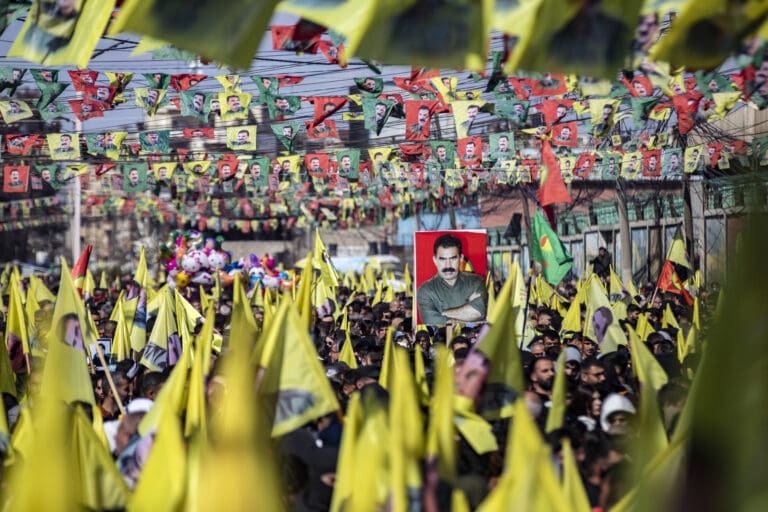
An unprecedented close to decades of insurgency challenges Türkiye to navigate a delicate transition, balancing security, political reform and social reconciliation.
Özge Genç
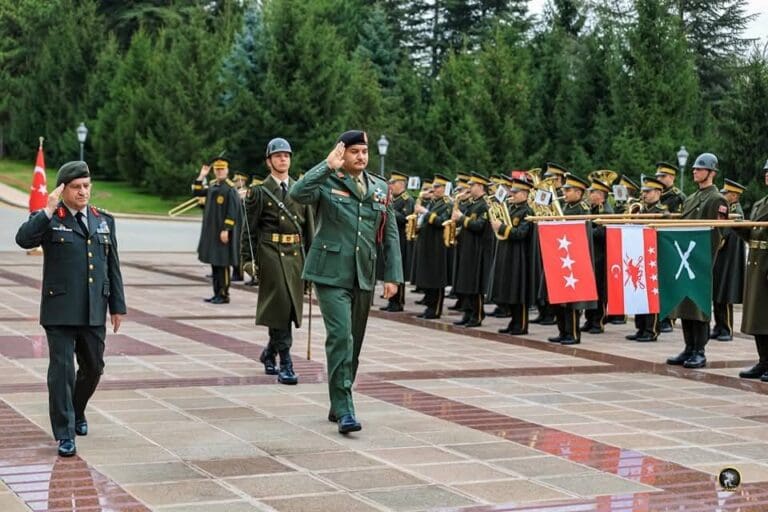
Ankara is strategically expanding its outreach to the Haftar family, adjusting to regional geopolitical shifts and positioning itself as a key mediator.
Ali Bin Musa
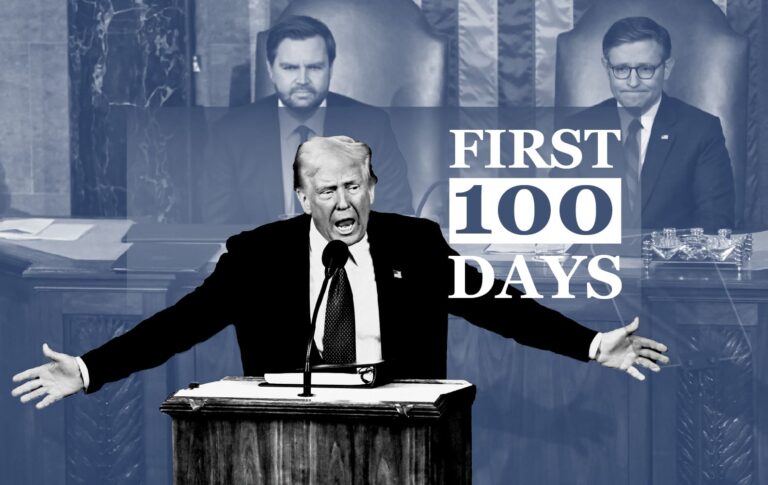
In this Council Views, experts from the ME Council reflect on the past 100 days of the new Trump administration's disruptive foreign policy, unpacking what recent changes mean for MENA and how states are responding—from USAID and State Department cuts, to the U.S.-Iran nuclear talks, to Gulf states’ posturing ahead of the president’s expected visit
Hamidreza Azizi, Mouin Rabbani, Rory Miller, Frédéric Schneider, Haid Haid, Paul Dyer, Dalia Ghanem, Özge Genç, Rashid Al-Mohanadi, Adel Abdel Ghafar, Yahia H. Zoubir, Faozi Al-Goidi, Nader S. Kabbani, Mahjoob Zweiri
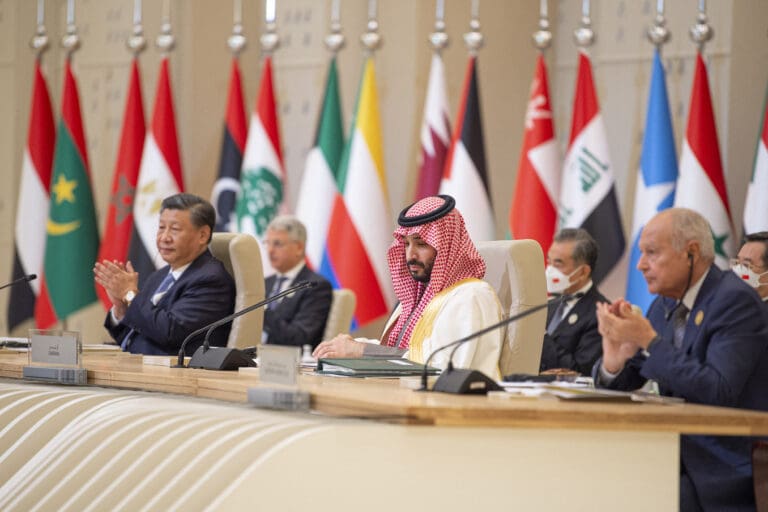
Beijing’s role in regional security remains limited by its own non-interventionist policy, continued U.S. dominance and regional states’ push for strategic autonomy.
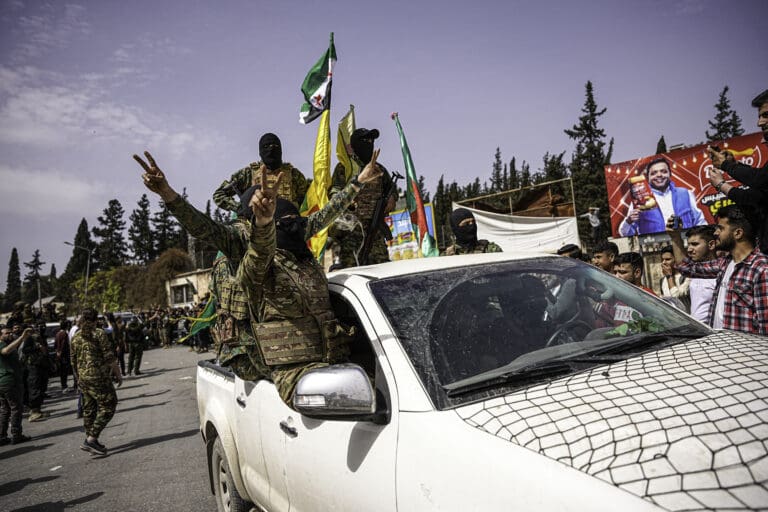
A fragile power-sharing deal in Syria offers a rare opportunity for the interim government to cultivate greater international credibility and work toward a sustainable, equitable peace.
Ranj Alaaldin
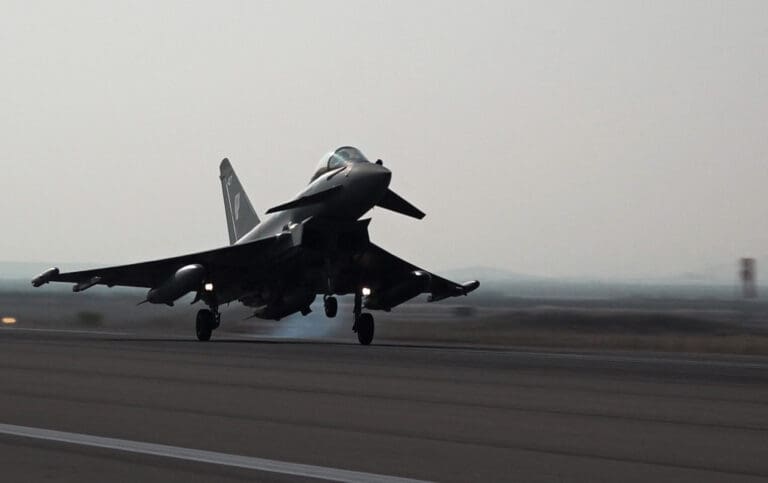
With U.S. commitments to its allies in flux, Europe and Türkiye are recalibrating their defense ties. The proposed Eurofighter deal signals a push toward strategic autonomy and industrial cooperation—if Ankara accepts.