

All Articles
Search by

The Houthis’ growing weapons production and international supply networks call for a reassessment of deterrence and maritime security in the region.
Turki Algoblan
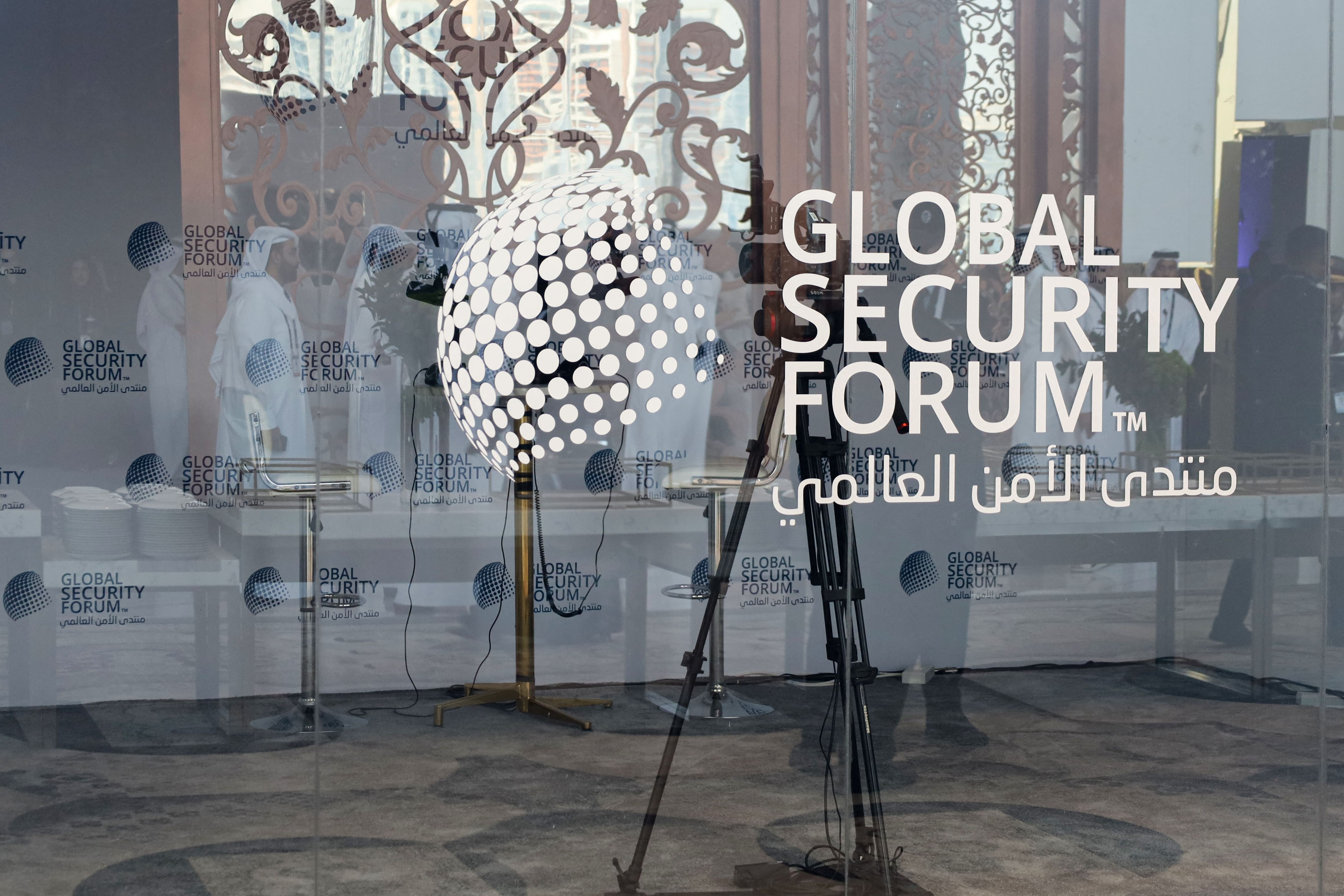
The Global Security Forum in Doha focused on the future of Gulf security. Qatar’s announcement of a shift toward domestic defense production reflected the importance of both power and knowledge in safeguarding sovereignty, consolidating strategic independence and bolstering diplomatic clout.
Khalid Al-Jaber

As African governments demand more from mineral deals, the Gulf has an opening to turn environmental and social performance into a lasting strategic advantage.
Fatima Husain

As Saudi Arabia and the UAE deepen technology ties with South Korea and Japan, the objective should be to move beyond buying and testing foreign technology. Gulf governments should use their capital, industrial demand, and market access to secure a stake in the products they help develop, and the revenues those products generate abroad.
Elliott Ahn

Houthi escalation is testing regional security. Its consequences extend beyond military targets, shipping routes, and national borders to civilian lives—and risk eroding the current rules of engagement.
Khalid Al-Jaber

Negotiations over the Strait of Hormuz are shifting from restoring wartime navigation to establishing long-term governance. Can the Arab Gulf states find a common position—or do they even need to?