

All Articles
Search by
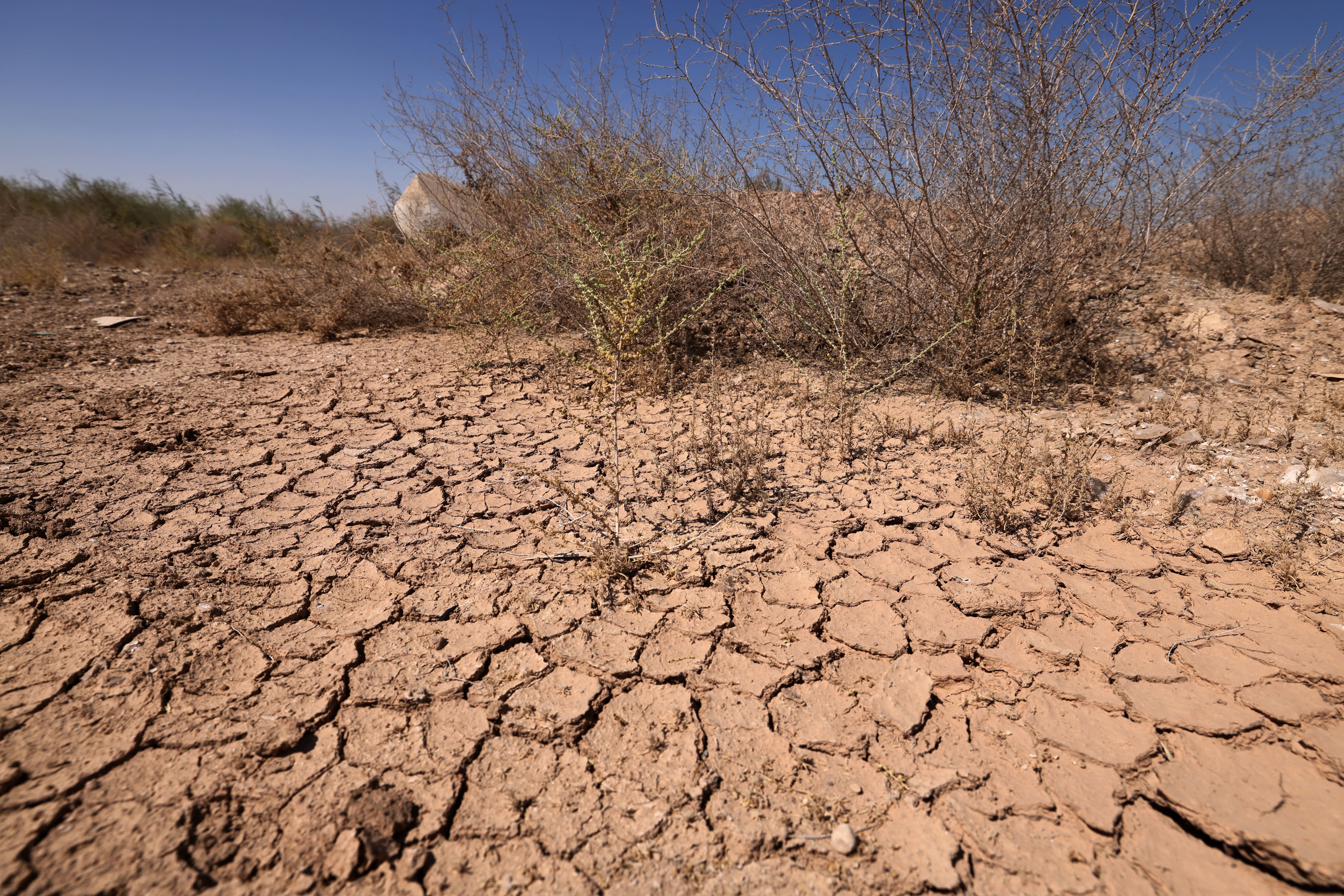
Across the Middle East, the countries most vulnerable to climate change are often the least equipped to secure and deploy climate finance. Closing this capacity gap will require financing institutions and stronger regional support to prioritize vulnerability above all else.
Noor Omer

Washington appears trapped between a desire to withdraw from the Middle East and a persistent need to remain there. Whenever it has attempted to shift its weight toward Asia, the region has put its power and influence to the test.
Khalid Al-Jaber

As diplomacy falters, the Strait of Hormuz is again testing regional security and the global economy. In this turbulent landscape, the Gulf states must balance de-escalation with protecting their vital interests.
Zafer Muhammad Alajmi

A new survey shows that an overwhelming majority of Lebanese citizens are dissatisfied with the country’s confessional political system. Yet the perceived costs and ineffectiveness of mobilizing against it help keep it in place.
Fatimah Saadi, Ibrahim Khatib, Mark Tessler

The challenge facing media in Qatar and around the world goes beyond whether to embrace or reject artificial intelligence and centers on developing a model that integrates digital infrastructure with professional standards.
Faleh Al-Hajeri

Houthi attacks on Saudi Arabia have presented an early test for the joint defense pact signed over the summer. But turning a political declaration into an operational security arrangement may take years of careful development.