Khalid Al-Jaber

Executive Director

Bio

Khalid Al-Jaber is the Executive Director of the Middle East Council on Global Affairs. He is a distinguished scholar and practitioner specializing in political communication and Middle East and North Africa (MENA) affairs. Al Jaber has held prominent leadership positions, including Director of Al-Sharq Studies & Research Center and Editor-in-Chief of The Peninsula, Qatar’s leading English-language daily newspaper.

He also served as an Assistant Professor of Political Communication in the Gulf Studies Program at Qatar University, where he made significant contributions to the academic and policy discourse on regional and international issues.

Al-Jaber’s research focuses on the Gulf and MENA region, with expertise spanning political science, public diplomacy, international communications, and international relations. He is the author and editor of several books and numerous scholarly articles.

He holds a Ph.D. from the University of Leicester, a Master’s degree from the University of West Florida, and postgraduate diplomas from Fordham University, Stanford University, and Georgetown University.

Articles

A review of reactions to the Mecca Joint Defense Agreement—from Arab, Israeli, Iranian, and Western media to leading research centers—reveals that the agreement’s substance, motives, and consequences transcend the scope of conventional defense pacts.
Khalid Al-Jaber
With neither a decisive military victory nor a political settlement in sight, the Middle East is sliding into an open-ended war of attrition that threatens security, trade, energy supplies, and the global economy. 
Khalid Al-Jaber
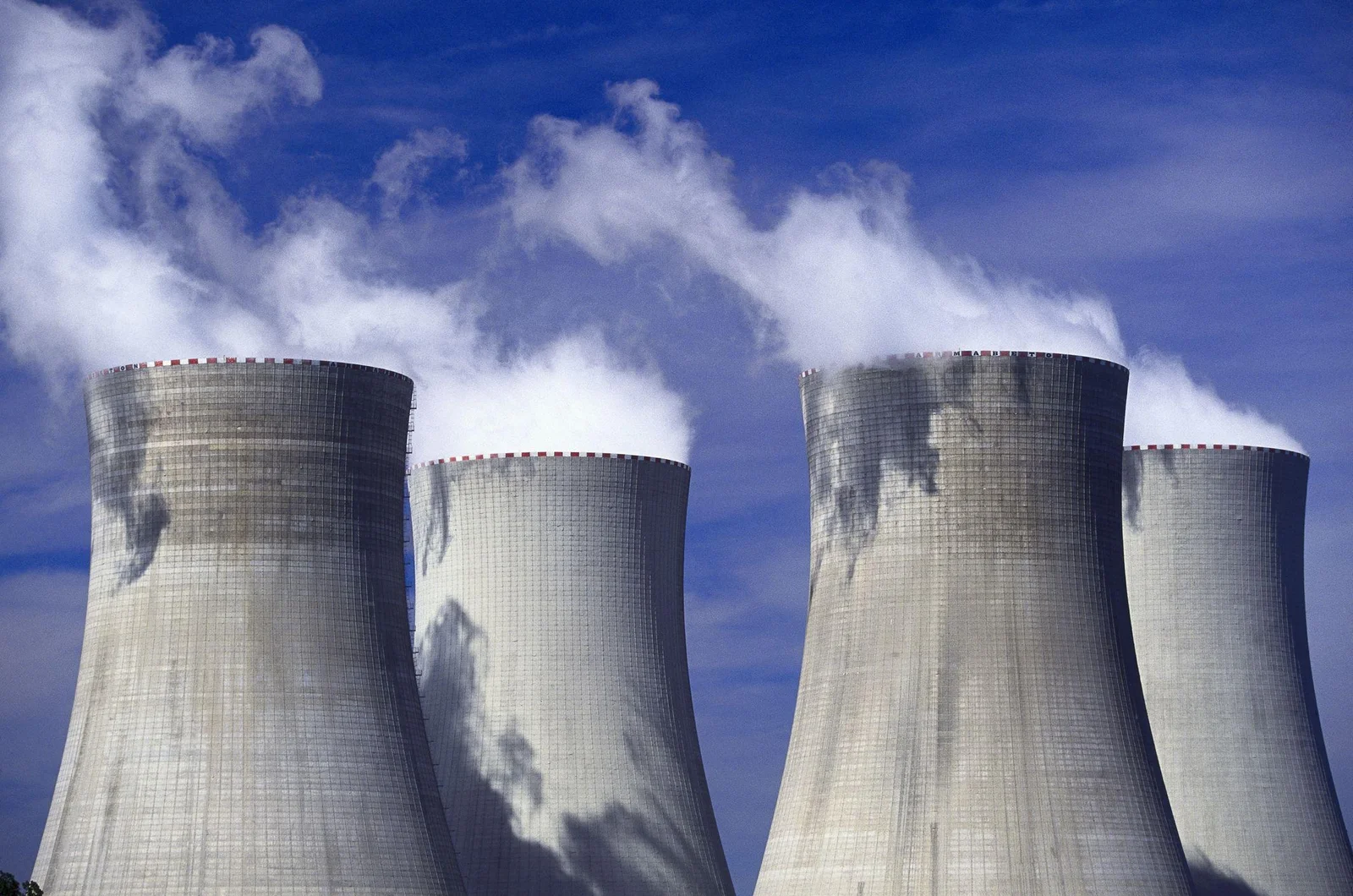
A landmark civilian nuclear cooperation deal between the U.S. and Saudi Arabia represents one of the most significant strategic shifts in the Middle East in years, with implications well beyond the construction of reactors or the transfer of advanced technologies. The agreement could reshape the rules of the nuclear game across the entire region.
Khalid Al-Jaber
Just weeks ago, Washington and Tehran appeared to be nearing a historic moment, as observers predicted a breakthrough between the two sides and the opening of a new chapter in the Gulf. The reality has, once again, proven otherwise.
Khalid Al-Jaber
Oman’s initiative to facilitate safe passage for vessels from the Gulf through the Strait of Hormuz has huge implications in the management of the Hormuz crisis, significantly diminishing Iran’s leverage on the issue in the face of growing strategic alternatives for the Gulf states. 
Khalid Al-Jaber
The region has entered a new phase of de-escalation, marked by an electronic signature that reflects extreme political caution and mutual mistrust.
Khalid Al-Jaber
There is no obvious winner of the Iran war—and with neither side able to impose its will on the other, the Middle East is entering an era of fragile equilibrium.
Khalid Al-Jaber
If the Iranian regime survives the ongoing war, it will rebuild and rearm—and its Arab neighbors will pay the price.
Khalid Al-Jaber
As regional tensions intensify, Gulf states are reconsidering their long-standing security arrangements with Washington and pushing for a relationship that better reflects their interests and strategic autonomy.
Khalid Al-Jaber
Iran’s retaliation following U.S.–Israeli strikes reflects a strategic miscalculation that risks undermining Gulf neutrality and weakening regional mediation efforts, thereby complicating prospects for de-escalation.
Khalid Al-Jaber
In the delicate space between war and dialogue, the role of GCC member states is best understood as one of containment.
Khalid Al-Jaber
Gulf states enjoyed positive relations with Trump the first time around. But a different geopolitical landscape poses new challenges for the relationship.
Khalid Al-Jaber
Throughout the ongoing Gaza war, Qatar has emerged as an outsized power in attempting to reach a peace agreement—and has become a prime target for criticism in the process. 
Khalid Al-Jaber, Ambassador Patrick Theros