

The Mecca Agreement: Towards a New Security Architecture
August 12, 2026
Summary
The Middle East is undergoing a period of significant diplomatic and security realignment, marked by shifting alliances and efforts to de-escalate longstanding conflicts. Amid these changes, regional agreements and initiatives centered on collective deterrence are gaining prominence, most notably the Mecca Pact, which underscores the growing role of Saudi Arabia and the Gulf states in shaping the region’s emerging security architecture. This evolving order is also moving beyond its traditional reliance on major international powers, with regional actors including Saudi Arabia, Türkiye, and Pakistan playing a more prominent role in promoting stability through diplomatic coordination and economic cooperation rather than military escalation.
Against this backdrop, the Middle East Council on Global Affairs convened an online panel discussion to examine the geopolitical changes reshaping the region and assess the roles of regional and international actors in the emerging security order. The discussion addressed a number of key questions: What are the main drivers and considerations behind the Mecca Pact? Have regional relations moved from a period of escalation toward a more sustained phase of de-escalation? How should the roles of major regional powers in shaping the emerging security order be assessed? What are the potential vulnerabilities of current agreements, and what challenges could undermine their sustainability? To what extent is the region witnessing a decline in direct U.S. involvement alongside a growing Chinese and Russian role? And what future scenarios might emerge for the geopolitical and economic balance of power in the Middle East?
Moderator
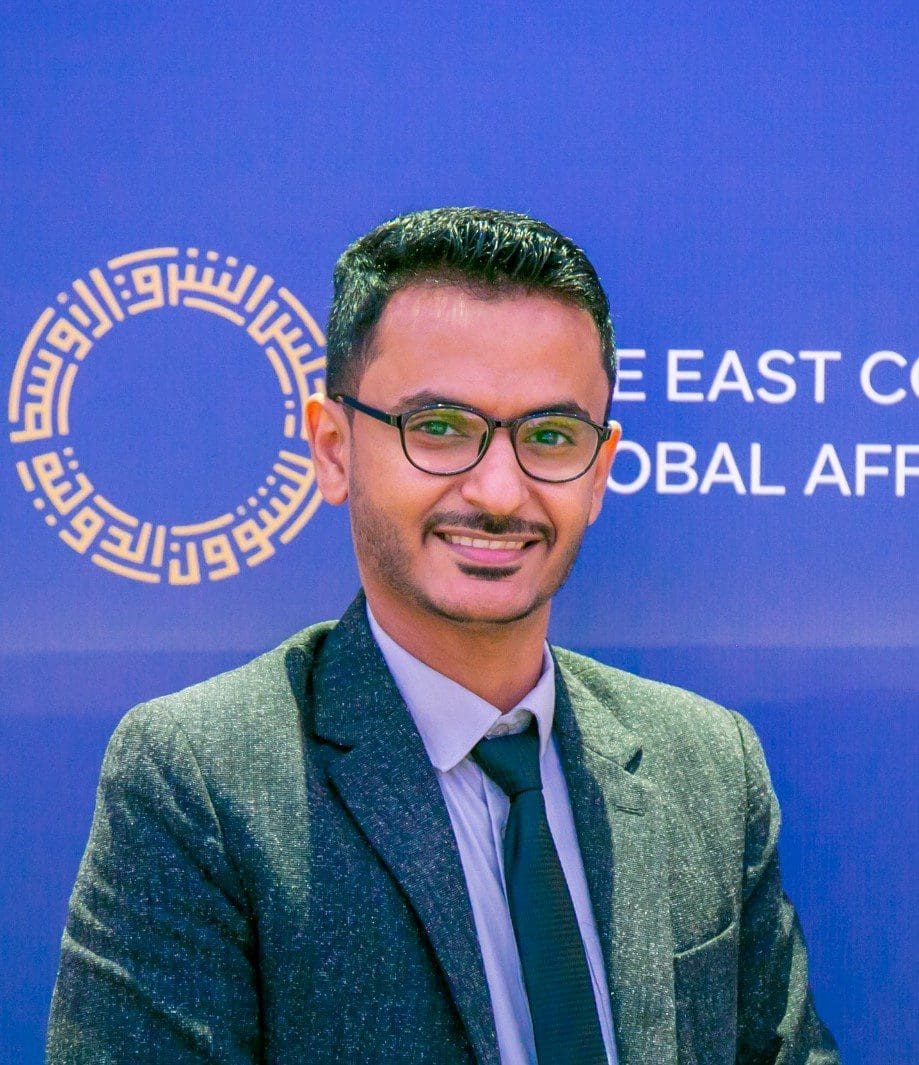
Visiting Fellow
Speakers

Liqaa Makki
Senior Researcher, Al Jazeera Centre for Studies

Aziz Alghashian
Senior Non-Resident Fellow, Gulf International Forum
