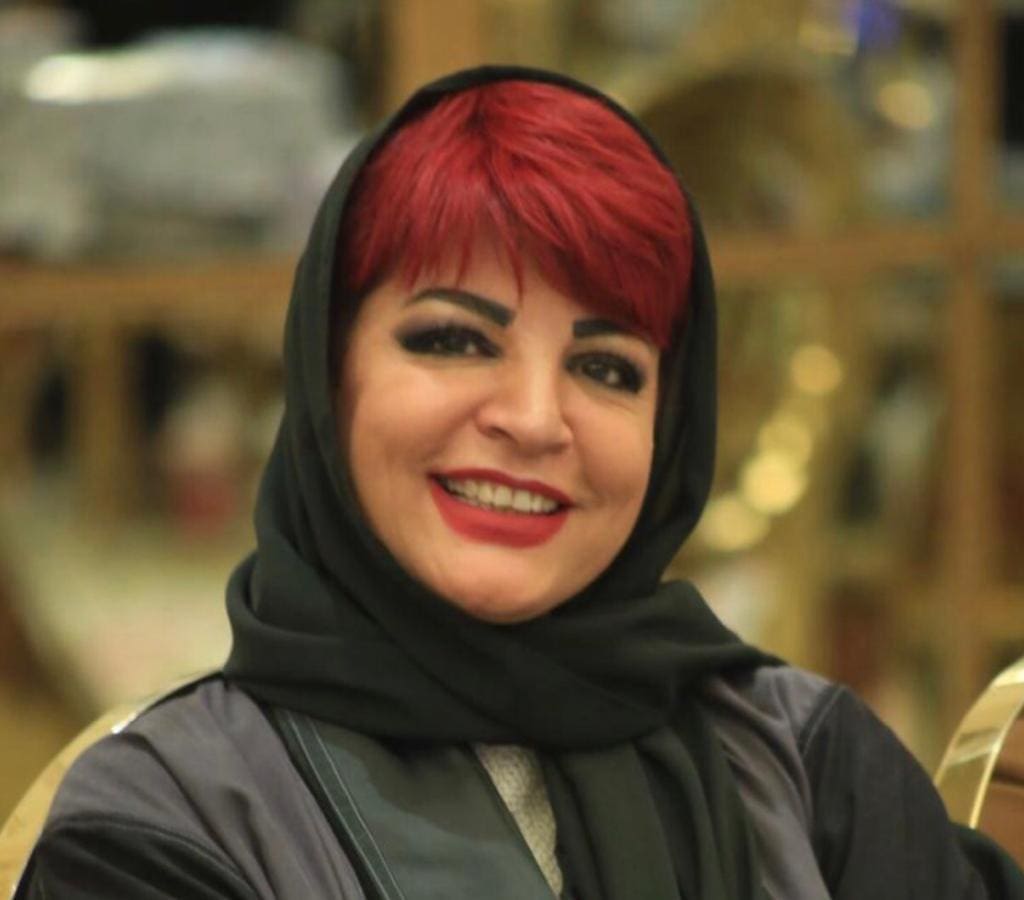

From Orientalism to “Khaleeji-ism”: Transformations in Epistemic Consciousness
April 21, 2026
Summary
The concept of “Khaleeji-ism” (Al-Istikhlaaj) emerges amid the Gulf’s rapid transformation, raising questions about how knowledge about the region is produced and legitimized. It engages debates on epistemic power, asking whether Gulf-centered narratives challenge global hierarchies or reproduce them through alternative forms. While it appears as a localized critique of external representations shaped by Orientalism, it also reflects internal dynamics of cultural production, state influence, and market-driven storytelling. As such, “Khaleeji-ism” occupies an ambiguous position—both contesting and potentially rearticulating dominant modes of knowledge—complicating the legacy of Edward Said, whose work critiqued external representations but did not anticipate new forms of self-representation shaped by emerging centers of power.
In this context, the Middle East Council on Global Affairs hosted a panel examining the implications of “Khaleeji-ism.” The discussion focused on whether the concept represents a reconfiguration of epistemic hegemony or requires new theoretical frameworks, and how it intersects with or departs from the assumptions of “Orientalism.” Panelists also considered who shapes knowledge production about the Gulf and how contemporary Arabic literature reinforces or challenges dominant narratives, opening space for alternative forms of storytelling. More broadly, the conversation questioned the adequacy of existing Western methodologies and the need for locally grounded, interdisciplinary approaches. Finally, it explored how ongoing economic and social transformations in the Gulf are reshaping “Khaleeji-ism” and enabling more self-defined forms of knowledge production.
Moderator

Visiting Junior Fellow
Speakers
Ibrahim Al-Mleifi
Editor-in-Chief, Al-Arabi Magazine

Salam Musafir
Iraqi writer and journalist
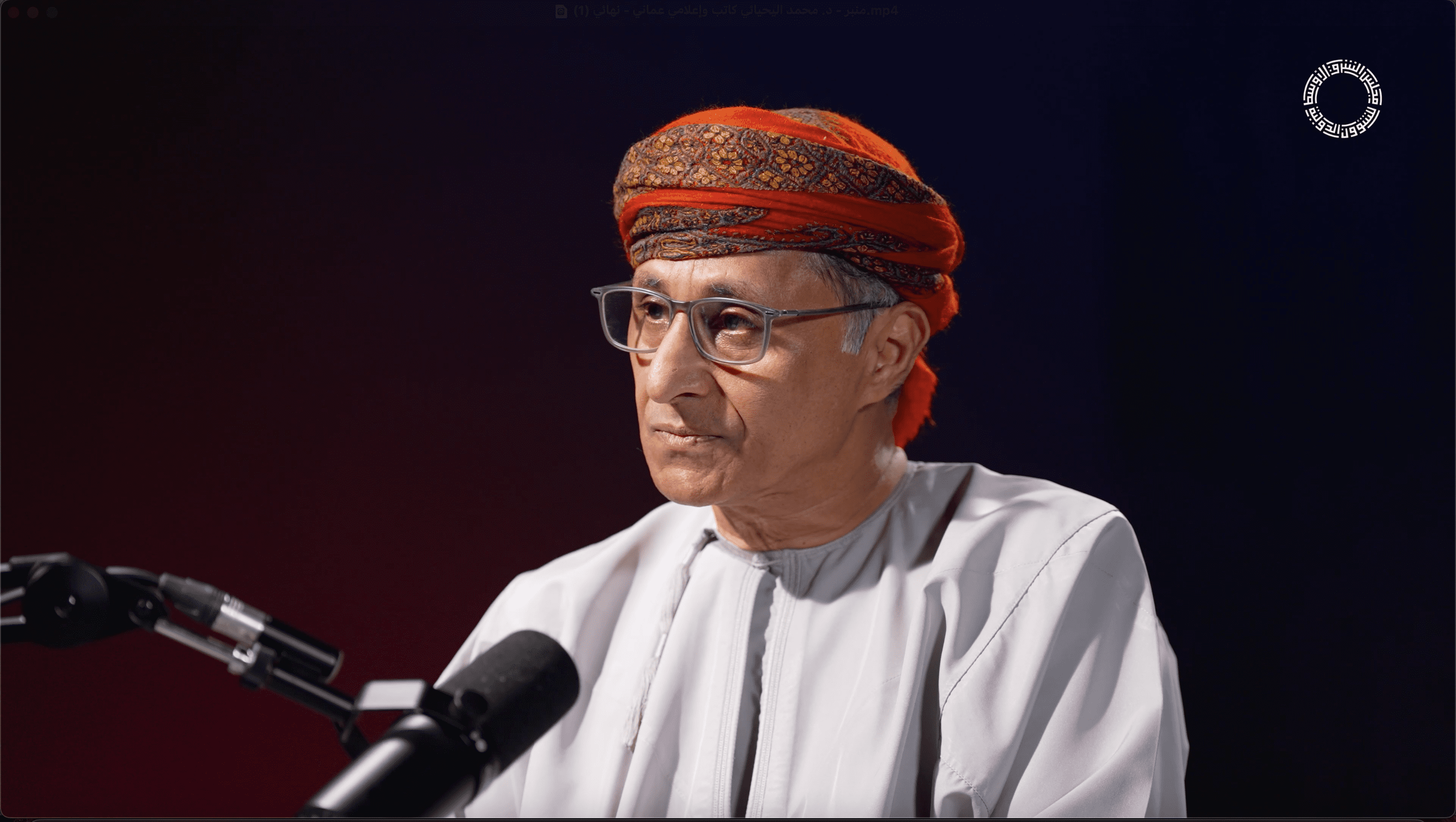
Mohammed Al-Yahyai
Omani writer and journalist