
Battle of Narratives: Media and Public Opinion in War
March 18, 2026
Summary
In contemporary conflicts, warfare extends far beyond military confrontation to include an intense struggle over narratives and public opinion. As tensions and hostilities continue between Iran, Israel, and the United States, competing actors increasingly deploy media as a strategic tool to mobilize support and influence perceptions of both domestic and international audiences. State media, digital platforms, and networks of online supporters operate alongside traditional diplomatic and military strategies to amplify narratives that justify actions, delegitimize opponents, and frame the meaning of unfolding events. In this context, the information space has become a critical arena of conflict, where competing interpretations of events circulate rapidly and shape how wars are understood around the world.
Against this backdrop, the Middle East Council on Global Affairs hosted a panel discussion examining the evolving role of media in shaping public opinion during wartime. The discussion explored key questions, including: how do competing actors construct and disseminate narratives during conflict? How are regional and international media outlets framing the ongoing tensions, and how do these narratives reflect differing political interests? What role do social media platforms, digital activists, and citizen journalists play in challenging or reinforcing official narratives? And how are disinformation campaigns and online propaganda influencing public perceptions of war across the region and beyond?
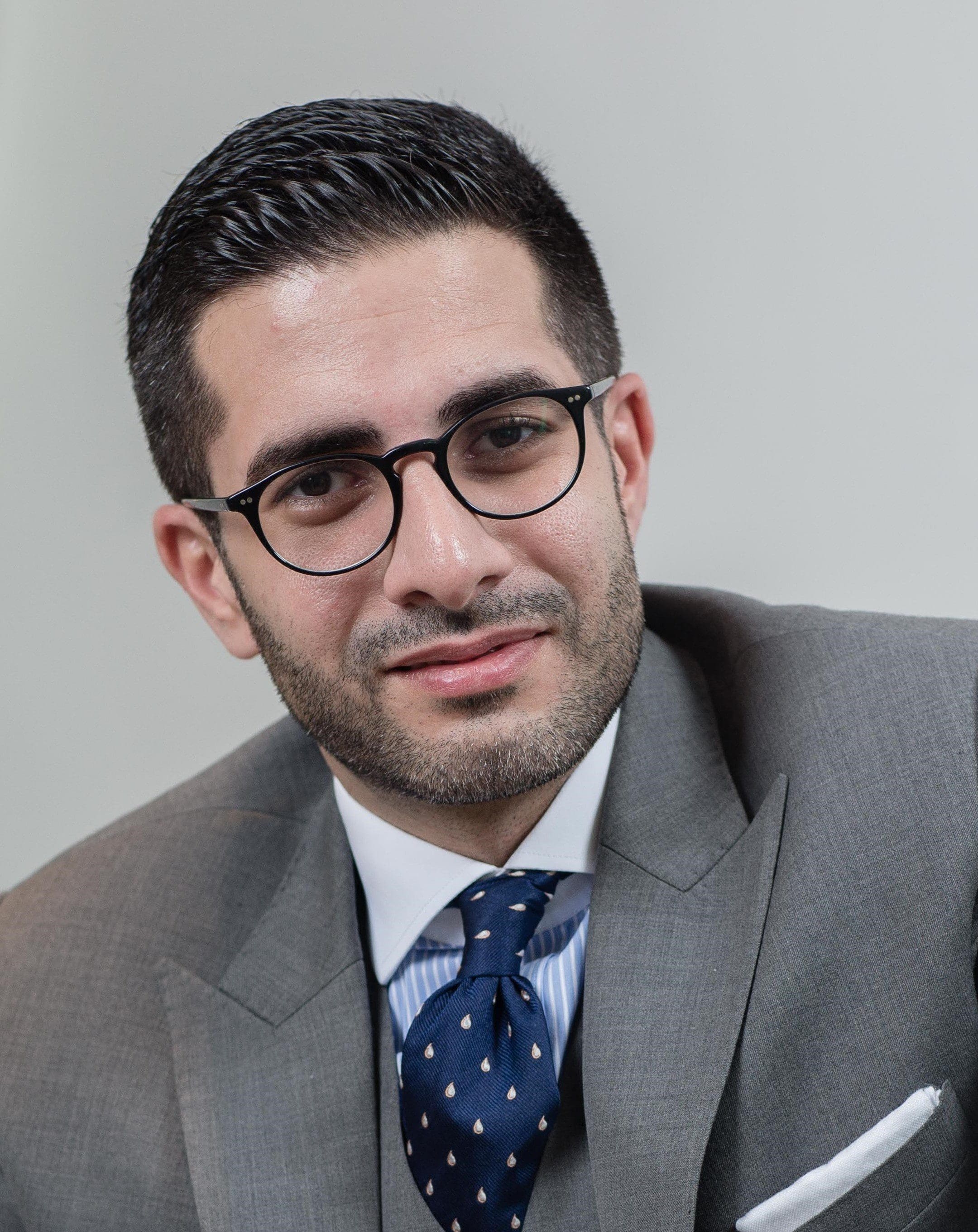
Moderator
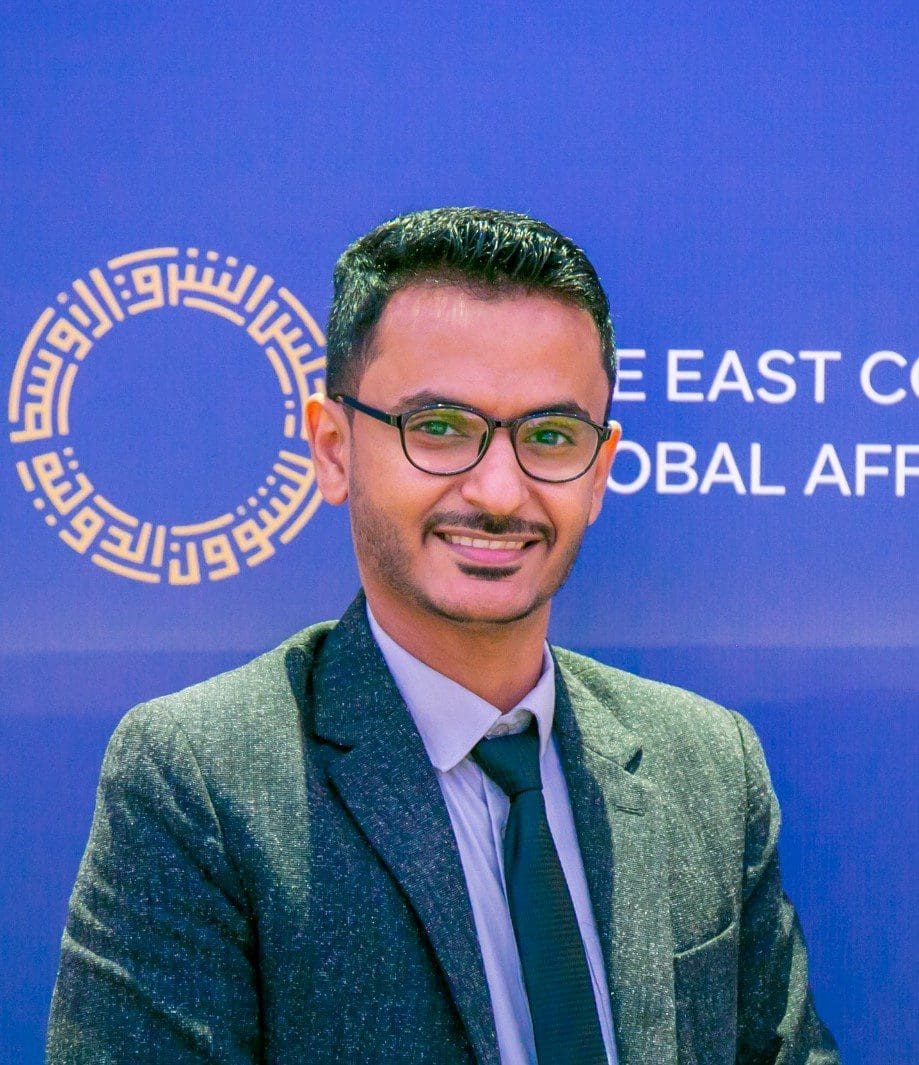
Visiting Fellow
Speakers

Dahham Al-Qahtani
Kuwaiti Journalist and Political Analyst

Khalid Faraj Al-Khanji
Qatari researcher and academic