

Publications
search by
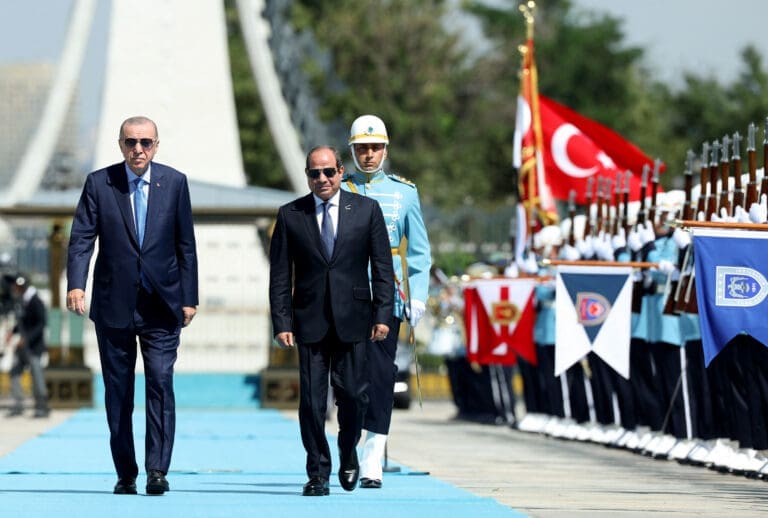
In February 2024, President Recep Tayyip Erdoğan visited Egypt for the first time since 2012, effectively ending more than a decade of political and diplomatic rupture between Egypt and Türkiye.
learn more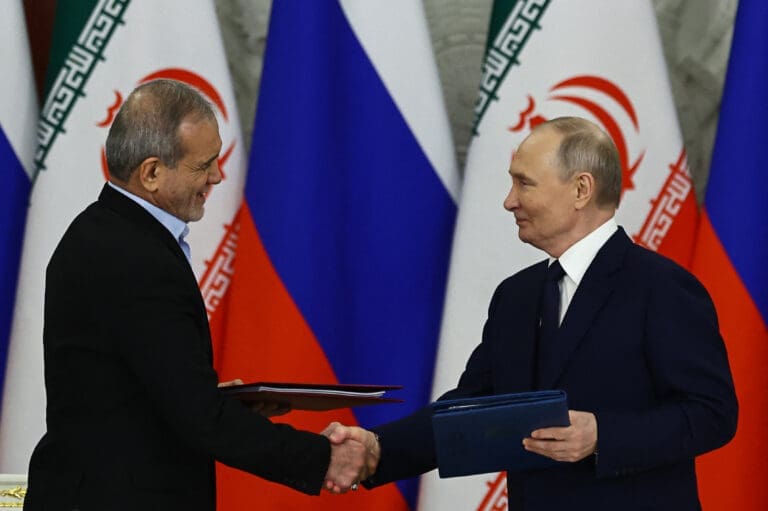
On January 17, 2025, Russian President Vladimir Putin and Iranian President Masoud Pezeshkian signed a Comprehensive Strategic Partnership Treaty in Moscow. The agreement is aimed at strengthening bilateral relations over the next 20 years. Reportedly delayed by the death of Pezeshkian’s predecessor Ebrahim Raisi in May 2024 and disagreements over details, the treaty came at a time of heightened geopolitical tensions for both countries and was hailed by officials in Tehran and Moscow as a sign of deepening strategic alignment.
learn more
The 12-day war between Israel and Iran in June 2025 sent shockwaves through the Gulf, not for its immediate economic damage, but for what it revealed: the fragility of the Gulf’s security assumptions, the limits of U.S. protection, and the looming threat to vital trade routes. While oil prices and markets quickly rebounded, the psychological and strategic consequences have left Gulf states grappling with new uncertainties. This analysis explores the conflict’s economic aftermath and what it means for the future of GCC resilience, defense, and diplomacy.
learn more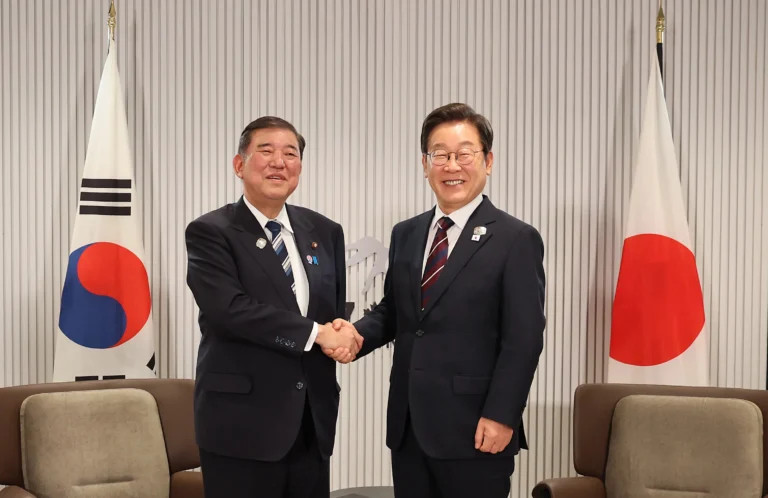
As geopolitical competition intensifies and energy security remains paramount, Japan and South Korea are recalibrating their roles in the Middle East. Despite a long-standing economic and strategic rivalry, both countries—key East Asian middle powers—now face a shared imperative: to cooperate on issues ranging from maritime security and defense diplomacy to renewable energy and Gaza reconstruction. This policy paper explores how Tokyo and Seoul can balance competition with pragmatic collaboration to advance mutual interests and contribute to regional stability.
learn more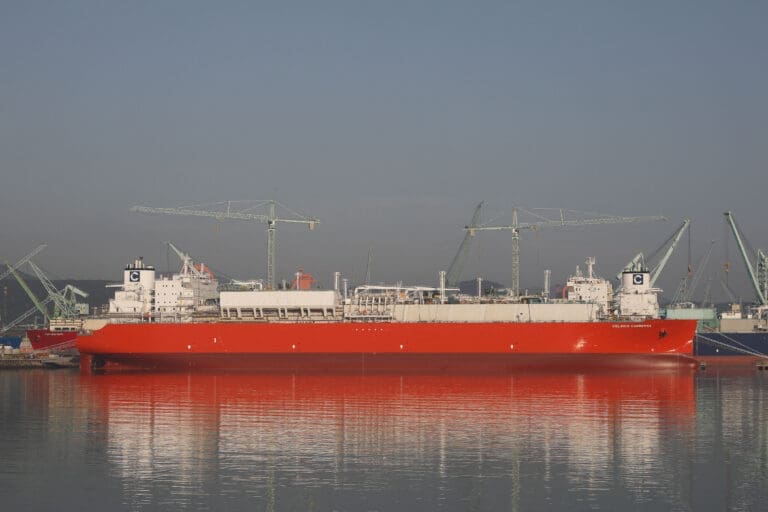
Tariffs are pushing East Asian LNG customers toward the U.S.: The industrial impacts of Trump’s tariffs, alongside intense political pressures, are pushing major energy importers such as China, India, Japan and South Korea to purchase American—rather than Gulf—LNG, to narrow trade imbalances with the U.S.
learn more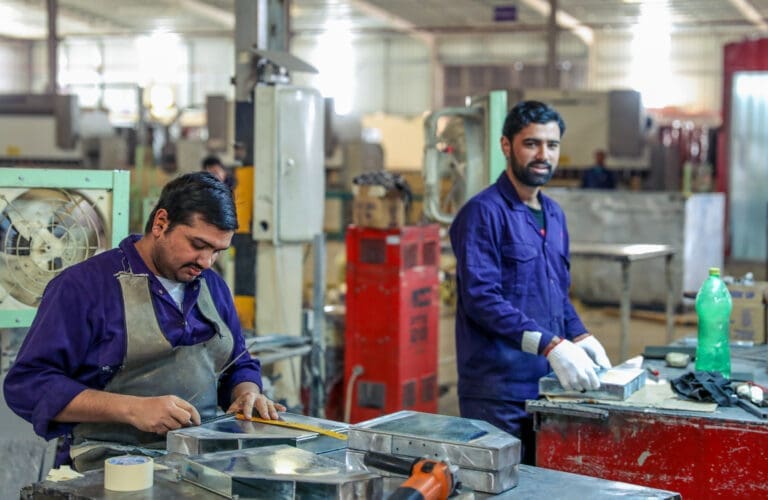
As the Arab Gulf states transition away from reliance on hydrocarbons and seek to diversify their economies, governments are fostering industries that complement the oil sector, like mid- and downstream industries, logistics and increasingly, sectors less related to hydrocarbons, like tourism and finance. This pivot is underpinned by a digital transformation.
learn more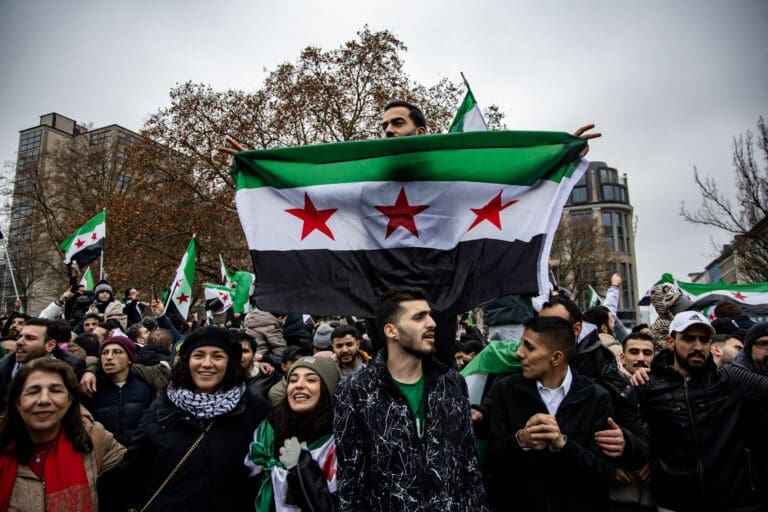
Dramatic shifts in the geopolitical landscape have placed Syria and Lebanon at a crossroads. As regional and international actors recalibrate their engagement in the Levant, the dynamics of peacebuilding and state recovery are shifting rapidly. Gulf countries, particularly Saudi Arabia and Qatar, are emerging as key players in war-torn Syria’s reconstruction, moving from proxy politics toward modes of influence driven by development.
learn more
subscribe
to our newsletters
subscribe