
Publications
search by
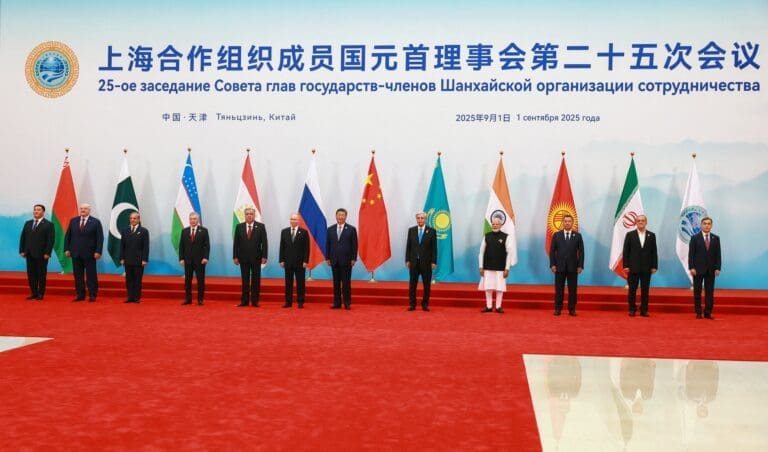
Iran is facing intensifying pressures on the international stage. In June of 2025, Israel and the United States launched a military assault on the Islamic Republic’s nuclear program, even as talks on the program were underway between Tehran and Washington.
learn more
The GCC maritime security strategy centers on strengthening naval capabilities, integrating AI-driven port technologies, and expanding partnerships to protect vital shipping routes. By combining fleet modernization with advanced surveillance systems and diversified global cooperation, Gulf states are building a more resilient and strategically agile maritime posture.
learn more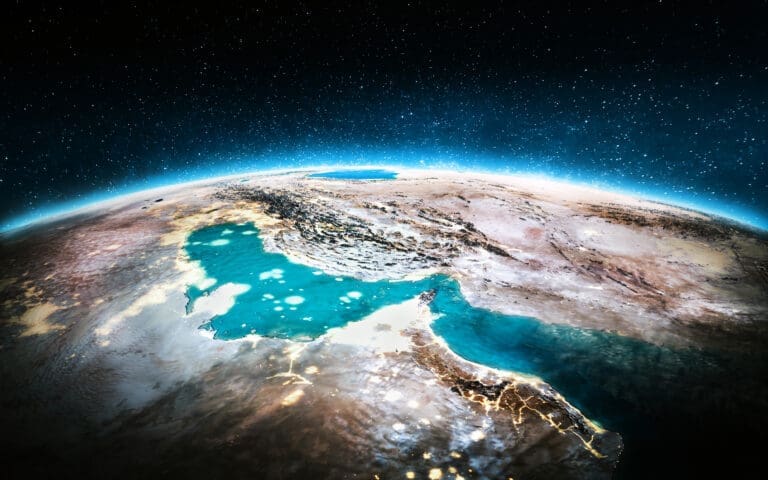
This policy note examines how Gulf states can transition from traditional security dependence to a diversified, proactive strategy shaping the post-war regional and global order.
learn more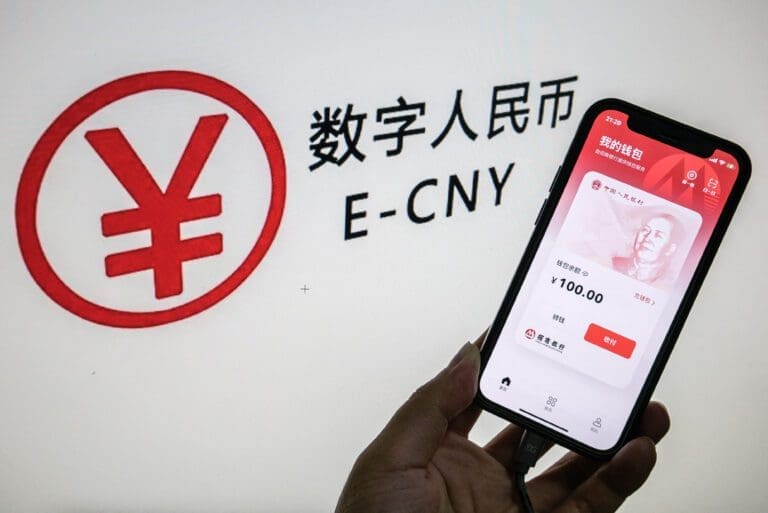
Central Bank Digital Currencies (CBDCs) issued by the Gulf countries, and their competition with digital dollar, digital yuan, and other digital currencies.
learn more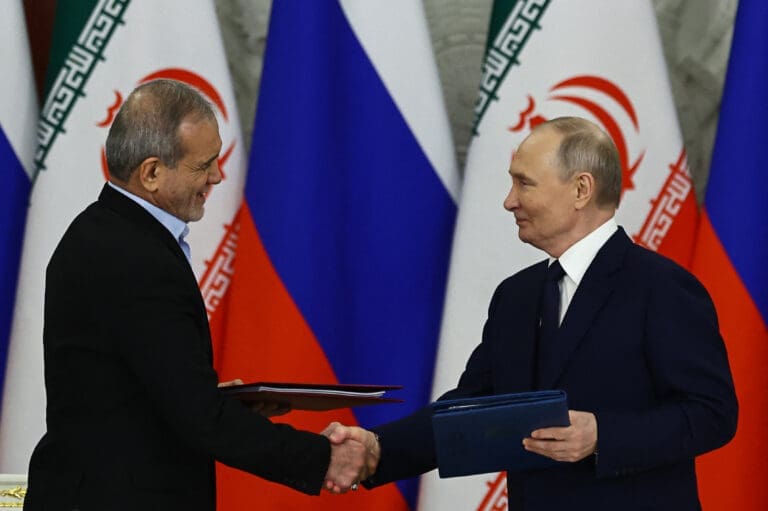
On January 17, 2025, Russian President Vladimir Putin and Iranian President Masoud Pezeshkian signed a Comprehensive Strategic Partnership Treaty in Moscow. The agreement is aimed at strengthening bilateral relations over the next 20 years. Reportedly delayed by the death of Pezeshkian’s predecessor Ebrahim Raisi in May 2024 and disagreements over details, the treaty came at a time of heightened geopolitical tensions for both countries and was hailed by officials in Tehran and Moscow as a sign of deepening strategic alignment.
learn more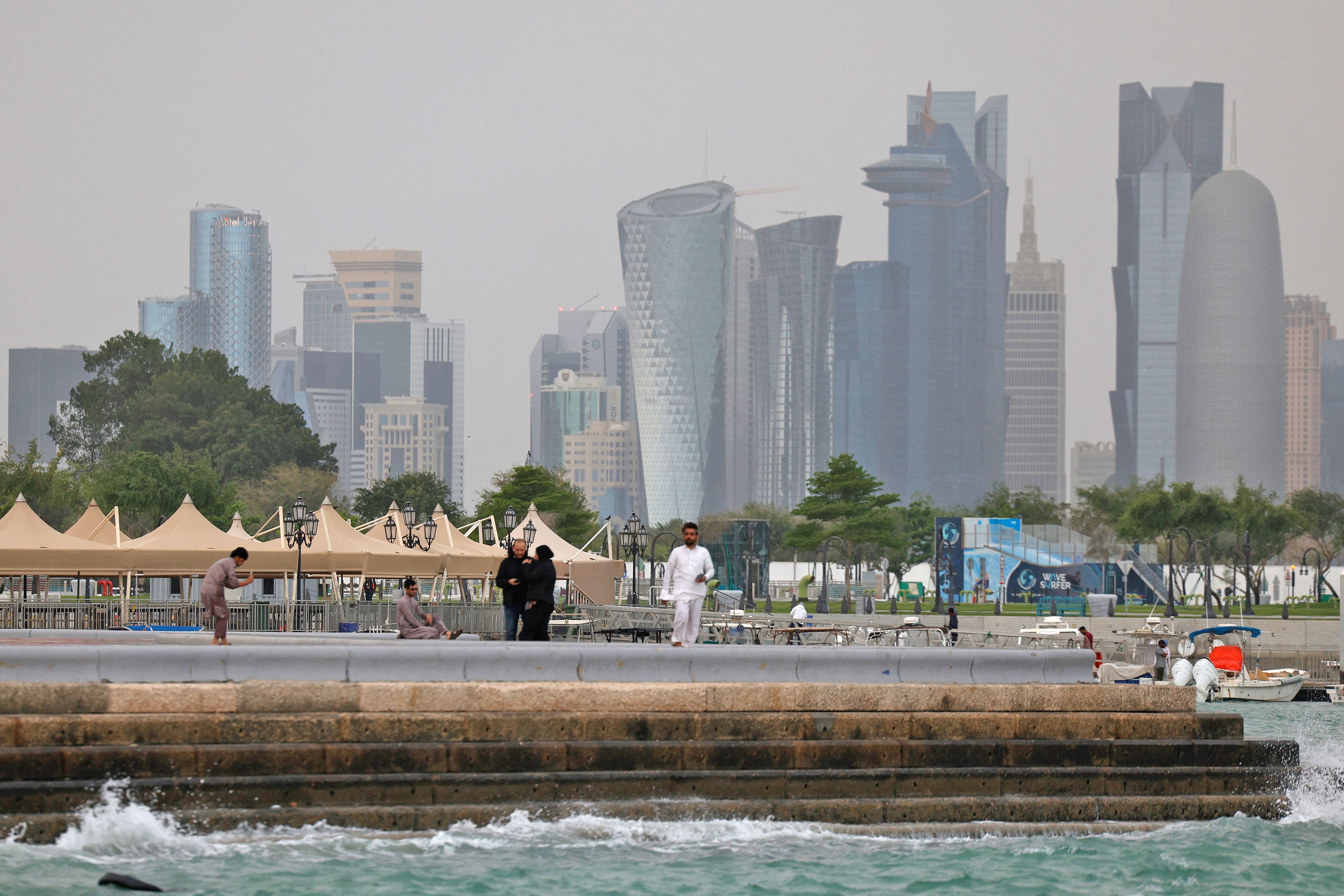
More than just the latest episode in a familiar cycle, the February 28, U.S.-Israeli airstrikes against Iran are a structural rupture for the Gulf, a moment after which the region’s security assumptions cannot simply be reassembled. Qatar had tirelessly but fruitlessly lobbied against renewed escalation. But within 48 hours of the first strikes, Iran had retaliated across all six Gulf Cooperation Council (GCC) states, and Qatar, home to the United States’ largest regional military installation and the world’s foremost liquefied natural gas (LNG) export complex, absorbed strikes that were, by design, both symbolic and structural.
learn more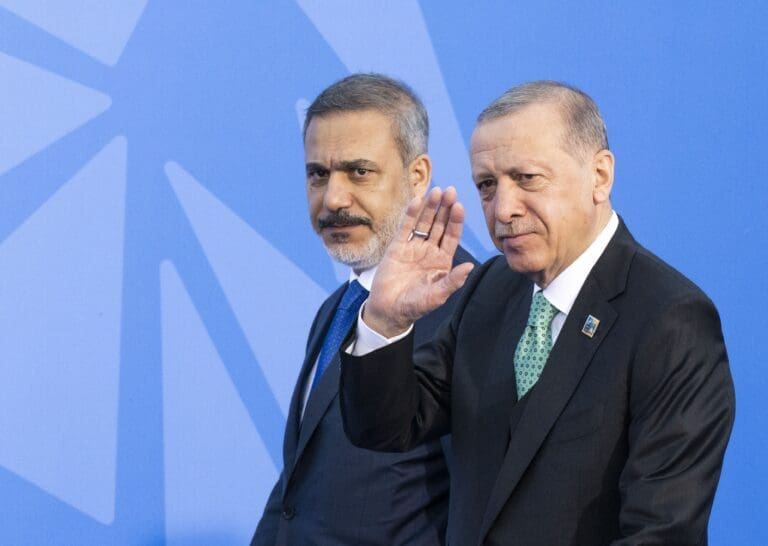
This issue brief argues that Türkiye’s quest for autonomy and status in international affairs, which has long characterized its foreign policy, is set to continue amidst these shifting dynamics.
learn more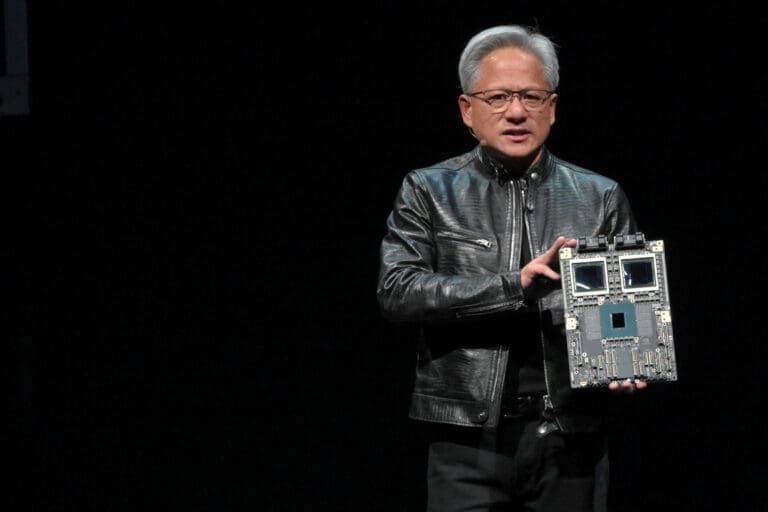
This issue brief investigates the rapid development of AI in the Gulf amid the intensifying U.S.-China tech war.
learn more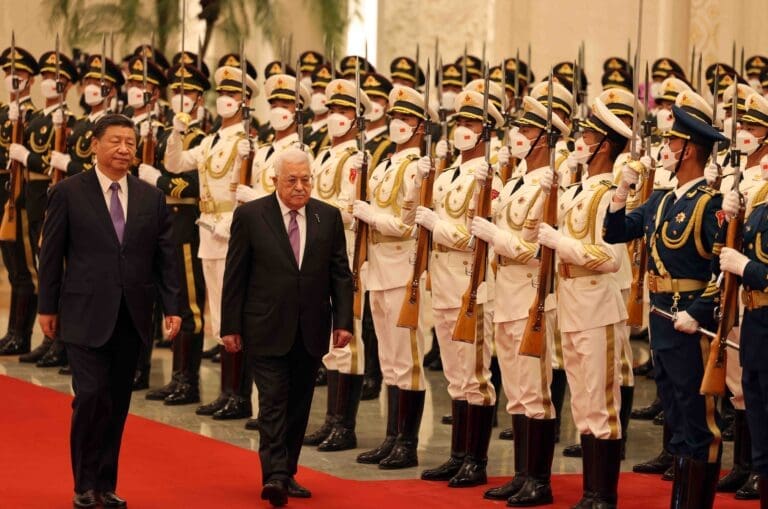
Since October 7, 2023, China has responded to the unfolding crisis in the Middle East by supporting multilateral efforts to bring an immediate end to the violence in Gaza and contain a wider regional conflagration.
learn more

subscribe
to our newsletters
subscribe