

Publications
search by
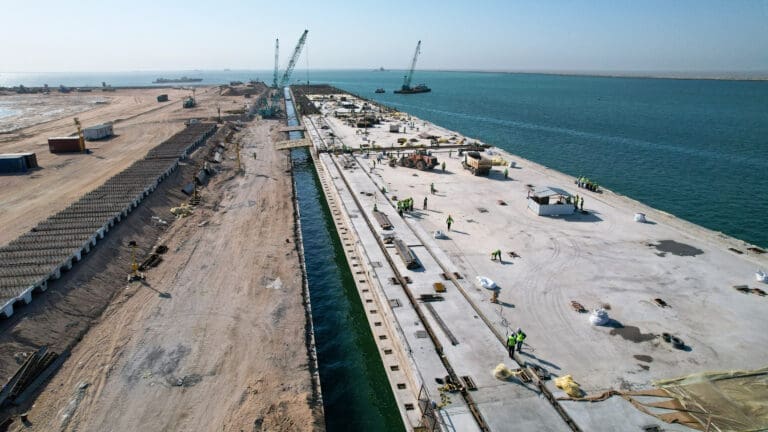
Iraq’s Development Road Project constitutes a bold and much-needed initiative for a country that has been plagued by decades of civil war, ethnic and religious conflict, and geopolitical tensions. The $17 billion Development Road Project (hereafter referred to as Development Road or the Project) aims to transform Iraq into a transport hub by connecting its southern hinterlands to the Turkish border in the north,1 and act as a major driver of economic prosperity in both Iraq and the wider region.
learn more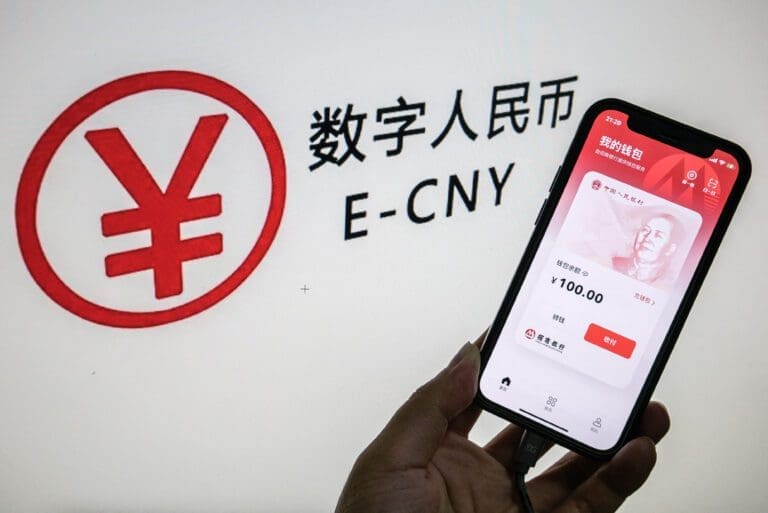
Central Bank Digital Currencies (CBDCs) issued by the Gulf countries, and their competition with digital dollar, digital yuan, and other digital currencies.
learn more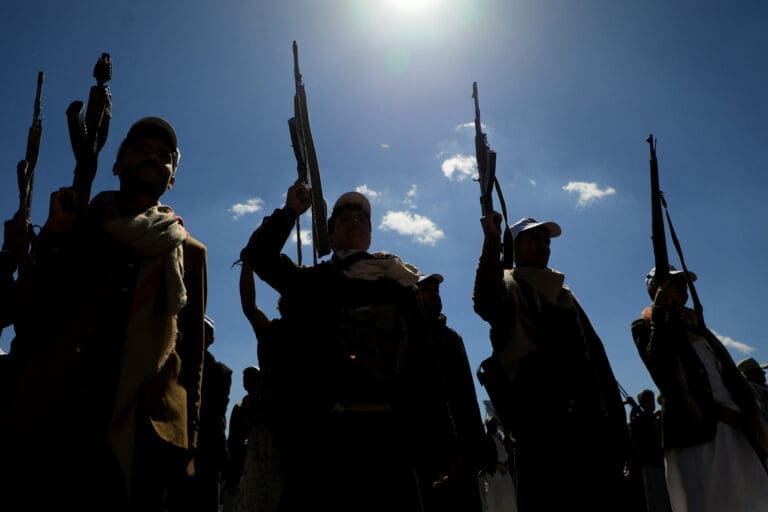
This issue brief examines the underlying challenges facing peacebuilding processes in the Middle East and the limitations of excluding non-state actors in these processes. This issue brief examines the underlying challenges facing peacebuilding processes in the Middle East and the limitations of excluding non-state actors in these processes.
learn more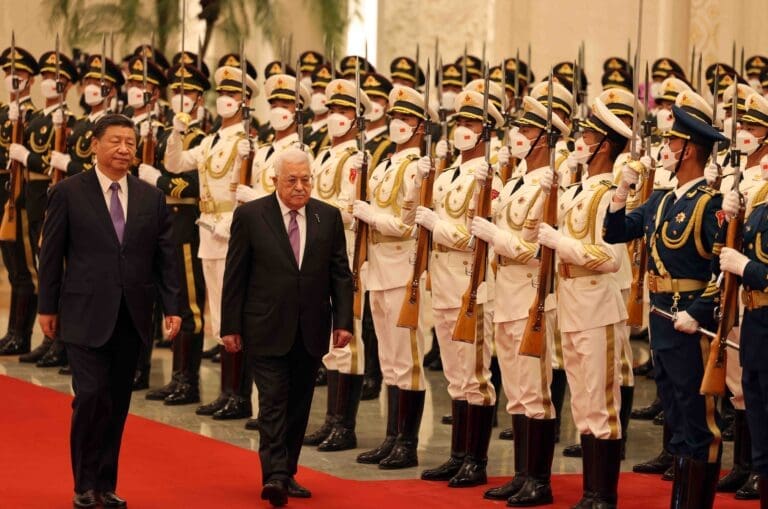
Since October 7, 2023, China has responded to the unfolding crisis in the Middle East by supporting multilateral efforts to bring an immediate end to the violence in Gaza and contain a wider regional conflagration.
learn more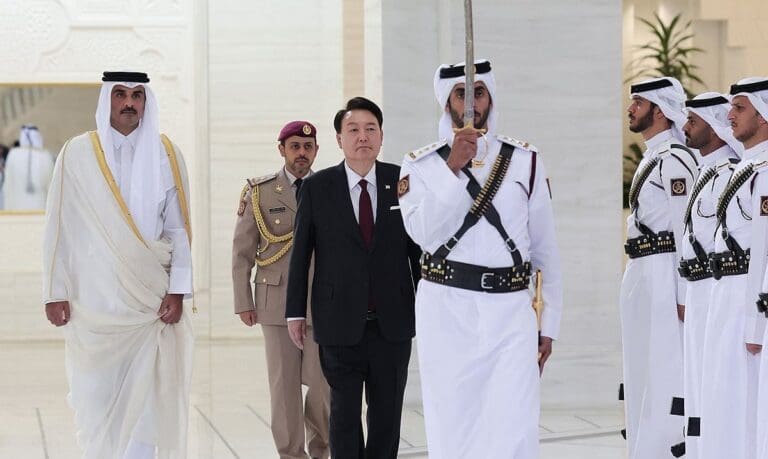
The Trump administration increasingly views its foreign policy through a mercantilist lens, exerting pressure on long-term allies to buy more American products and services and invest in the United States. As part of the administration’s efforts to reduce its trade imbalances, Washington is stepping up pressure on allies and partners, such as the Republic of Korea (ROK), to purchase American liquefied natural gas (LNG) and invest in U.S. LNG projects
learn more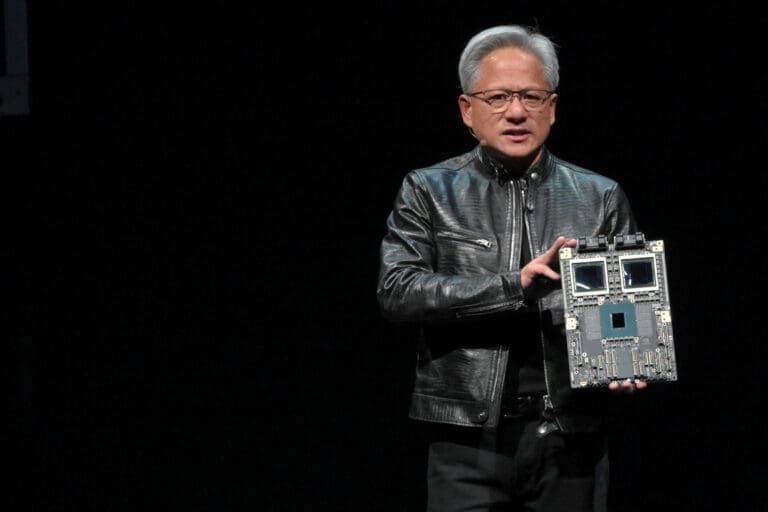
This issue brief investigates the rapid development of AI in the Gulf amid the intensifying U.S.-China tech war.
learn more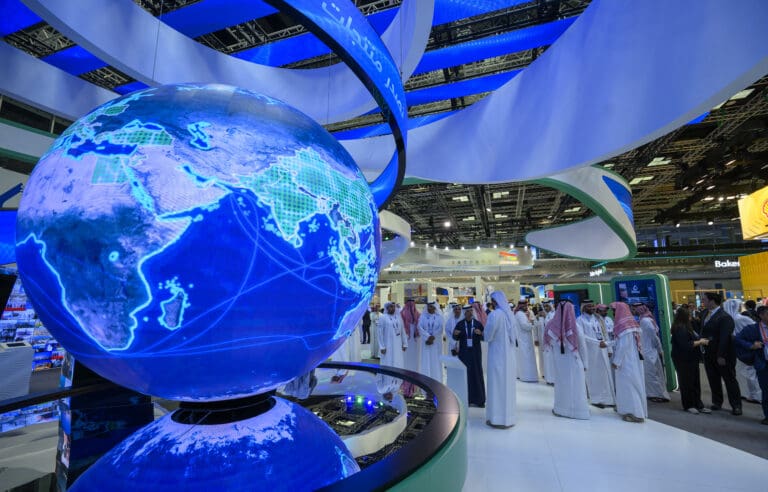
This policy note argues that the Gulf’s bid to recast hydrocarbons as engines of climate-linked industrial growth will falter without a regionally harmonized, legally enforceable climate governance framework.
learn more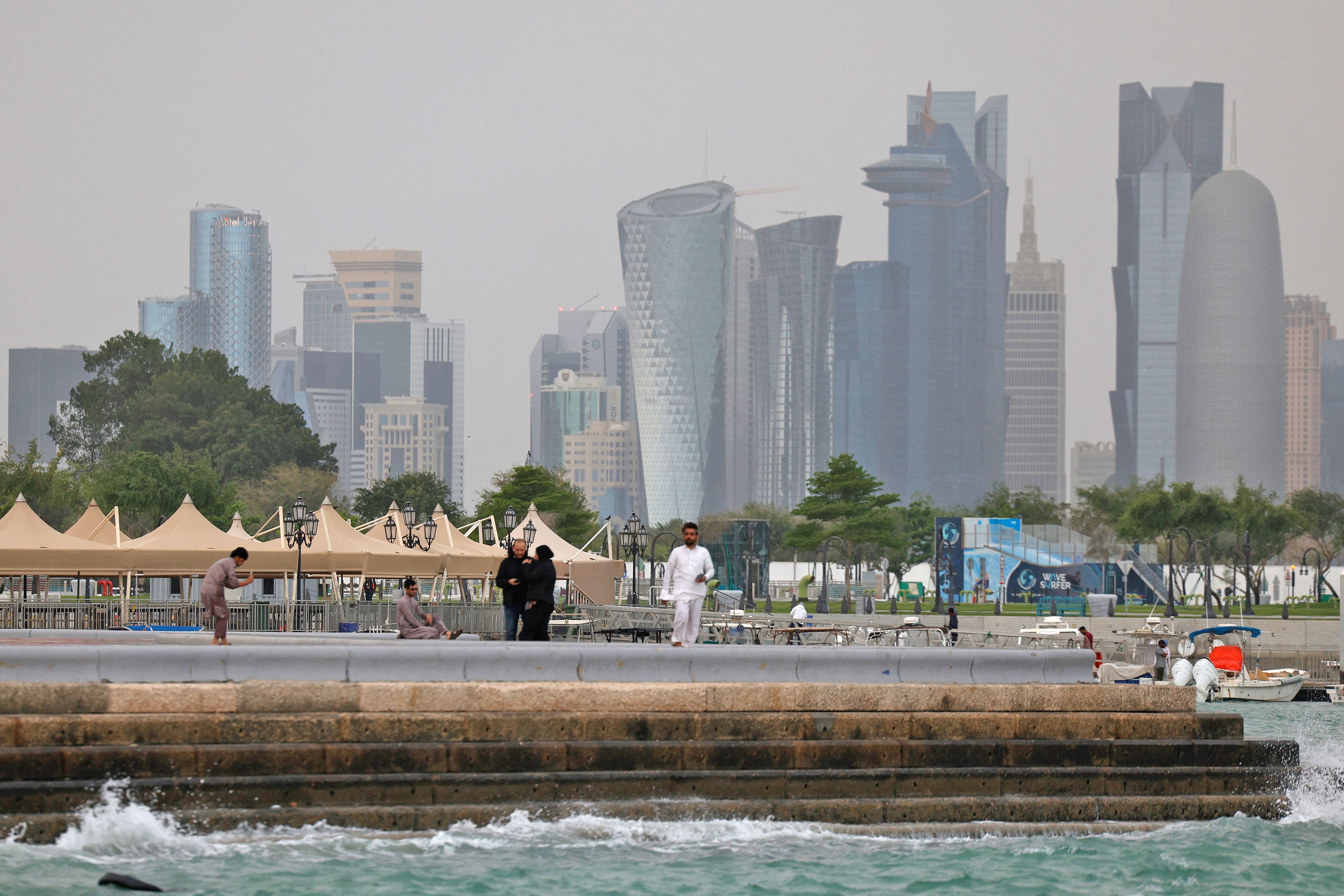
More than just the latest episode in a familiar cycle, the February 28, U.S.-Israeli airstrikes against Iran are a structural rupture for the Gulf, a moment after which the region’s security assumptions cannot simply be reassembled. Qatar had tirelessly but fruitlessly lobbied against renewed escalation. But within 48 hours of the first strikes, Iran had retaliated across all six Gulf Cooperation Council (GCC) states, and Qatar, home to the United States’ largest regional military installation and the world’s foremost liquefied natural gas (LNG) export complex, absorbed strikes that were, by design, both symbolic and structural.
learn more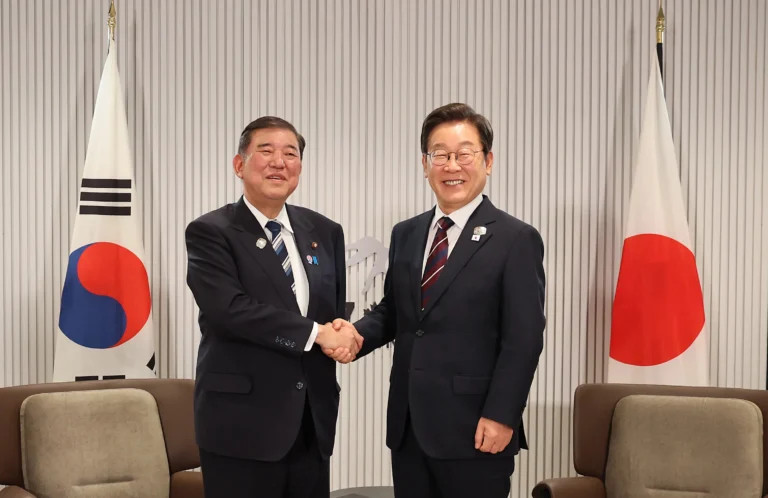
As geopolitical competition intensifies and energy security remains paramount, Japan and South Korea are recalibrating their roles in the Middle East. Despite a long-standing economic and strategic rivalry, both countries—key East Asian middle powers—now face a shared imperative: to cooperate on issues ranging from maritime security and defense diplomacy to renewable energy and Gaza reconstruction. This policy paper explores how Tokyo and Seoul can balance competition with pragmatic collaboration to advance mutual interests and contribute to regional stability.
learn more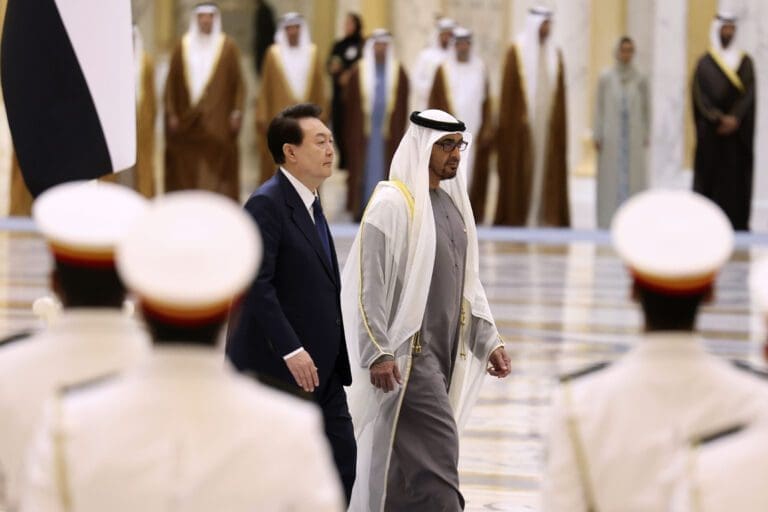
Over the past few years, Asian powers have strengthened their economic, political, and security relations with countries across the Middle East and North Africa (MENA). While much attention has been given to China’s growing role, another Asian power has been working diligently and consistently to expand its own footprint across the region, notably in the Gulf: South Korea.
learn more

subscribe
to our newsletters
subscribe