

Publications
search by
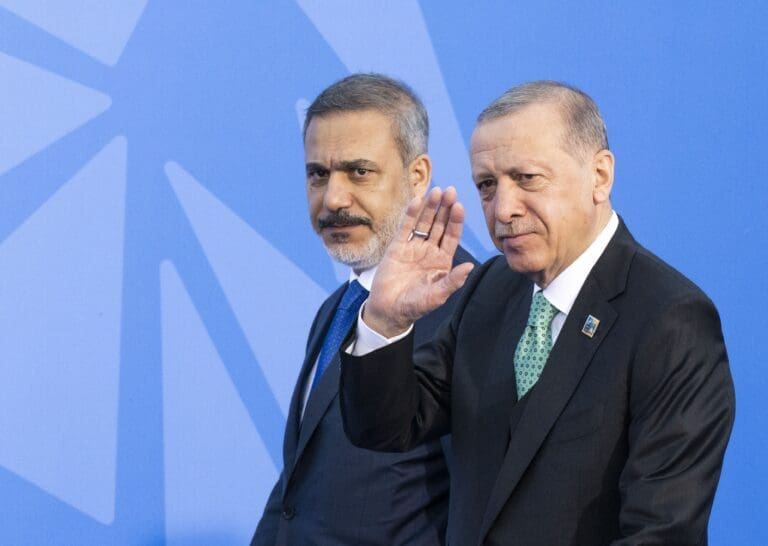
This issue brief argues that Türkiye’s quest for autonomy and status in international affairs, which has long characterized its foreign policy, is set to continue amidst these shifting dynamics.
learn more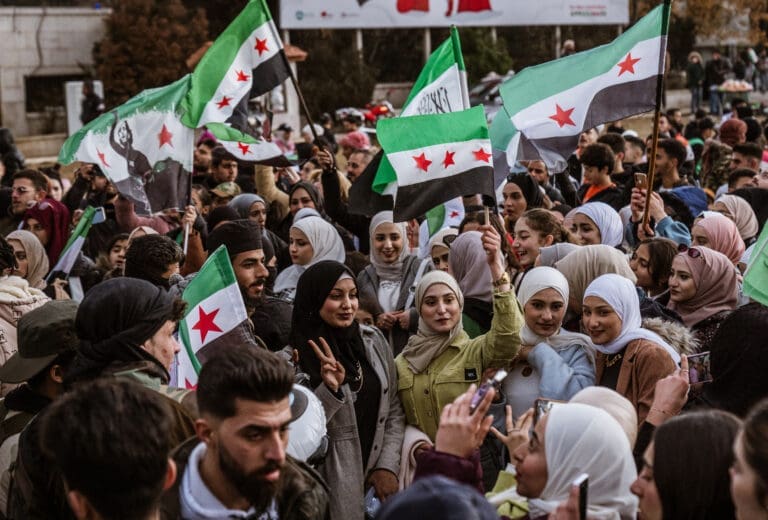
The “Syria Post-Assad: Scenarios and Regional Dynamics” two-day workshop brought together a diverse group of experts, academics, and policymakers from the Middle East and North Africa (MENA) region, the United States, Europe, and Russia.
learn more
The GCC maritime security strategy centers on strengthening naval capabilities, integrating AI-driven port technologies, and expanding partnerships to protect vital shipping routes. By combining fleet modernization with advanced surveillance systems and diversified global cooperation, Gulf states are building a more resilient and strategically agile maritime posture.
learn more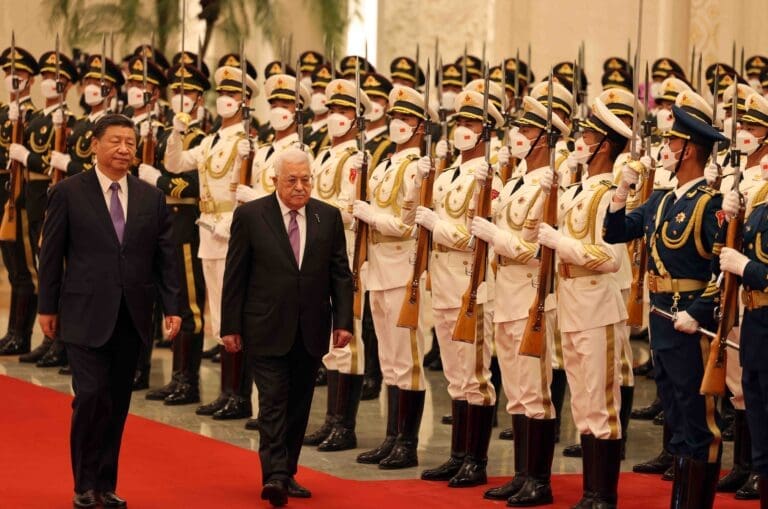
Since October 7, 2023, China has responded to the unfolding crisis in the Middle East by supporting multilateral efforts to bring an immediate end to the violence in Gaza and contain a wider regional conflagration.
learn more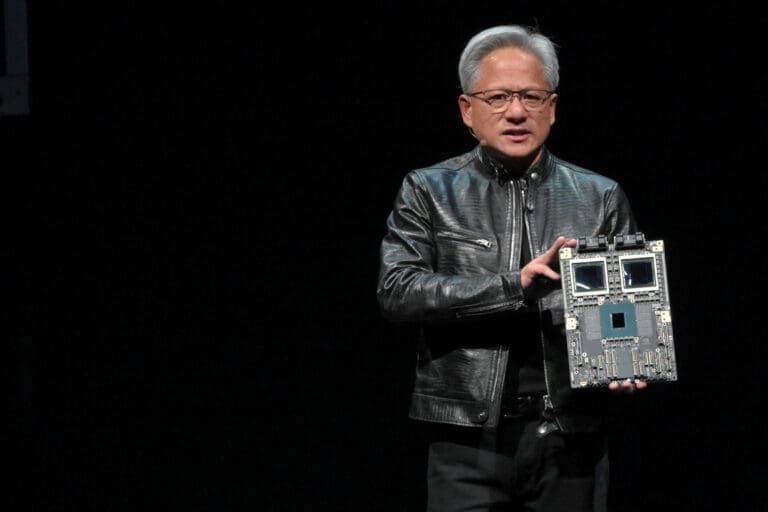
This issue brief investigates the rapid development of AI in the Gulf amid the intensifying U.S.-China tech war.
learn more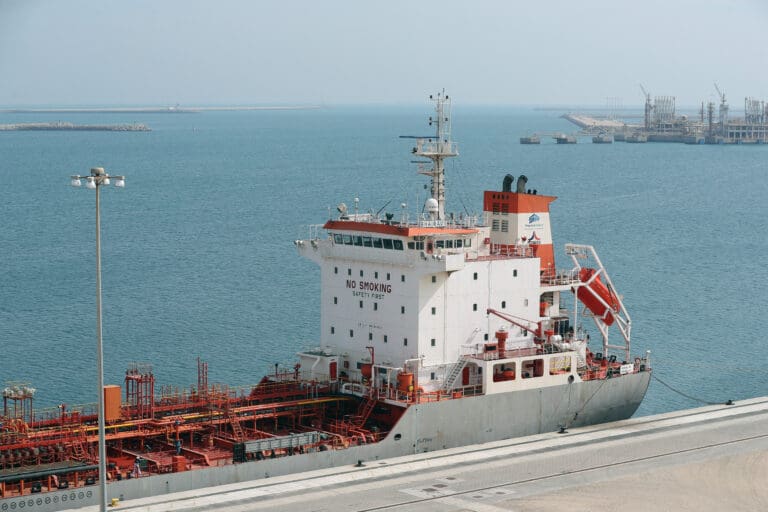
The U.S.-Israel-Iran war has placed the Gulf Cooperation Council (GCC) states — Bahrain, Kuwait, Oman, Qatar, Saudi Arabia, and the United Arab Emirates (UAE) — under growing economic pressure, though the nature and severity of this pressure vary considerably across the six states. These states now face a significant challenge. They must gauge the immediate impact of the conflict and assess their capacity to sustain economic stability under the strain… Continue reading Gulf Sovereign Wealth Funds and the Cost of Crisis Resilience
learn more
Gulf countries are striving to align their economic expansion, which is largely dependent on fossil fuel industries, with sustainable, low-carbon economy practices. Almost all Gulf countries have pledged to adhere to the emissions reduction objectives of the Paris Agreement and have made commitments towards carbon management. Fifteen years ago, climate mitigation efforts in the Gulf were either minimal or nonexistent.
learn more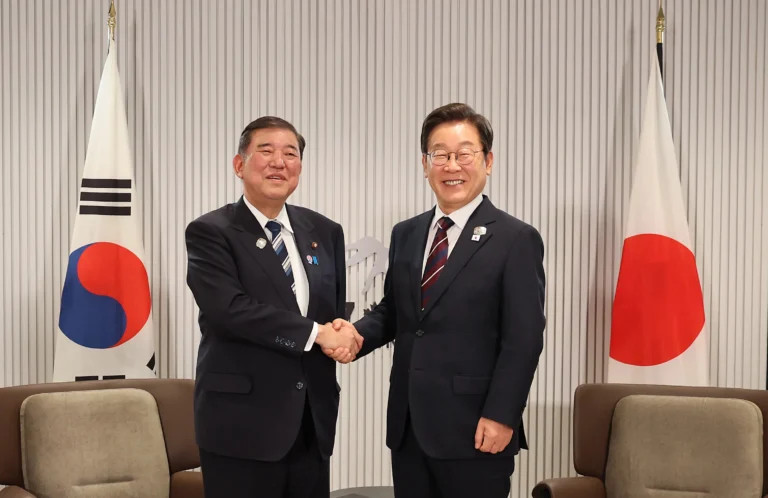
As geopolitical competition intensifies and energy security remains paramount, Japan and South Korea are recalibrating their roles in the Middle East. Despite a long-standing economic and strategic rivalry, both countries—key East Asian middle powers—now face a shared imperative: to cooperate on issues ranging from maritime security and defense diplomacy to renewable energy and Gaza reconstruction. This policy paper explores how Tokyo and Seoul can balance competition with pragmatic collaboration to advance mutual interests and contribute to regional stability.
learn more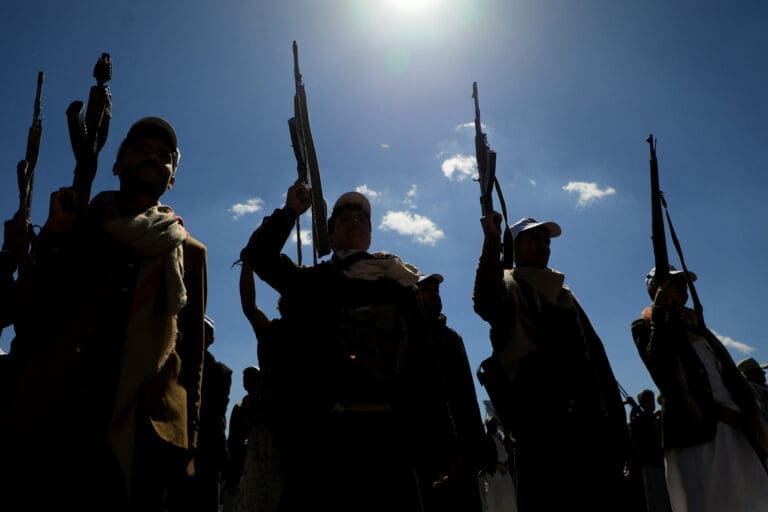
This issue brief examines the underlying challenges facing peacebuilding processes in the Middle East and the limitations of excluding non-state actors in these processes. This issue brief examines the underlying challenges facing peacebuilding processes in the Middle East and the limitations of excluding non-state actors in these processes.
learn more
subscribe
to our newsletters
subscribe