

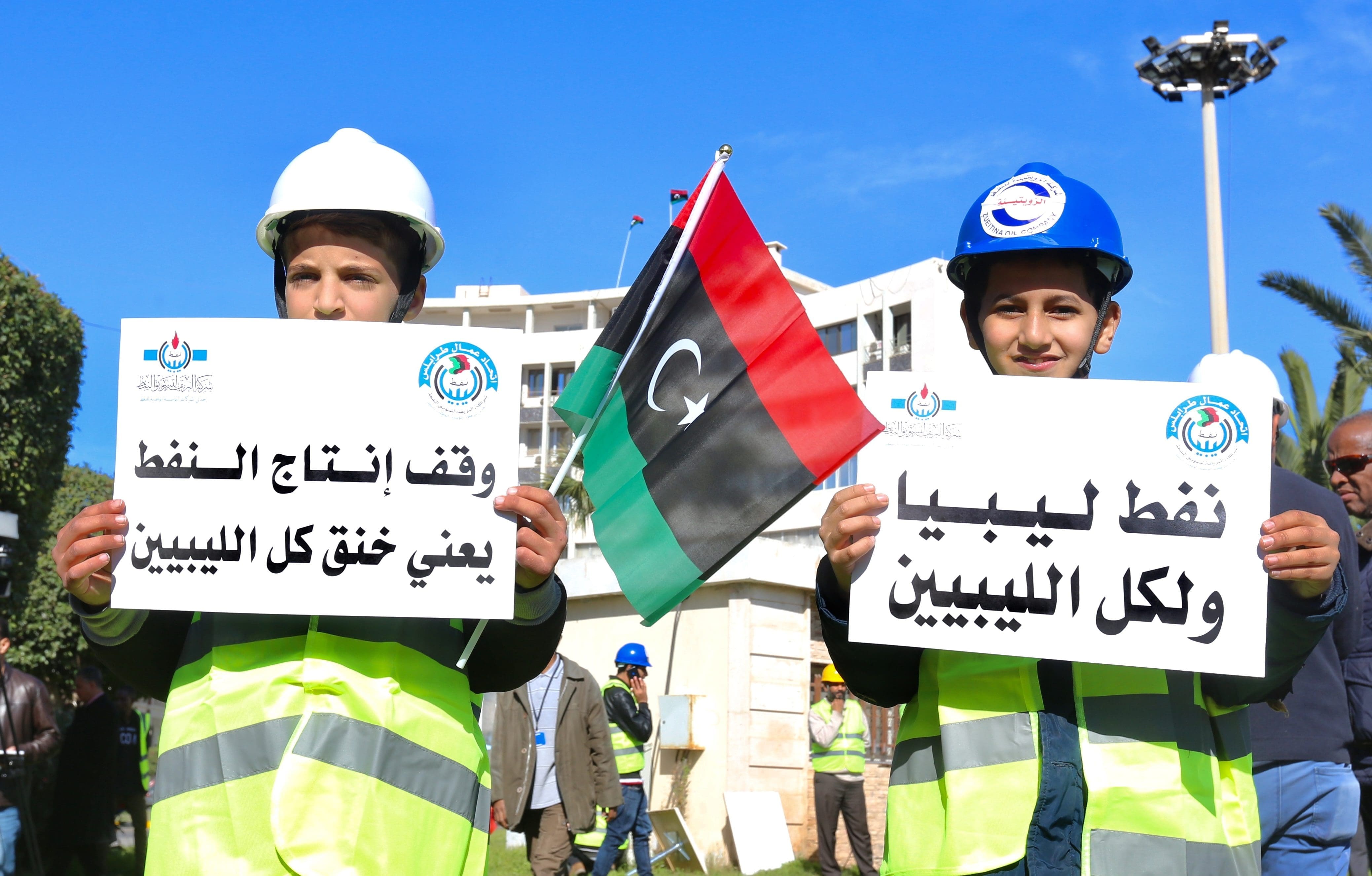
As political tensions in Libya simmer amid fresh uncertainty over elections, the Libyan Presidency Council recently moved to address another issue at the heart of the country’s divisions. Only July 6, the Tripoli-based body announced it was establishing a High Financial Oversight Committee, with sweeping responsibilities to oversee Libya’s vital oil revenues, scrutinize government budgets… Continue reading Libyan Effort to Clean Up State Finances Sidesteps Deeper Issues
Afkar Region: MENA
Will Yemen’s New Hadramout Council Lead to Federalism or More Fragmentation?

The creation of a new governing council for Yemen’s largest province could mark a key moment in the country’s nine-year civil war. The Hadhramout National Council (HNC) was unveiled in late June after meetings between influential actors from across the vast eastern province, as well as Western ambassadors, under Saudi auspices. The council, set to… Continue reading Will Yemen’s New Hadramout Council Lead to Federalism or More Fragmentation?
Erdogan’s Gulf Visit Heralds New Regional Approach

Weeks after winning a new five-year term as president of Türkiye, Recep Tayyip Erdogan visited Saudi Arabia, the United Arab Emirates and Qatar with a delegation that included nearly 200 business and government officials. The veteran leader’s first visit to the region since his electoral victory in May is the culmination of a rapid reconciliation… Continue reading Erdogan’s Gulf Visit Heralds New Regional Approach
Will Egypt be the next to normalize relations with Iran?

Speculation has been growing in recent months that Egypt and Iran could be close to putting decades of mutual antagonism behind them. In early May, Egyptian and Iraqi officials said talks were underway in Baghdad with a view to mending relations between the two major regional powers. Later that month, Supreme Leader Ayatollah Ali Khamenei… Continue reading Will Egypt be the next to normalize relations with Iran?
Can Iran-Saudi Rapprochement overcome Tehran’s anti-Western worldview?
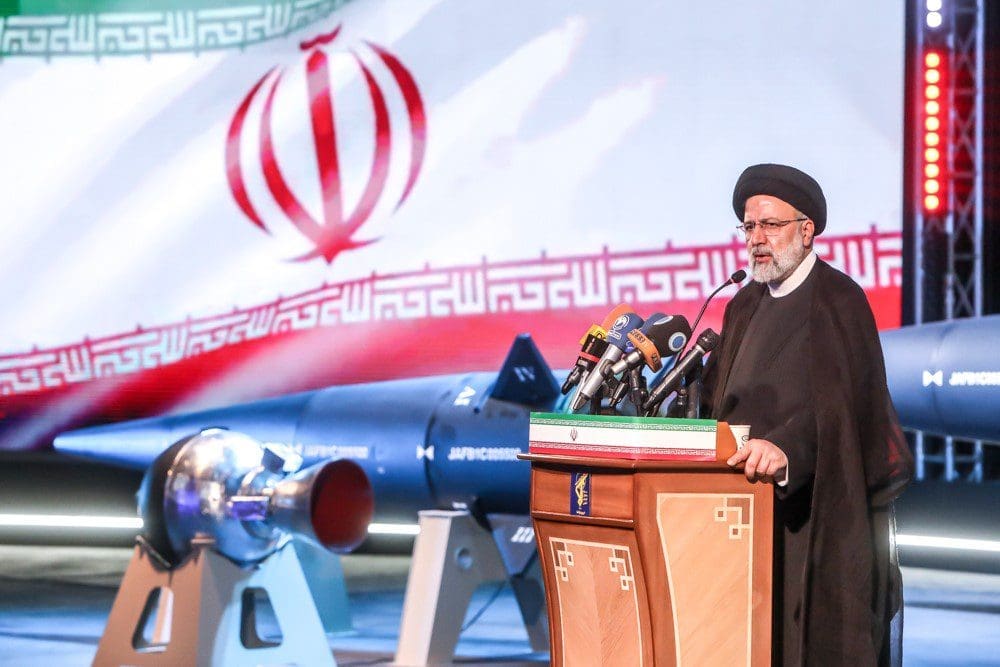
When Saudi Foreign Minister Prince Faisal bin Farhan visited Iran in June, many viewed the event as further evidence of rapidly warming relations between the two regional rivals, who resumed diplomatic ties in March after years of open hostility. The image of the Saudi prince alongside Iran’s president, Ebrahim Raisi, conveyed the message that the… Continue reading Can Iran-Saudi Rapprochement overcome Tehran’s anti-Western worldview?
Saudi Arabia’s Great Transformation

An unprecedented experiment in economic and social transformation is playing out in Saudi Arabia, and the outcome could have profound implications for the entire Arab world. The main goal of the kingdom’s Vision 2030 plan is to shift the economy away from fossil fuels. It is a timely pivot, given that greenhouse-gas emissions must be… Continue reading Saudi Arabia’s Great Transformation
MENA States’ Assertive Approach in the Era of Emerging Multipolarity

As American dominance of the Middle East and North Africa wanes and other world powers step up their efforts to win friends and influence there, long-time U.S. allies are becoming more assertive towards Washington and recalibrating their other ties to better secure their own interests. The growing U.S.-China strategic rivalry will profoundly impact the region… Continue reading MENA States’ Assertive Approach in the Era of Emerging Multipolarity
Interview: What Lies Ahead for Türkiye After the Elections?

1. What accounts for the election results, both in terms of Erdogan’s performance and the opposition alliance’s defeat? What will happen to the alliance now? The election results illustrate that President Erdogan’s campaign narratives of maintaining continuity in tumultuous times, his quest to make Türkiye a powerhouse in international affairs, and the fight against terrorism,… Continue reading Interview: What Lies Ahead for Türkiye After the Elections?
How Does Iran View Syria’s Return to the Arab League?
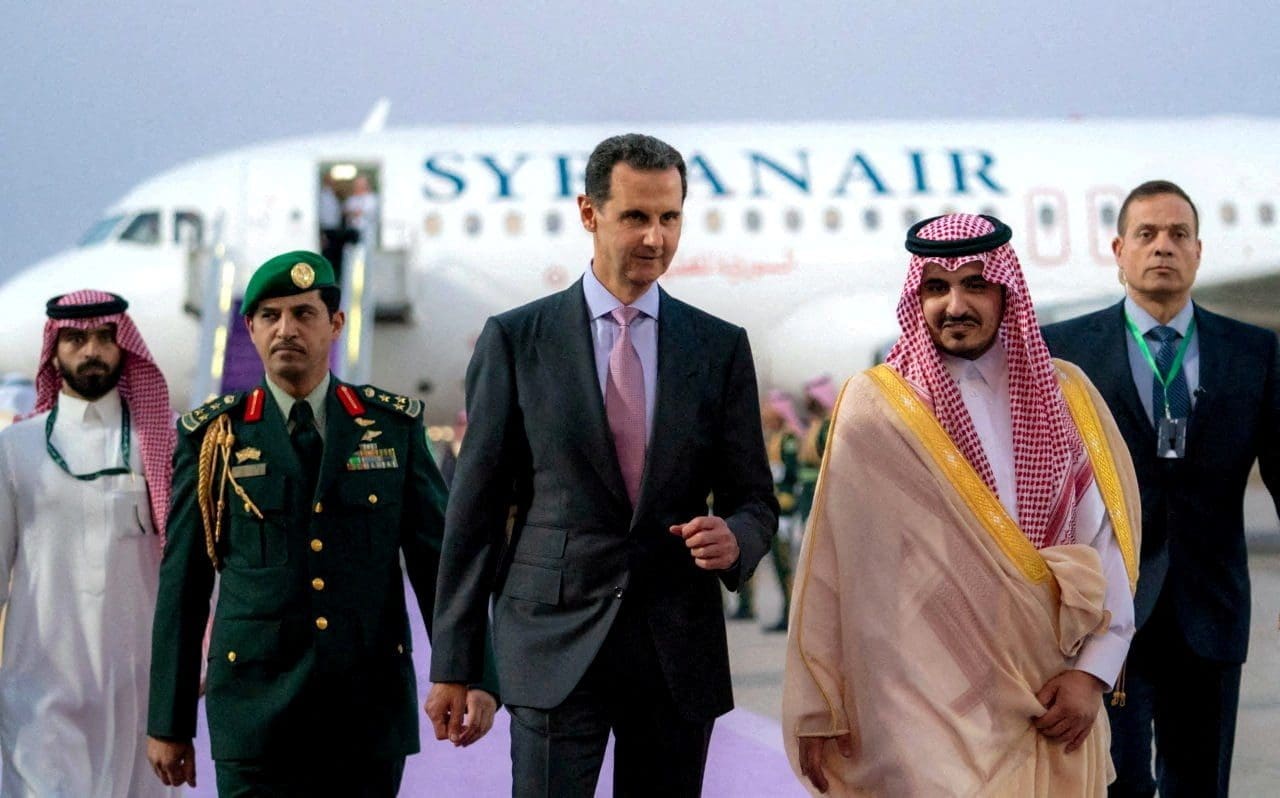
In May 2023, Syria returned to the Arab League following a near-12-year suspension. The move has far-reaching implications for both the region and the international community. It came after more than a decade of widespread atrocities by Bashar Al-Assad’s regime against its own citizens, abuses that have cast a long shadow over Syria’s relationships with… Continue reading How Does Iran View Syria’s Return to the Arab League?
Will the Saudi-Iran Rapprochement change anything for the Palestinians?
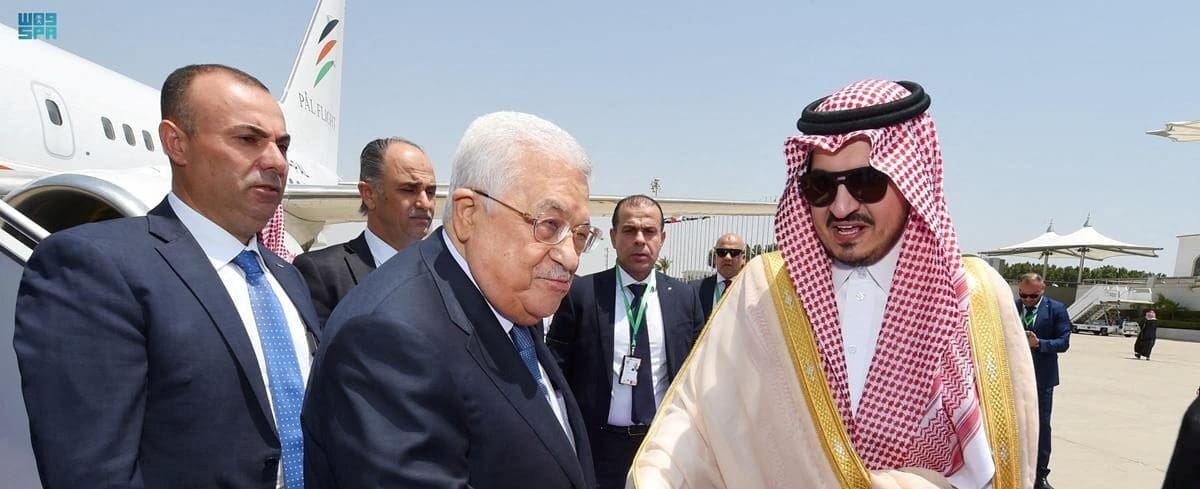
Amid the zeitgeist of diplomatic rapprochement and normalization in the Middle East—which has recently seen Saudi Arabia and Iran mend ties and Syria’s Bashar al-Assad welcomed at this month’s Arab League summit—the Palestinian Islamist movement Hamas took a step forward to repair its own regional relationships. In mid-April, a delegation of senior Hamas officials, led… Continue reading Will the Saudi-Iran Rapprochement change anything for the Palestinians?
Saudi Arabia and the UAE on Edge as Generals Battle It Out in Sudan
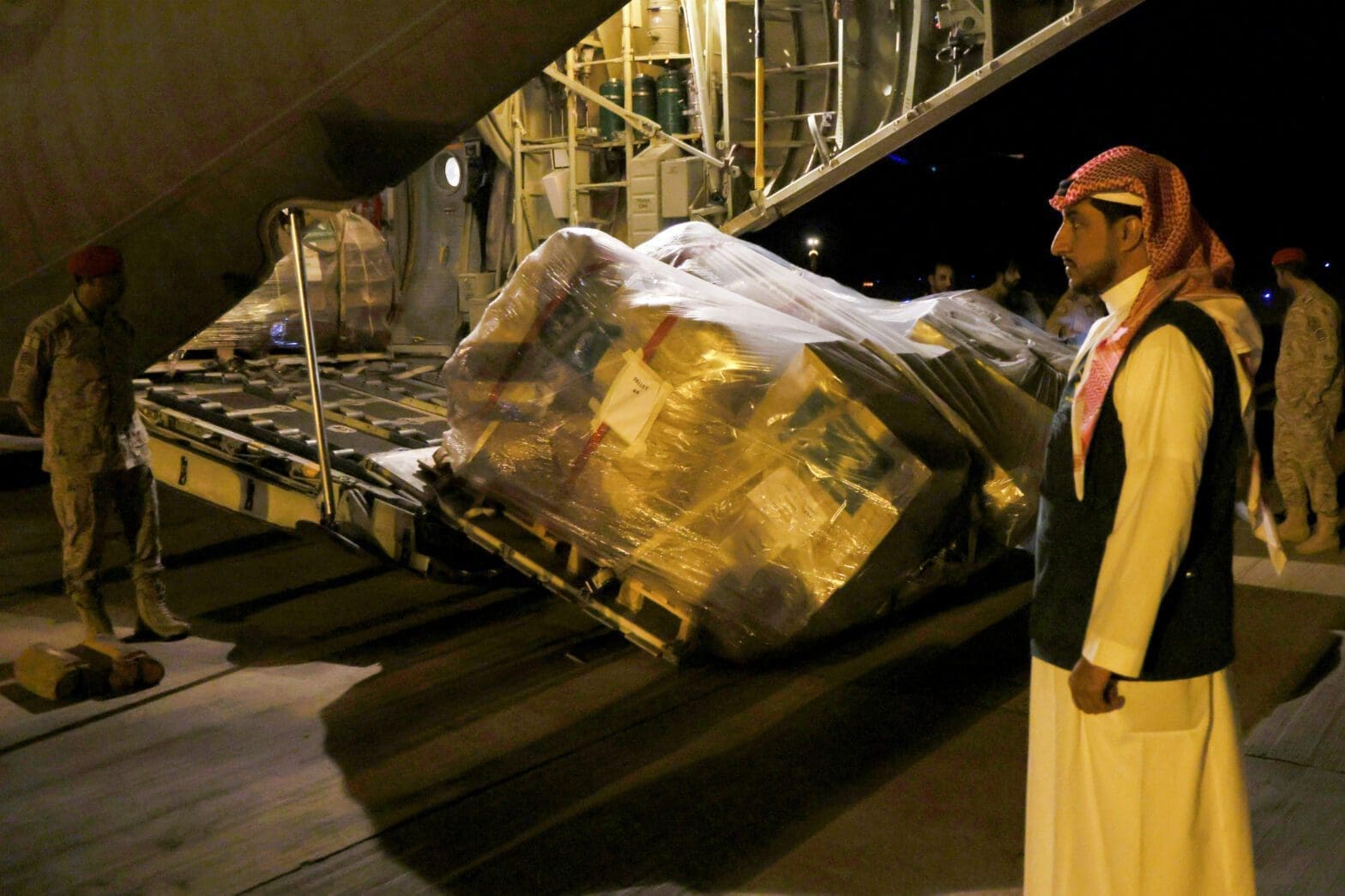
As Sudan’s two main armed forces battle for control of Khartoum, hopes for a truce may lie on the other side of the Red Sea. Saudi Arabia has been holding talks in Jeddah reportedly focused on reaching a ceasefire and ensuring aid can reach those affected by the fighting, which has already killed hundreds of… Continue reading Saudi Arabia and the UAE on Edge as Generals Battle It Out in Sudan
Will Türkiye’s Elections Produce a Change in Leadership and Regional Posture?

On May 14, Türkiye will hold its most consequential elections in decades, with implications that extend well beyond its borders. For 21 years, Recep Tayyip Erdogan has dominated the country’s politics, reshaping its identity and outlook at home and abroad, while becoming the most recognizable Turkish politician on the global stage in nearly a century.… Continue reading Will Türkiye’s Elections Produce a Change in Leadership and Regional Posture?
Sudan Conflict: Regional Implications – Council Views

The eruption of violent conflict in Sudan on April 15 has cast the country into, perhaps, the darkest period yet in its five-year transition toward civilian rule, which began with nationwide protests in 2018 and the toppling of Omar al-Bashir a year later, after three decades in power. The recent outbreak of fighting between the… Continue reading Sudan Conflict: Regional Implications – Council Views
Time to Tackle the Transparency Deficit in the MENA Region

It is widely known that the Middle East and North Africa (MENA) region suffers from a “democratic deficit.” What is less well-appreciated is that the region also suffers from a chronic deficit in transparency. The World Bank’s Vice President for MENA, Ferid Belhaj, recently called attention to this problem, stating that Egypt needs to get… Continue reading Time to Tackle the Transparency Deficit in the MENA Region
Saudi-Iran Rapprochement Unlikely to Bring Lasting Peace to Yemen
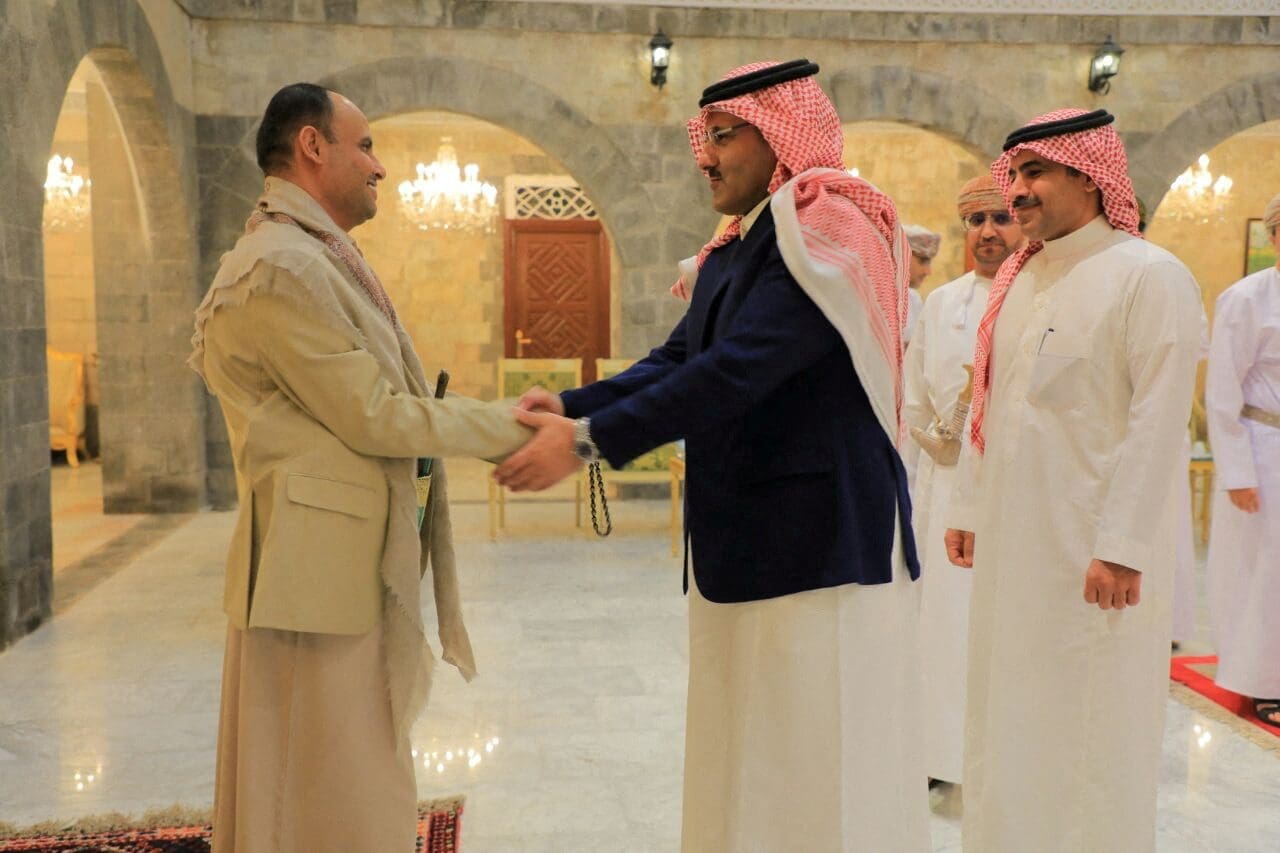
A diplomatic agreement between Saudi Arabia and Iran has raised hopes that it could lead to a peace agreement in Yemen, where war has raged with the help of both parties for over eight years. Over the past week, Houthi officials have been holding peace talks in Sanaa with a delegation led by Saudi Ambassador… Continue reading Saudi-Iran Rapprochement Unlikely to Bring Lasting Peace to Yemen
The Saudi-Iranian Deal Is Important, but Don’t Expect a Wider Peace
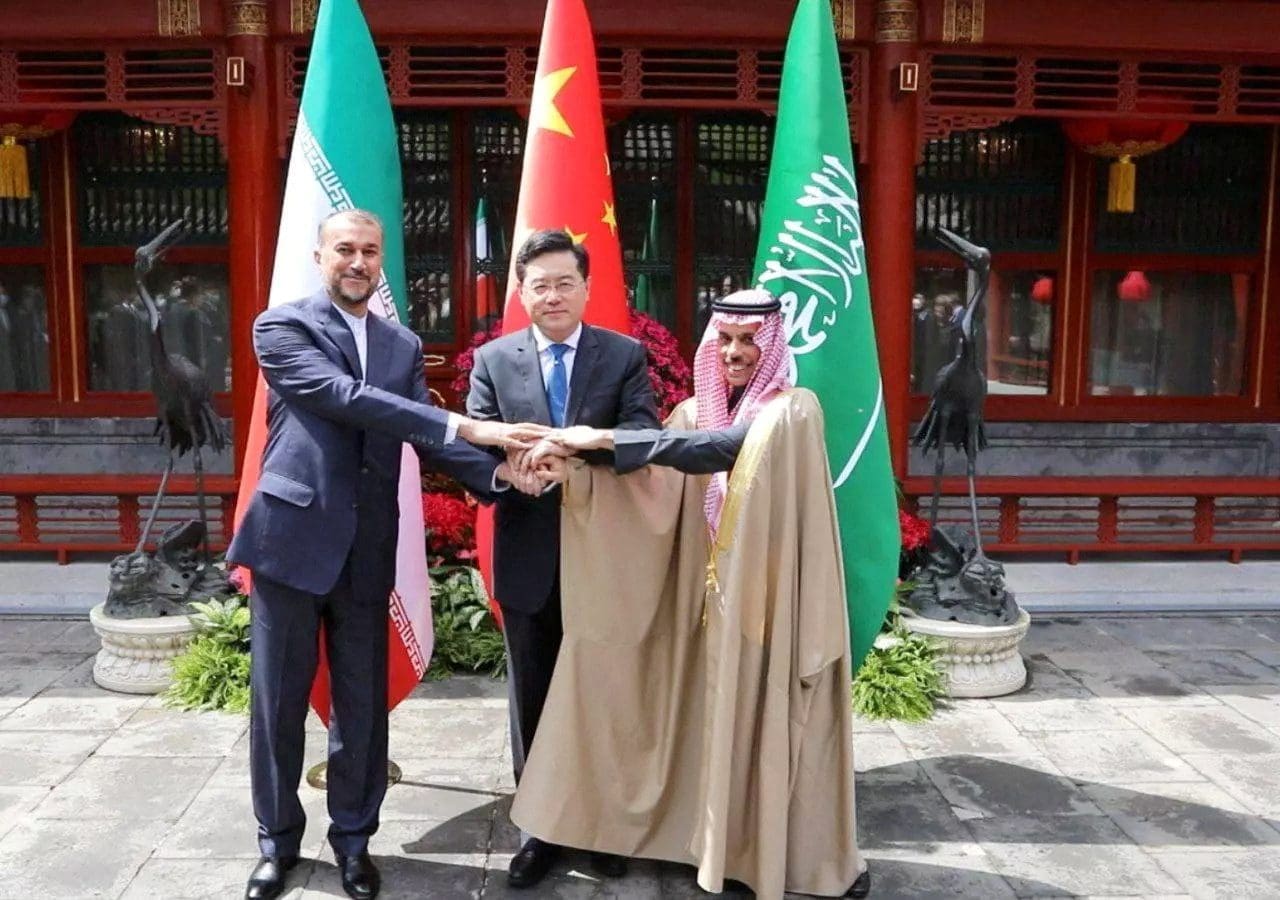
The March 6 announcement that Saudi Arabia and Iran were re-establishing diplomatic ties was an important moment for the Middle East. The Chinese-brokered deal has the potential to end the devastating eight-year conflict in Yemen and address geopolitical tensions elsewhere. From the Saudi perspective, it may end Iranian proxy attacks on Saudi oil facilities, including… Continue reading The Saudi-Iranian Deal Is Important, but Don’t Expect a Wider Peace
Rising Anti-Refugee Sentiment in Türkiye Unshaken by Earthquakes

The earthquakes that struck Türkiye and Syria in February devastated large areas of both countries, killing over 50,000 people and forcing millions from their homes. It was Türkiye’s worst natural disaster in decades. For Syrian refugees living in the area, it was a double catastrophe. Already forced from their country by war, they now found… Continue reading Rising Anti-Refugee Sentiment in Türkiye Unshaken by Earthquakes
Biden’s Strategic Neglect of Palestine is Bound to Backfire

Since the start of its term, the administration of U.S. President Joe Biden has been reluctant to engage substantively with the Israeli-Palestinian issue. Instead, it has focused its limited efforts on perpetuating the status quo, on the pretext that circumstances are not conducive to initiatives to change it. What can be described as a policy… Continue reading Biden’s Strategic Neglect of Palestine is Bound to Backfire
The Iraq War 20 Years On – Council Views

Still No U.S. Accountability Adel Abdel Ghafar The 2003 U.S. invasion of Iraq was a terrible calamity, unleashing disastrous consequences that continue to reverberate across the Middle East. First and foremost, the war resulted in the deaths of an estimated 300,000 Iraqis and the displacement of millions. Saddam Hussein’s regime was brutal, and the legacy… Continue reading The Iraq War 20 Years On – Council Views
Racism Row Puts Another Blot on Tunisia’s Post-2011 Gleam

In late February, Tunisian President Kais Saied made incendiary claims against Sub-Saharan Africans in the country. Asserting that “hordes” of paperless migrants represented a “criminal plot” to change Tunisia’s racial make-up and blur its Arab-Muslim identity, he accused them of causing a wave of “violence, crimes, and unacceptable acts” and called for “urgent measures to… Continue reading Racism Row Puts Another Blot on Tunisia’s Post-2011 Gleam
Lessons Learned from the Türkiye and Syria Earthquake – Council Views
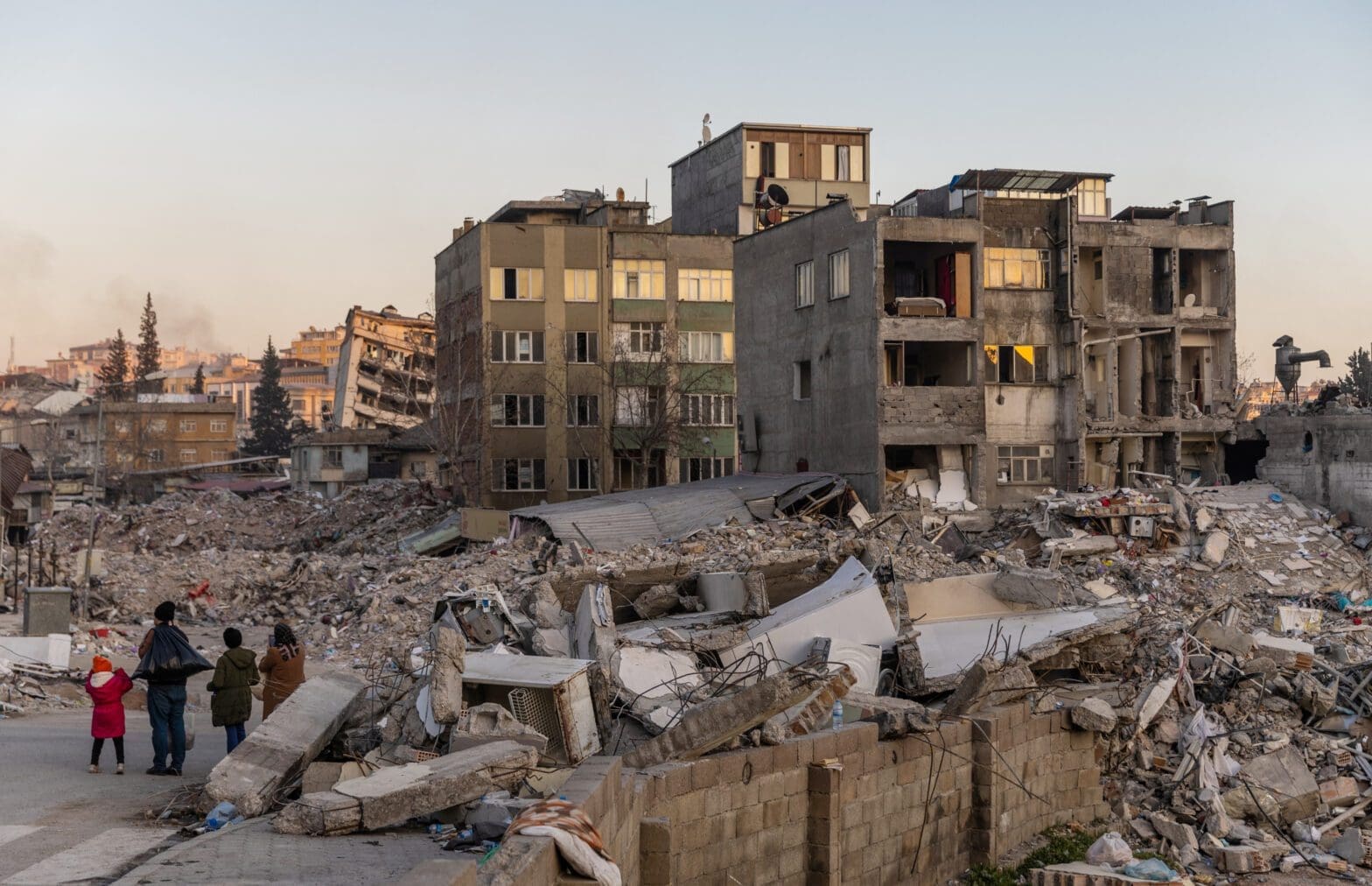
The catastrophic earthquakes and aftershocks that first hit Türkiye and Syria on February 6 have led to a staggering loss of life and infrastructure. Nearly 50,000 people have succumbed in the disaster and many more remain injured, homeless, and vulnerable as people, rescuers, and governments struggle to cope in the harsh winter conditions. In this… Continue reading Lessons Learned from the Türkiye and Syria Earthquake – Council Views
Egypt’s Economic Crisis Heightens Need for Reforms

Egyptians are facing a dire economic situation. Since early 2022, the Egyptian pound has lost more than 40 percent of its value against the U.S. dollar and prices of imported goods have soared, as the impact of the war in Ukraine compounds the effects of stringent bailout conditions set by the International Monetary Fund (IMF).… Continue reading Egypt’s Economic Crisis Heightens Need for Reforms
A Change in Iraqi Leadership Is Giving Militias a New Lease on Life

The appointment of Iraqi Prime Minister Mohamed Shia al-Sudani in October has breathed new life into the Popular Mobilization Forces (PMF). A militia network formed in 2014 to fight the Islamic State in Iraq and Syria (ISIS), the PMF soon morphed into a political force to be reckoned with, making a strong showing in 2018… Continue reading A Change in Iraqi Leadership Is Giving Militias a New Lease on Life
Elections Without Democracy Expose Tunisia’s Political Decline

Just a few years ago, Tunisia was a beacon of political renewal in the Arab world, having both sparked the 2011 Arab Spring revolutions and emerged from them with the region’s only dictatorship-turned-democracy. Yet today, Tunisia is straining under the weight of a broken political system, a beleaguered economy and a disaffected public, including thousands… Continue reading Elections Without Democracy Expose Tunisia’s Political Decline
Can Iraq’s New PM Chart a Different Relationship with the Gulf?

Iraq’s new government is hoping that an influx of investment from its Gulf neighbors can breathe life into its economy and diversify its regional relationships after years of being so close to Iran. But such efforts are likely to face stiff opposition from Tehran and its proxies, who have expanded and consolidated their influence since… Continue reading Can Iraq’s New PM Chart a Different Relationship with the Gulf?
Could Israel’s New Government Spell the End of the Palestinian Authority?

Israel’s new government, widely seen as the most far-right in its history, has wasted no time ramping up pressure on the Palestinian Authority. The latest volley of travel restrictions against top officials, financial pressure and construction freezes are not new in themselves. But viewed in the context of statements by members of the new cabinet,… Continue reading Could Israel’s New Government Spell the End of the Palestinian Authority?
Council Views – Iranian protests: Reverberations for the Islamic Republic and the Region

The Islamic Republic of Iran is engulfed in crisis as a popular uprising threatens the foundations of the regime. The brutal murder of an Iranian-Kurdish woman, Mahsa Amini, while in police custody for not wearing her headscarf according to government-imposed standards has galvanized Iranians of all backgrounds at a moment when the regime faces several… Continue reading Council Views – Iranian protests: Reverberations for the Islamic Republic and the Region
Why the U.S. Congressional Effort to Pressure Algeria on Russia Could Backfire
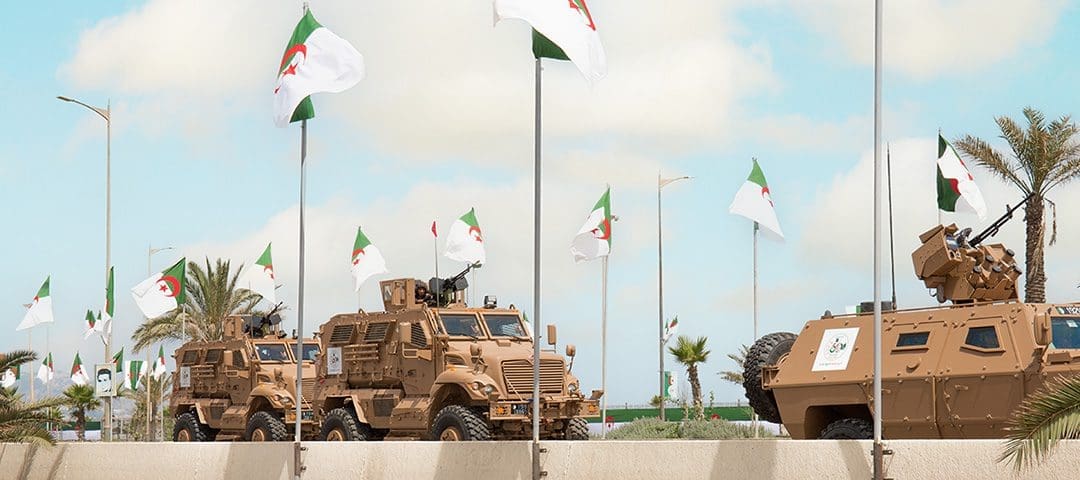
In a letter addressed to United States Secretary of State Antony Blinken on September 29, U.S. Congresswoman Lisa McClain (R-MI) and 26 of her colleagues called for imposing sanctions on Algeria through the Countering America’s Adversaries Through Sanctions Act (CAATSA). The move is ostensibly connected to the war in Ukraine and the intensifying competition between… Continue reading Why the U.S. Congressional Effort to Pressure Algeria on Russia Could Backfire
Twenty Years of Governance Reform: What’s Next for the MENA Region?
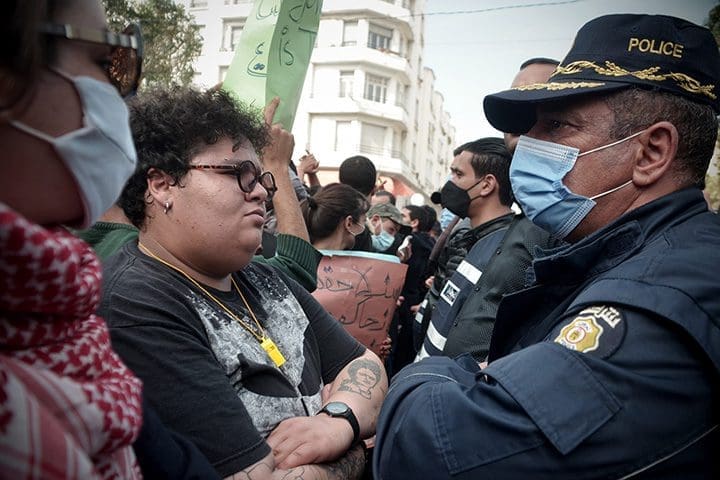
In 2002, the United Nations Development Program (UNDP) produced a remarkable and far-reaching document titled the Arab Human Development Report. Written largely by Arab authors, the report mobilized a wealth of data to argue persuasively that the lack of socio-economic development within the Arab region is the product of three fundamental deficits in freedom, knowledge,… Continue reading Twenty Years of Governance Reform: What’s Next for the MENA Region?