


The Mediterranean is a region more practiced at crisis management than resolution. From Cyprus to Palestine, Lebanon to Libya, migration to energy, the region’s chronic fault lines simmer beneath the surface, flitting between active and dormant states like geopolitical volcanoes. Time and again, the states attempting to contain or capitalize on these crises end up… Continue reading Are Mediterranean Gas Fields Gold Mines or Volcanoes?
Afkar Country: Turkey
Turkish-Kurdish Peace Talks Must Navigate Domestic Politics and Regional Shifts

When a group of Kurdistan Workers’ Party (PKK) fighters set fire to their weapons at a ceremony in the Iraqi city of Sulaymaniyah in July, it was more than a historic image. It was one of the most prominent steps so far toward ending an intractable conflict that has claimed more than 40,000 lives, reshaped… Continue reading Turkish-Kurdish Peace Talks Must Navigate Domestic Politics and Regional Shifts
Growing Ties Between Eastern Libya and Türkiye Increase Tensions in the Mediterranean

For nearly six years, Libya’s eastern-based House of Representatives (HoR) has rejected attempts by the internationally-recognized authorities in Tripoli to ratify a maritime border agreement with Türkiye on the grounds that they were illegal and violated Libyan national sovereignty. In June, however, amid steadily warming relations between the HoR-appointed Government of National Stability (GNS) and… Continue reading Growing Ties Between Eastern Libya and Türkiye Increase Tensions in the Mediterranean
PKK Recalibrates from Armed Struggle to Politics in Türkiye

“We voluntarily destroy our weapons … as a step of goodwill and determination,” said senior Kurdistan Workers’ Party (PKK) leader Bese Hozat, speaking in front of a gathering of the group’s fighters. The footage, filmed last Friday in the northern Iraqi city of Sulaimaniyah, then shows the fighters—about 30 of them—placing their weapons inside a… Continue reading PKK Recalibrates from Armed Struggle to Politics in Türkiye
Will the PKK’s Historic Disbandment Transform the Turkish Republic?

On May 12, 2025, the Kurdistan Workers’ Party, or PKK, officially declared its dissolution after nearly five decades of armed insurgency against the Turkish state. The announcement was made in parallel congresses held in the Kandil Mountains and the Zap Valley, the two iconic strongholds of the movement in northern Iraq. Two hundred and thirty-two… Continue reading Will the PKK’s Historic Disbandment Transform the Turkish Republic?
In Engaging the Haftars, Türkiye Makes Pragmatic Shift in Libya
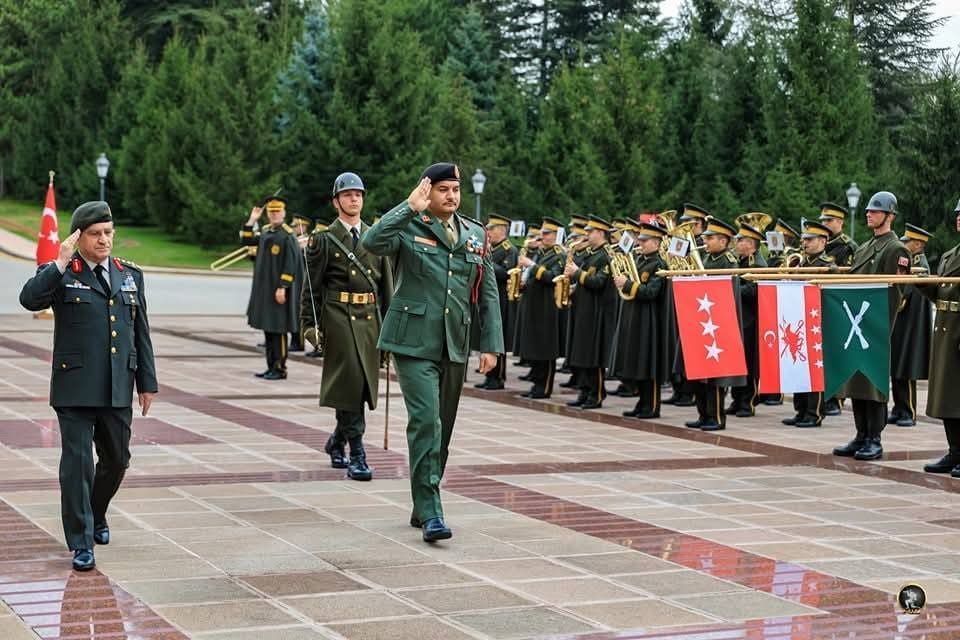
Türkiye’s welcome of Saddam Haftar, son of eastern Libya’s de facto ruler Khalifa Haftar, was laden not only with ceremony but with implications for the North African country’s delicate balance of power. Walking down the red carpet in Ankara on April 4, the commander of land forces in his father’s self-styled Libyan Arab Armed Forces… Continue reading In Engaging the Haftars, Türkiye Makes Pragmatic Shift in Libya
The First 100 Days: Trump’s Middle East Policy Revisited

By any standard of the American presidency, the first 100 days of Donald Trump’s second term have been eventful, to say the least. From the dismantling of government institutions to the imposition of protectionist trade policies to the launching of negotiations with Iran and Russia, the implications of Trump’s early agenda have been far reaching… Continue reading The First 100 Days: Trump’s Middle East Policy Revisited
Will China Engage More on Middle East Security?

Since the launch of its Belt and Road Initiative in 2013, China has markedly expanded its trade, industrial investment and other economic activities in the Middle East. As its influence has grown, regional governments like Saudi Arabia, Iran and Türkiye have urged Beijing to play a greater role in the Middle East’s security affairs. These… Continue reading Will China Engage More on Middle East Security?
Seizing the Moment for Peace in Syria

As the Trump administration begins pulling U.S. troops out of Syria and openly mulling its long-term future there, the Syrian Democratic Forces (SDF)—a Kurdish-led coalition force—may soon lose its most important military and political backer. This possibility, and the wider geopolitical shifts it could bring, was likely a major factor in SDF General Commander Mazloum… Continue reading Seizing the Moment for Peace in Syria
U.S. Disengagement Spurs Turkish-European Defense Cooperation
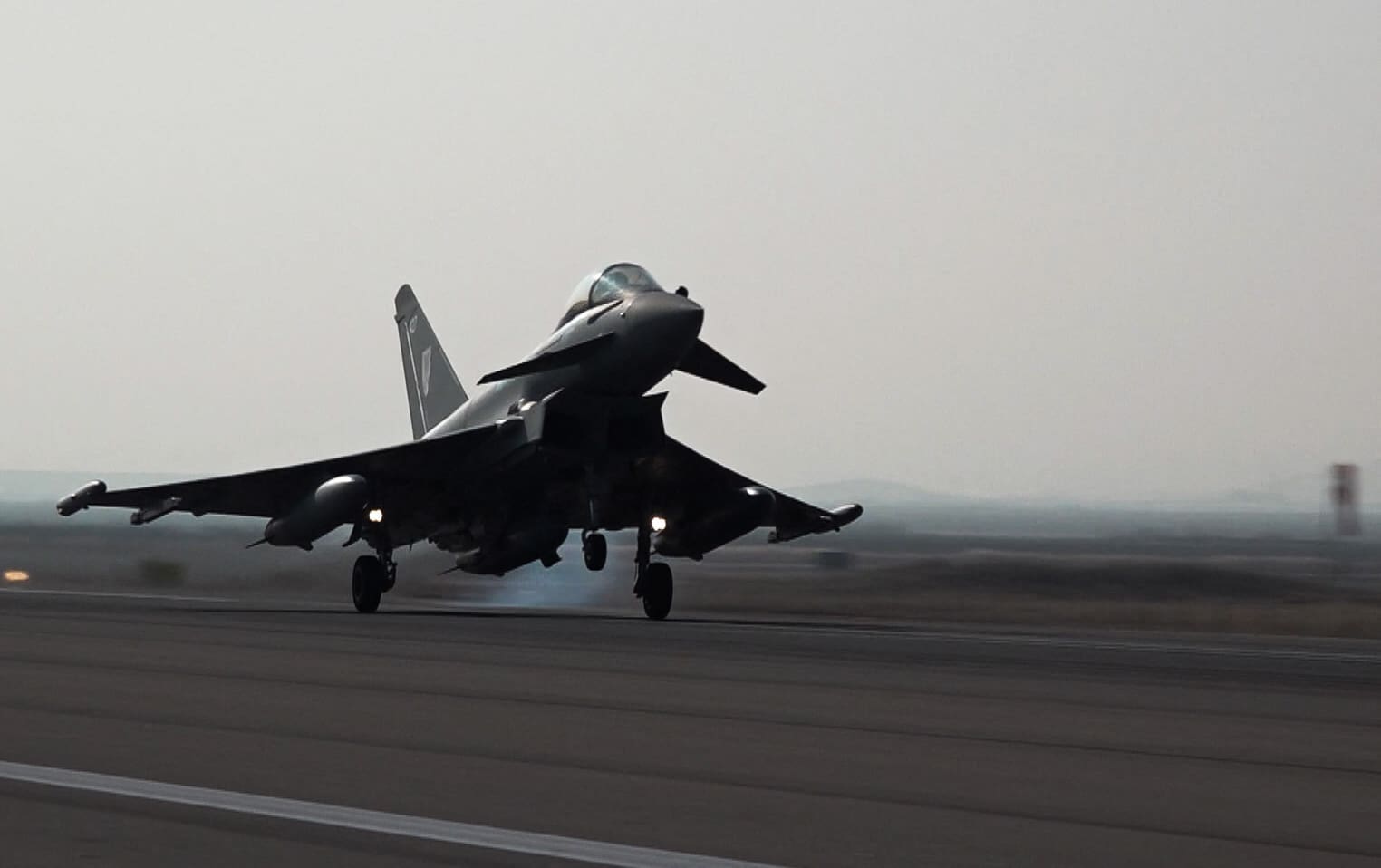
As the United States’ long-standing commitment to European security erodes under the Trump administration, the bloc’s defense partnership with Türkiye hit a new milestone in March, when a consortium of Europe’s leading arms companies submitted a formal bid to sell Ankara 40 Eurofighter Typhoon jets. The fighters have seen active service in the air forces… Continue reading U.S. Disengagement Spurs Turkish-European Defense Cooperation
Rebuilding Forever: Lessons of our failures

*This article is the second part in a two-part series. Read Part 1 here. If Syria’s Arab Spring forerunners have a fundamental lesson to impart, it is that achieving a symbiosis between a revolution’s leadership and its public is required to successfully transmute a deposed tyranny into a nation of self-determination and the representative state… Continue reading Rebuilding Forever: Lessons of our failures
Call to Disband PKK Reshapes Türkiye, Syria Power Dynamics

The consequences of the call by the founder of the Kurdistan Workers’ Party (PKK), Abdullah Ocalan, for the group to disband are still reverberating—not just in Türkiye but also in the wider region. Shifting alliances in Syria—exemplified by the recent agreement between the Kurdish-led Syrian Democratic Forces (SDF) and the Syrian government—confirm that Ocalan’s message… Continue reading Call to Disband PKK Reshapes Türkiye, Syria Power Dynamics
MENA Outlook for 2025

With the December collapse of the Assad regime in Syria, 2024 came to a close in a dramatic and region-altering fashion. This, along with the numerous other major trend lines and points of conflict, likely makes 2025 a year that will be significant in reshaping the region’s future. Looking forward to what may be coming,… Continue reading MENA Outlook for 2025
Regional Economy Faces Plenty of Challenges—and Reasons for Hope—in 2025

Despite the turmoil rocking the Middle East and North Africa (MENA), there may be some glimmers of hope for the region’s economies in 2025. The World Bank and the International Monetary Fund (IMF) are both projecting an uptick in growth in most MENA economies. However, structural challenges, political instability, and geopolitical tensions will continue to… Continue reading Regional Economy Faces Plenty of Challenges—and Reasons for Hope—in 2025
As Syria Heats Up, Türkiye Finds Itself in the Spotlight

The sudden and dramatic developments in northern Syria—beginning in the outskirts of Idlib and surrounding villages near Aleppo and culminating in Syria’s second largest city falling into rebel hands—have thrust Türkiye—widely seen as the closest external power to the rebel factions—into a spotlight it neither sought nor fully avoided. The speed and ease with which… Continue reading As Syria Heats Up, Türkiye Finds Itself in the Spotlight
Ethiopia and Somalia on the Edge of War
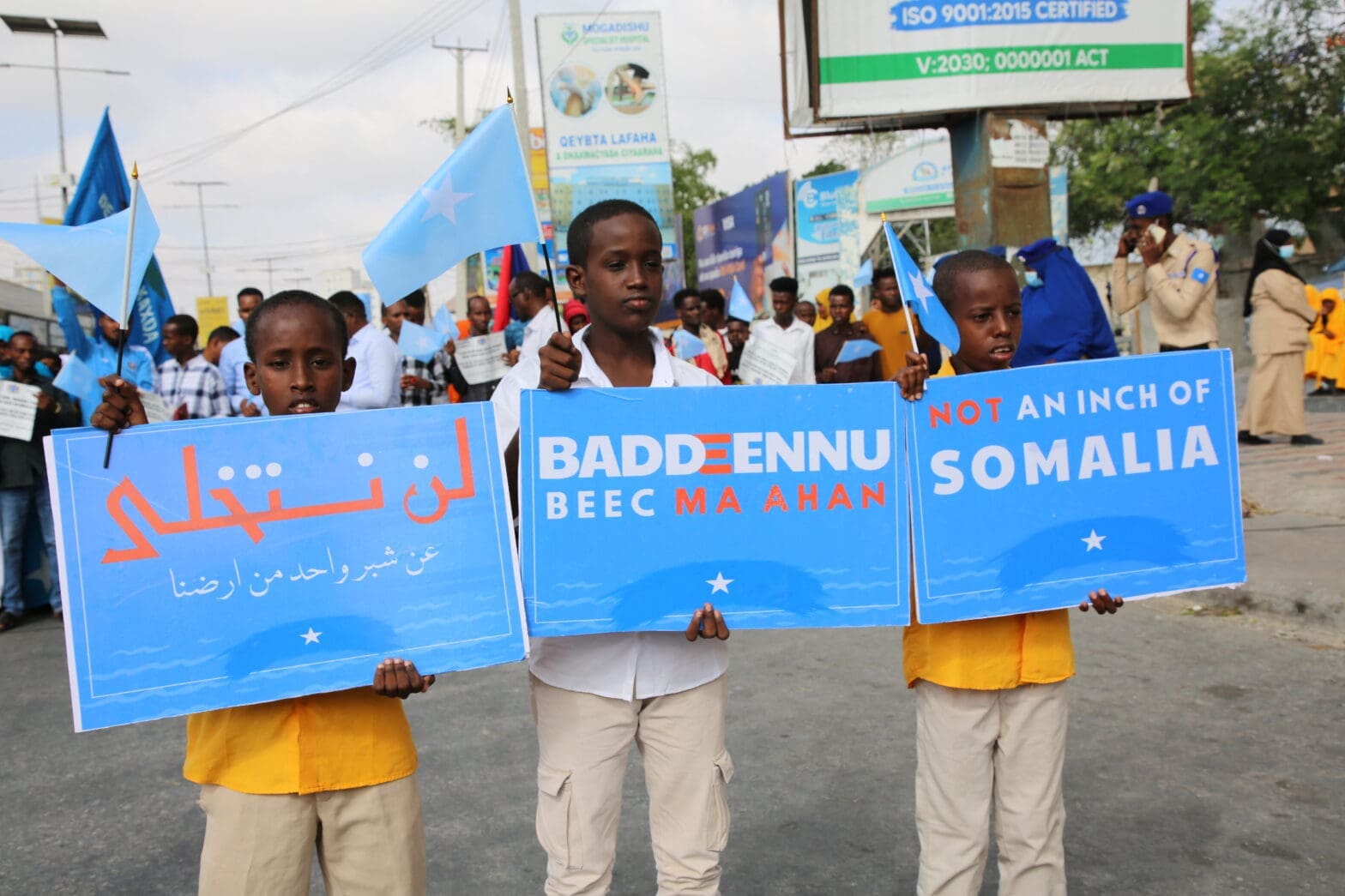
For months, momentum had been building toward war between Ethiopia and Somalia. After the breakaway region of Somaliland signed an agreement with Addis Ababa in January to exchange littoral rights for potential diplomatic recognition, tensions soared across the Horn of Africa. While recent weeks have seen the regional boil reduce to a simmer, other hot-button… Continue reading Ethiopia and Somalia on the Edge of War
Adapting the Women, Peace and Security Agenda to the Arab World
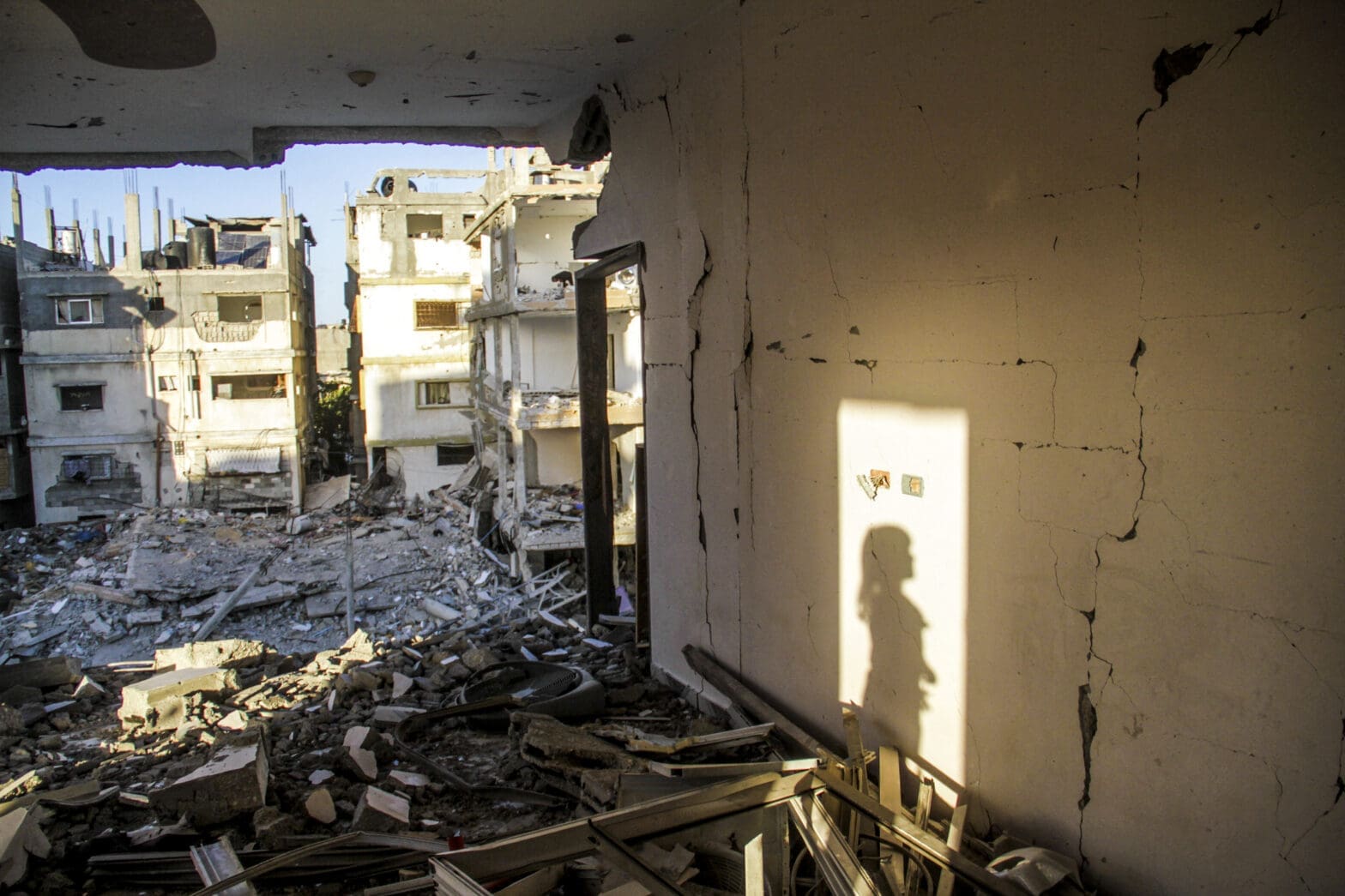
When United Nations Security Council (UNSC) resolution 1325 on Women, Peace and Security (WPS) was adopted on October 31, 2000, it marked an unprecedented commitment by the international community to regard women as integral partners in peace processes. The WPS “agenda,” as it came to be known, encompasses ten UNSC resolutions that recognize the devastating… Continue reading Adapting the Women, Peace and Security Agenda to the Arab World
Ethiopia-Somalia Dispute: What Is at Stake for MENA? – Council Views

On January 1, the self-proclaimed Republic of Somaliland and landlocked Ethiopia signed a controversial memorandum of understanding (MoU) granting the latter port access to the Red Sea. In exchange for a 50-year lease of coastline near the strategic port of Berbera for commercial and naval uses, Addis Ababa agreed to consider recognizing Somaliland as a… Continue reading Ethiopia-Somalia Dispute: What Is at Stake for MENA? – Council Views
Interview: Türkiye Engages the Arab League

At the most recent meeting of the League of Arab States (LAS) in Cairo, Turkish Foreign Minister Hakan Fidan was in attendance, marking the first time Türkiye has been represented at the summit in 13 years. In his address, Fidan offered pointed remarks on the war on Gaza and the need for unity among Arab… Continue reading Interview: Türkiye Engages the Arab League
The Coup Contagion Continues

The first attempted military coup of 2024 took place in Bolivia on June 26, when soldiers stormed the presidential palace and occupied the main square in La Paz. While Bolivia is no stranger to putsches, with the highest number of coups worldwide since 1950, it is now the latest in a long list of countries… Continue reading The Coup Contagion Continues
EU Aid for Syrian Refugees: Addressing Ongoing Needs in Türkiye and Lebanon

In late May of this year, the European Union and other international donors pledged €7.5 billion ($8 billion) in grants and loans to support millions of Syrians displaced within and beyond the country’s borders by a devastating 13-year civil war. The seemingly vast sum pledged at the Brussels conference on “Supporting the future of Syria… Continue reading EU Aid for Syrian Refugees: Addressing Ongoing Needs in Türkiye and Lebanon
A Succession of Coups Leaves the Sahel Prey to International Rivalries

When Niger’s military rulers decided to put an end to the presence of American armed forces on the country’s territory in May, the move was met with dismay in Washington. Niger, in the heart of the Sahel region south of the Sahara Desert, is host to two major bases the United States had long used… Continue reading A Succession of Coups Leaves the Sahel Prey to International Rivalries
The Development Road Project – Council Views

Following a momentous visit to Iraq by Turkish President Recep Tayyip Erdogan, Türkiye, Iraq, Qatar, and the United Arab Emirates signed an initial agreement to collaborate on the Development Road project. The $17 billion project envisages region-wide transportation routes and infrastructure that would transform Iraq’s infrastructure into a transit hub connecting Asia and Europe over… Continue reading The Development Road Project – Council Views
Iran-Israel Tensions Emerge from the Shadows – Council Views

On April 13, Iran attacked Israel directly for the first time in its history, retaliating for Israel’s killing of three top Iranian commanders in Damascus on April 1. Israel has since responded with a limited strike, and the United States and its allies imposed expanded sanctions on Iran. Middle East Council scholars examine the implications… Continue reading Iran-Israel Tensions Emerge from the Shadows – Council Views
Interview: Erdogan’s Last Elections?

1. In 2019, the leading opposition party, the Republican People’s Party (CHP), won mayoral elections in Türkiye’s three biggest cities—Istanbul, Ankara, and Izmir—marking the height of opposition unity under the Nation Alliance (Millet İttifakı). This time, despite the Nation Alliance’s dissolution, the opposition won even more cities in a landslide victory for the CHP not… Continue reading Interview: Erdogan’s Last Elections?
Interview: Russia in the Middle East

1. Over two years into Russia’s full-scale invasion of Ukraine, Russians have just gone to the polls and Ukraine appears set to postpone an election slated for the end of March. In Russia, Putin reportedly spent more than $1 billion on a public relations campaign in the lead-up to the election. What is the significance… Continue reading Interview: Russia in the Middle East
Erdogan Treads Delicate Line Between Words and Deeds on Gaza

The war between Israel and Hamas has placed Turkish President Recep Tayyip Erdogan in a tough position. While he has responded with fiery rhetoric against Israel’s leadership and its bombardment of the Gaza Strip, in practice his actions have been constrained by various factors, particularly Türkiye’s dire economic situation. While Erdogan’s forceful criticism of Israeli… Continue reading Erdogan Treads Delicate Line Between Words and Deeds on Gaza
Iran and Türkiye Seek to Avoid Regional War for Different Reasons

On January 24, the presidents of Iran and Türkiye met in Ankara amid a rapidly deteriorating security situation in the Middle East. While the meeting, which had been postponed twice, covered a broad range of bilateral topics, the war on Gaza and related clashes across the region provided an inescapable backdrop. Although the two sides… Continue reading Iran and Türkiye Seek to Avoid Regional War for Different Reasons
Winning the Peace in the Middle East’s Fragile State
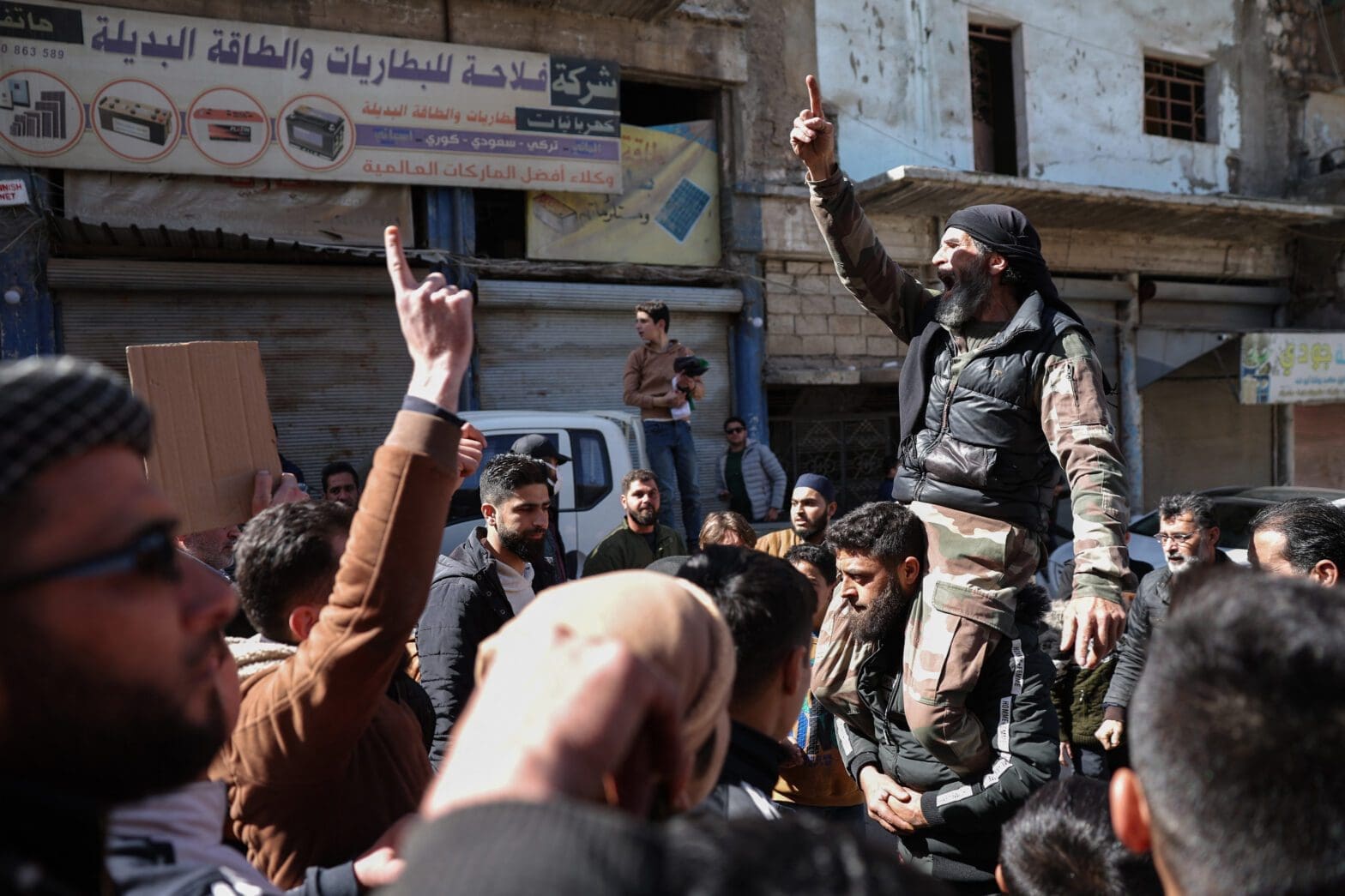
The military escalation since the start of the war in Gaza on October 7 highlights the vulnerability of the Middle East and North Africa (MENA) to a relapse of conflict, potentially in a conflagration that could engulf the region at large. Over years of devastating intra-state conflicts and proxy wars in Iraq, Syria, Libya, and… Continue reading Winning the Peace in the Middle East’s Fragile State
Regional Diplomacy Amid the War in Gaza
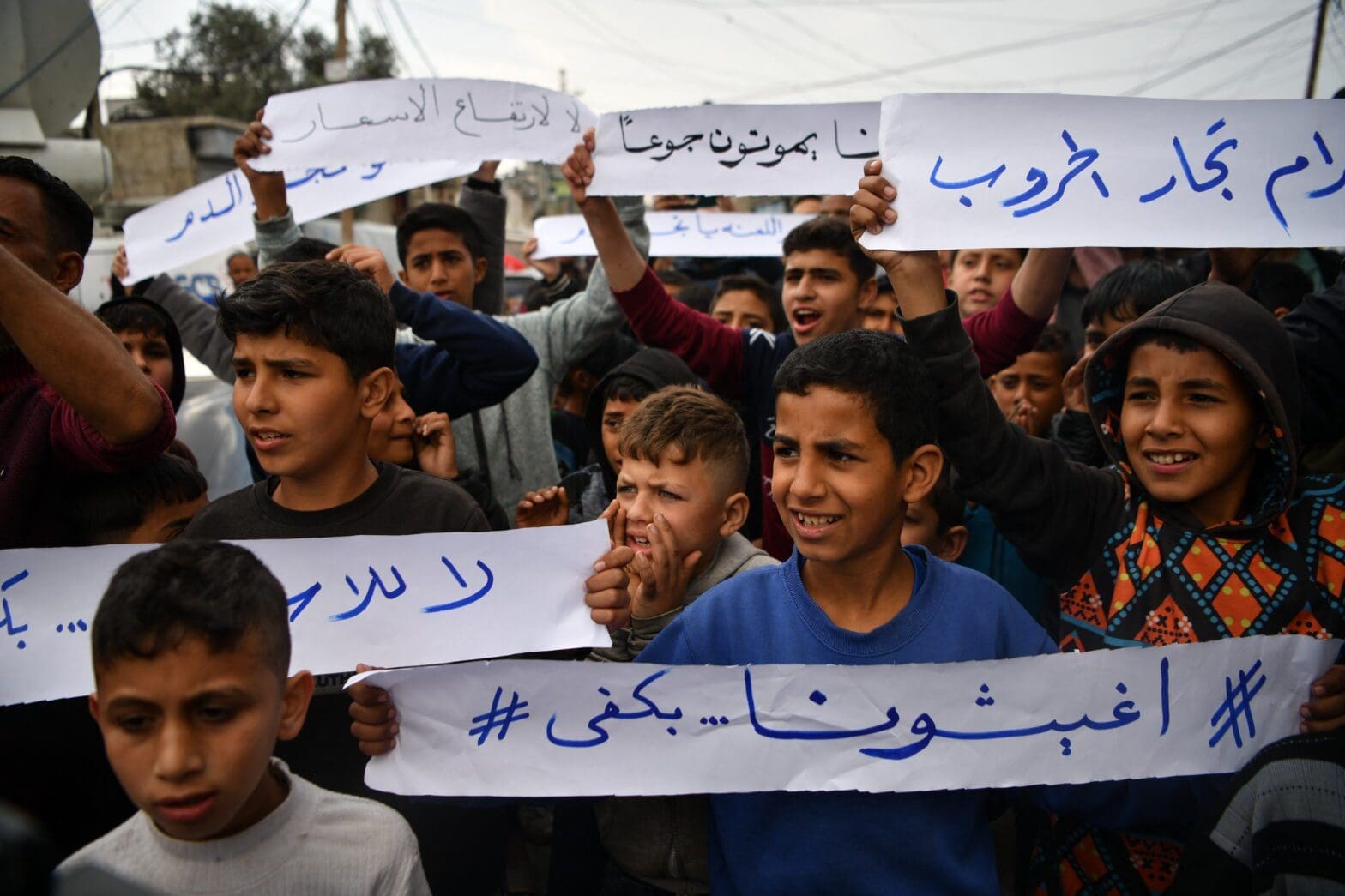
Over the past four months, Middle Eastern nations have been dismayed by the near-unconditional support from Western governments to Israel as it has bombarded and besieged the Gaza Strip and is now ramping up an assault on Rafah—a sliver of territory where more than a million displaced civilians have gathered. As a result, some have… Continue reading Regional Diplomacy Amid the War in Gaza
Türkiye Leverages Derna Relief to Reconcile with Eastern Libya
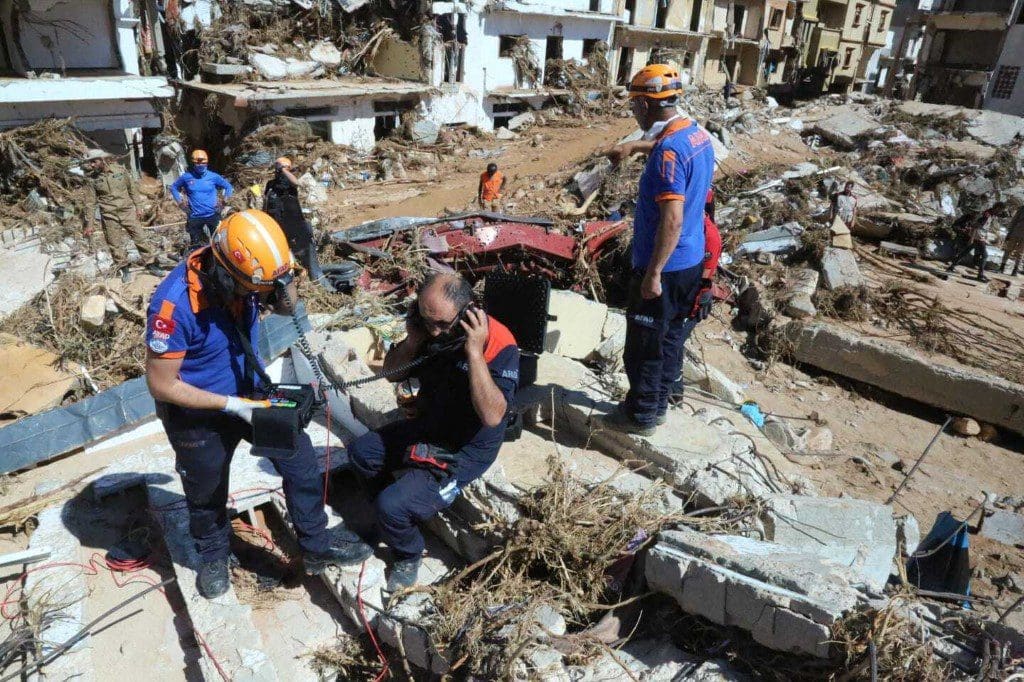
When catastrophic flooding and the collapse of two dams ripped the heart of eastern Libya’s Derna into the Mediterranean on the night of September 10, Türkiye was quick to respond. The Turkish Ministry of Defense announced that it was sending two warships to Libya carrying 360 personnel, including members of the state disaster-management agency AFAD,… Continue reading Türkiye Leverages Derna Relief to Reconcile with Eastern Libya
Erdogan’s Gulf Visit Heralds New Regional Approach

Weeks after winning a new five-year term as president of Türkiye, Recep Tayyip Erdogan visited Saudi Arabia, the United Arab Emirates and Qatar with a delegation that included nearly 200 business and government officials. The veteran leader’s first visit to the region since his electoral victory in May is the culmination of a rapid reconciliation… Continue reading Erdogan’s Gulf Visit Heralds New Regional Approach
MENA States’ Assertive Approach in the Era of Emerging Multipolarity

As American dominance of the Middle East and North Africa wanes and other world powers step up their efforts to win friends and influence there, long-time U.S. allies are becoming more assertive towards Washington and recalibrating their other ties to better secure their own interests. The growing U.S.-China strategic rivalry will profoundly impact the region… Continue reading MENA States’ Assertive Approach in the Era of Emerging Multipolarity
Interview: What Lies Ahead for Türkiye After the Elections?

1. What accounts for the election results, both in terms of Erdogan’s performance and the opposition alliance’s defeat? What will happen to the alliance now? The election results illustrate that President Erdogan’s campaign narratives of maintaining continuity in tumultuous times, his quest to make Türkiye a powerhouse in international affairs, and the fight against terrorism,… Continue reading Interview: What Lies Ahead for Türkiye After the Elections?
Will Türkiye’s Elections Produce a Change in Leadership and Regional Posture?

On May 14, Türkiye will hold its most consequential elections in decades, with implications that extend well beyond its borders. For 21 years, Recep Tayyip Erdogan has dominated the country’s politics, reshaping its identity and outlook at home and abroad, while becoming the most recognizable Turkish politician on the global stage in nearly a century.… Continue reading Will Türkiye’s Elections Produce a Change in Leadership and Regional Posture?
Rising Anti-Refugee Sentiment in Türkiye Unshaken by Earthquakes

The earthquakes that struck Türkiye and Syria in February devastated large areas of both countries, killing over 50,000 people and forcing millions from their homes. It was Türkiye’s worst natural disaster in decades. For Syrian refugees living in the area, it was a double catastrophe. Already forced from their country by war, they now found… Continue reading Rising Anti-Refugee Sentiment in Türkiye Unshaken by Earthquakes
Lessons Learned from the Türkiye and Syria Earthquake – Council Views
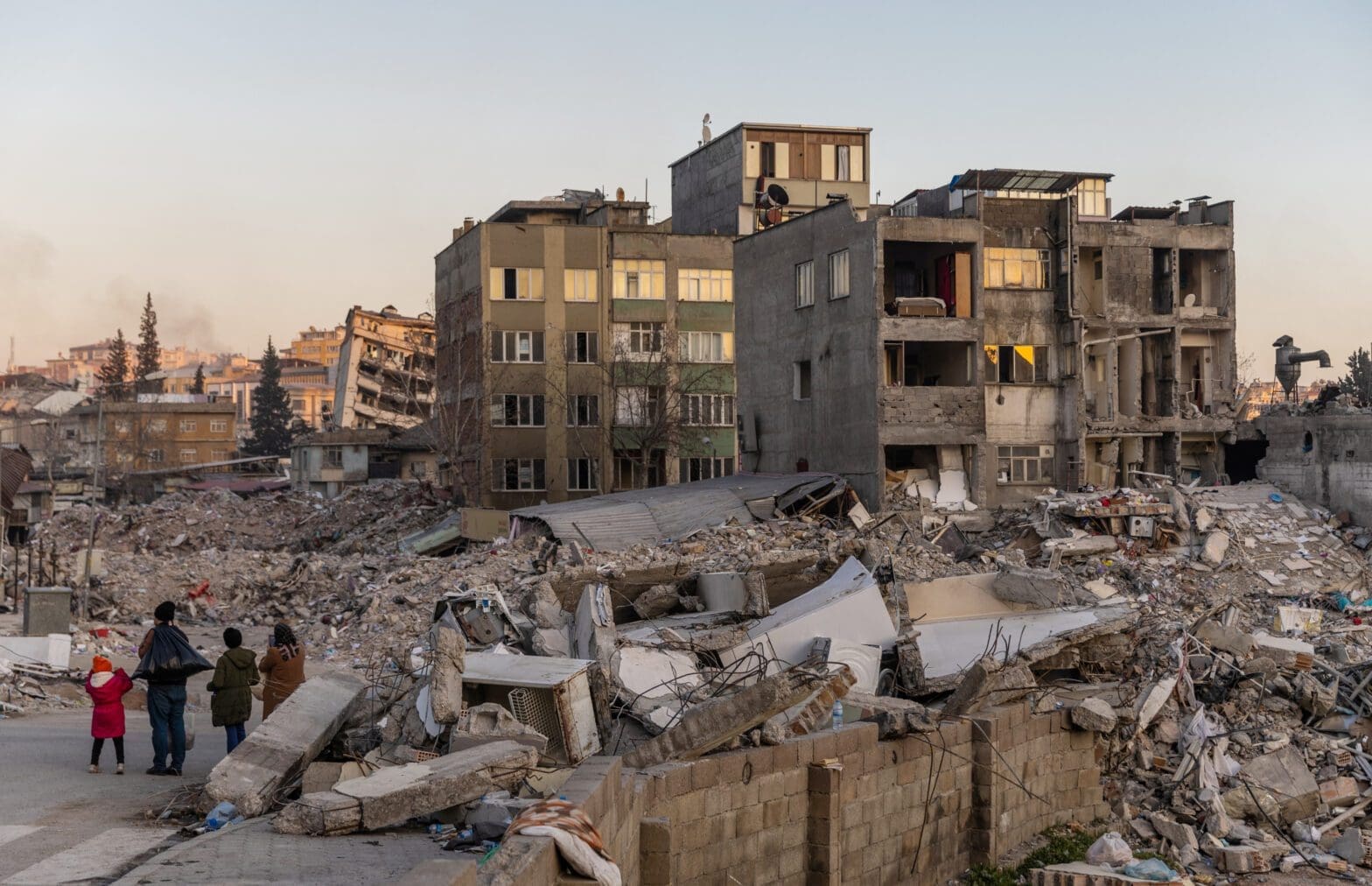
The catastrophic earthquakes and aftershocks that first hit Türkiye and Syria on February 6 have led to a staggering loss of life and infrastructure. Nearly 50,000 people have succumbed in the disaster and many more remain injured, homeless, and vulnerable as people, rescuers, and governments struggle to cope in the harsh winter conditions. In this… Continue reading Lessons Learned from the Türkiye and Syria Earthquake – Council Views
MENA Outlook 2023 – Council Views

In various ways, 2022 was arguably a positive year in much of the Middle East and North Africa (MENA) region. The COVID-19 pandemic subsided in many states and the intensity of violence ebbed in several conflict zones. Competition between regional powers receded and gave way to an increase in diplomacy and rapprochement. However, with a… Continue reading MENA Outlook 2023 – Council Views
Turkey’s post-Arab Spring Middle East policy sharpens its focus
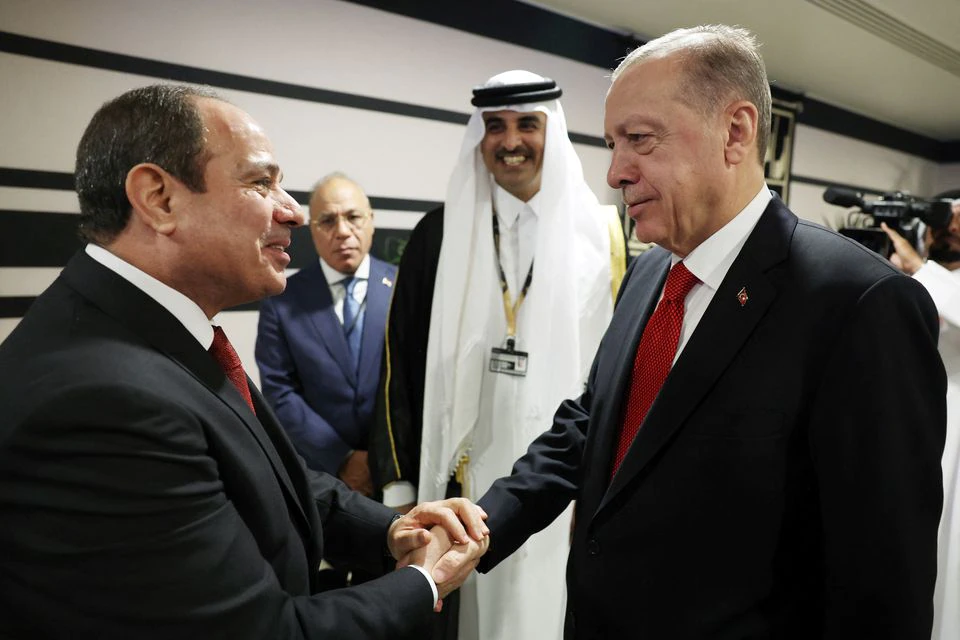
Turkish President Recep Tayyip Erdogan’s handshake with his Egyptian counterpart Abdel-Fattah El-Sissi on November 20 marked a turning point in a relationship broken for over a decade by deep differences over the Arab Spring protest movements. The same day, Turkey carried out its latest air strikes against Kurdish fighters in northern Syria, amid growing threats… Continue reading Turkey’s post-Arab Spring Middle East policy sharpens its focus
Turkey’s New Syria Narrative
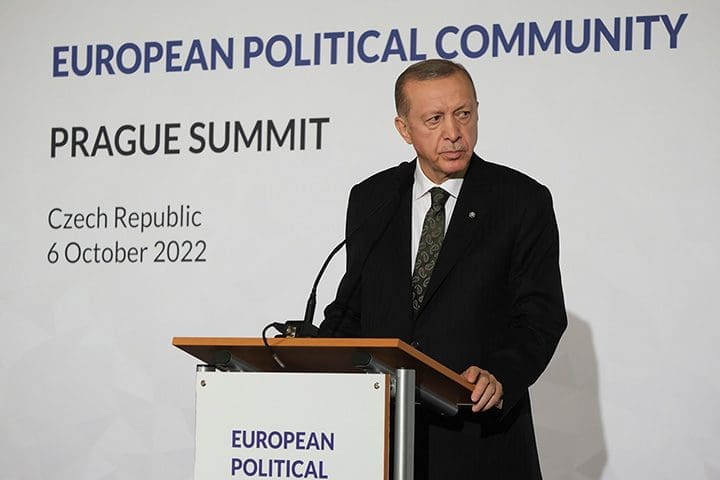
Speaking to reporters at a press conference on the sidelines of the European Political Community meeting in Prague on October 6, Turkey’s President Recep Tayyip Erdogan created diplomatic waves by stating that he could meet with Syrian president Bashar Al-Assad “when the time is right.” Erdogan’s comment was the first of its kind since the… Continue reading Turkey’s New Syria Narrative