
A Fragile Truce: Lebanon's Dilemma and Prospects for Peace
April 29, 2026
Summary
Following a first round of U.S.-sponsored negotiations between Lebanon and Israel, a 10-day ceasefire has been announced to enable further talks toward a more durable agreement, despite early reports of violations. These discussions mark the first direct negotiations between the two sides since the collapse of the May 17 Agreement, with a stated aim of reaching a peace deal and addressing the disarmament of Hezbollah. The talks follow a brief but intense escalation in early March 2026, when Hezbollah launched rockets and drones toward Israel, triggering a sustained Israeli military campaign that combined heavy airstrikes across southern Lebanon, the Bekaa Valley, and Beirut’s southern suburbs with ground operations and the expansion of a security presence inside Lebanese territory. The violence displaced over a million civilians and caused significant casualties, placing immense pressure on a country already grappling with economic collapse and weak state capacity to respond to large-scale humanitarian emergencies. The current ceasefire remains highly fragile, highlighting both the urgency and the difficulty of achieving a lasting settlement.
Against this backdrop, the Middle East Council on Global Affairs (ME Council) is convening regional experts to discuss the Israel-Lebanon war, ceasefire negotiations, and the prospects for a potential peace agreement. The discussion will explore several key questions: How are the current negotiations between Lebanon and Israel likely to evolve, and what are the main obstacles to reaching a durable agreement? Can negotiations between Lebanon and Israel succeed without directly addressing Hezbollah’s role, or does this limitation fundamentally constrain the prospects for a durable agreement? How sustainable is the recently announced ceasefire, and what factors will determine whether it holds or collapses? What mechanisms, if any, exist to enforce the ceasefire, and how significant are early reports of violations? What are the humanitarian implications of the conflict, particularly the scale of displacement across southern Lebanon and Beirut? How might the escalation affect Lebanon’s already fragile political institutions and struggling economy? And what role might regional and international actors, including Iran, Israel, and the United States, play in shaping the trajectory of the conflict?
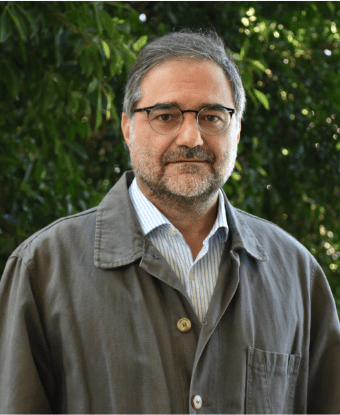
Moderator
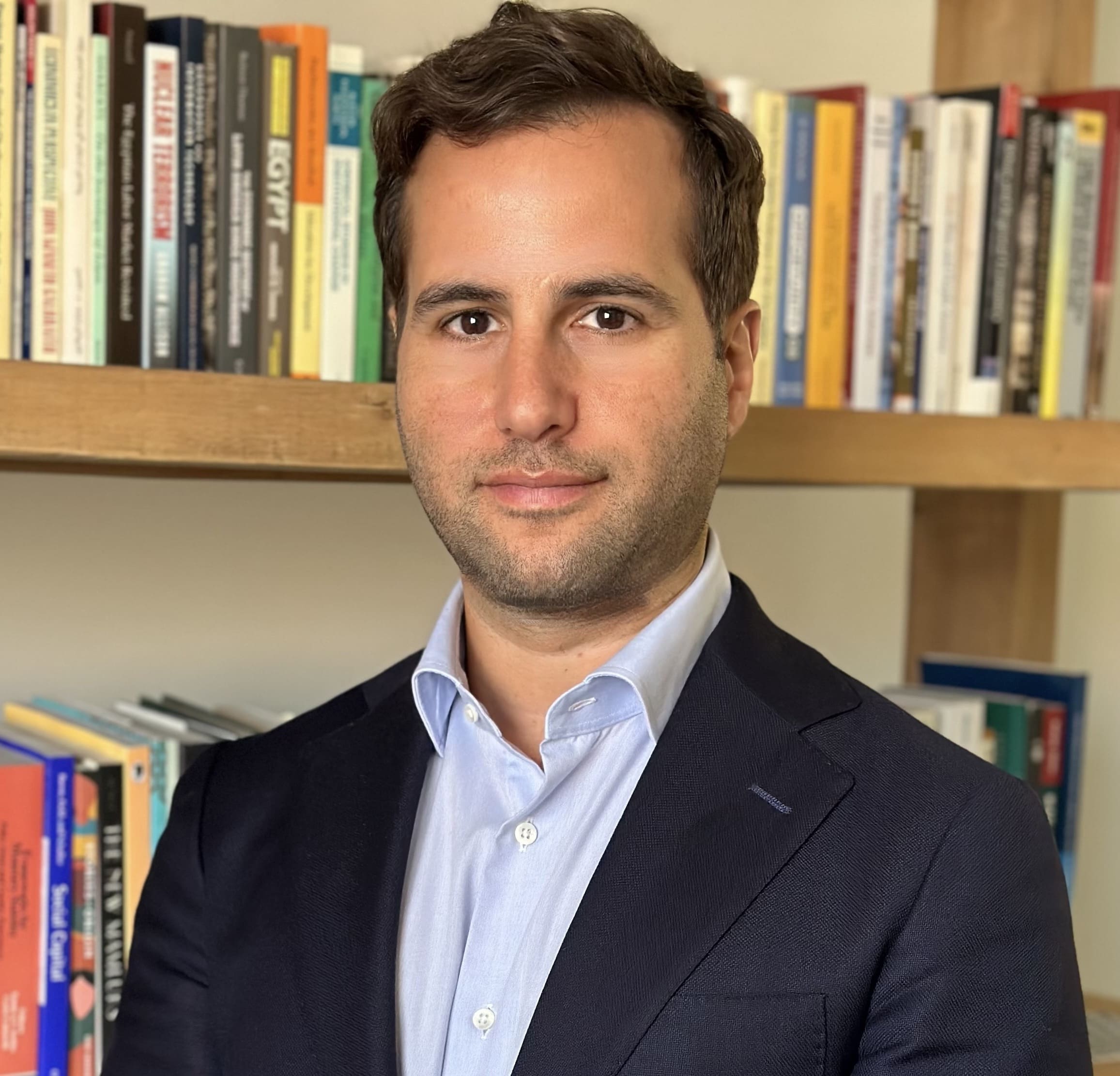
Fellow
Speakers
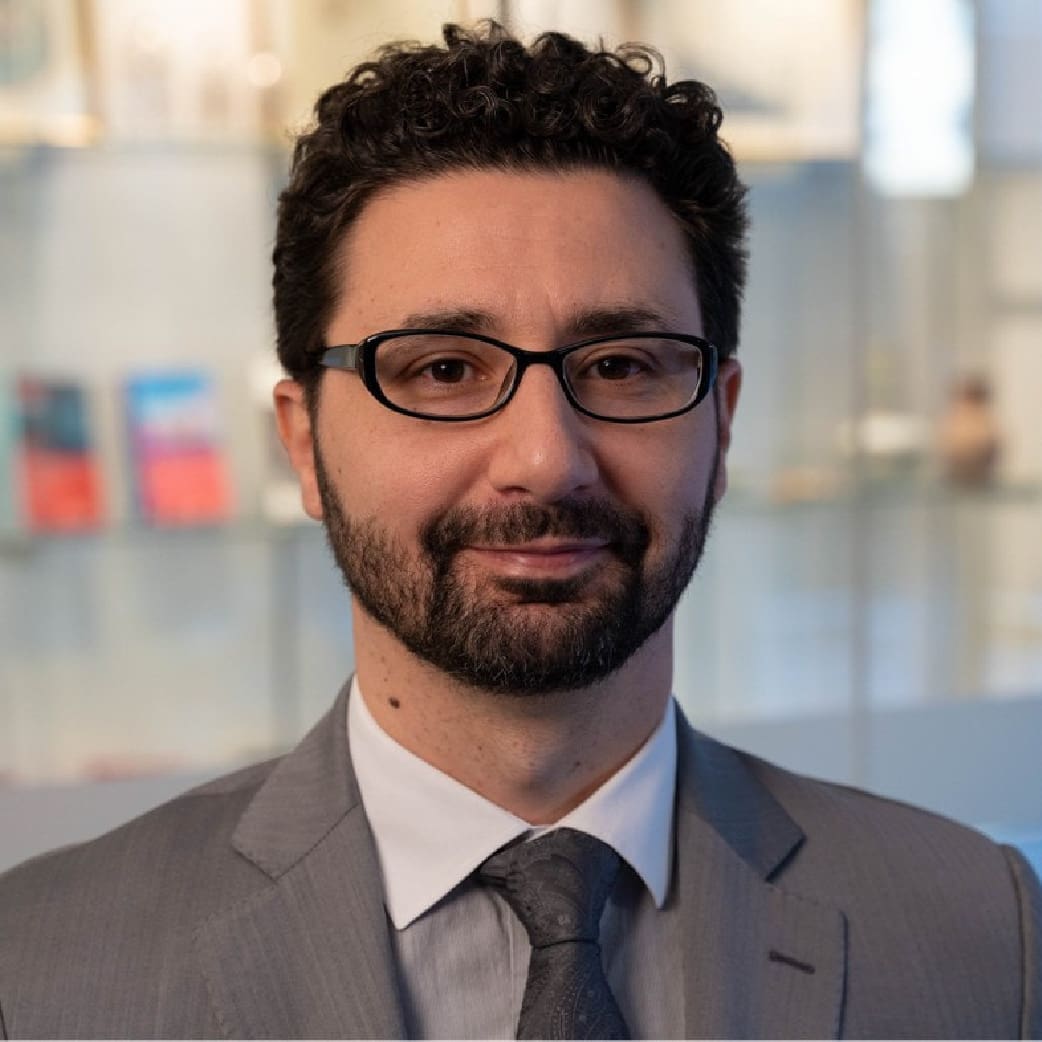
Bilal Y Saab
Senior Managing Director, TRENDS US
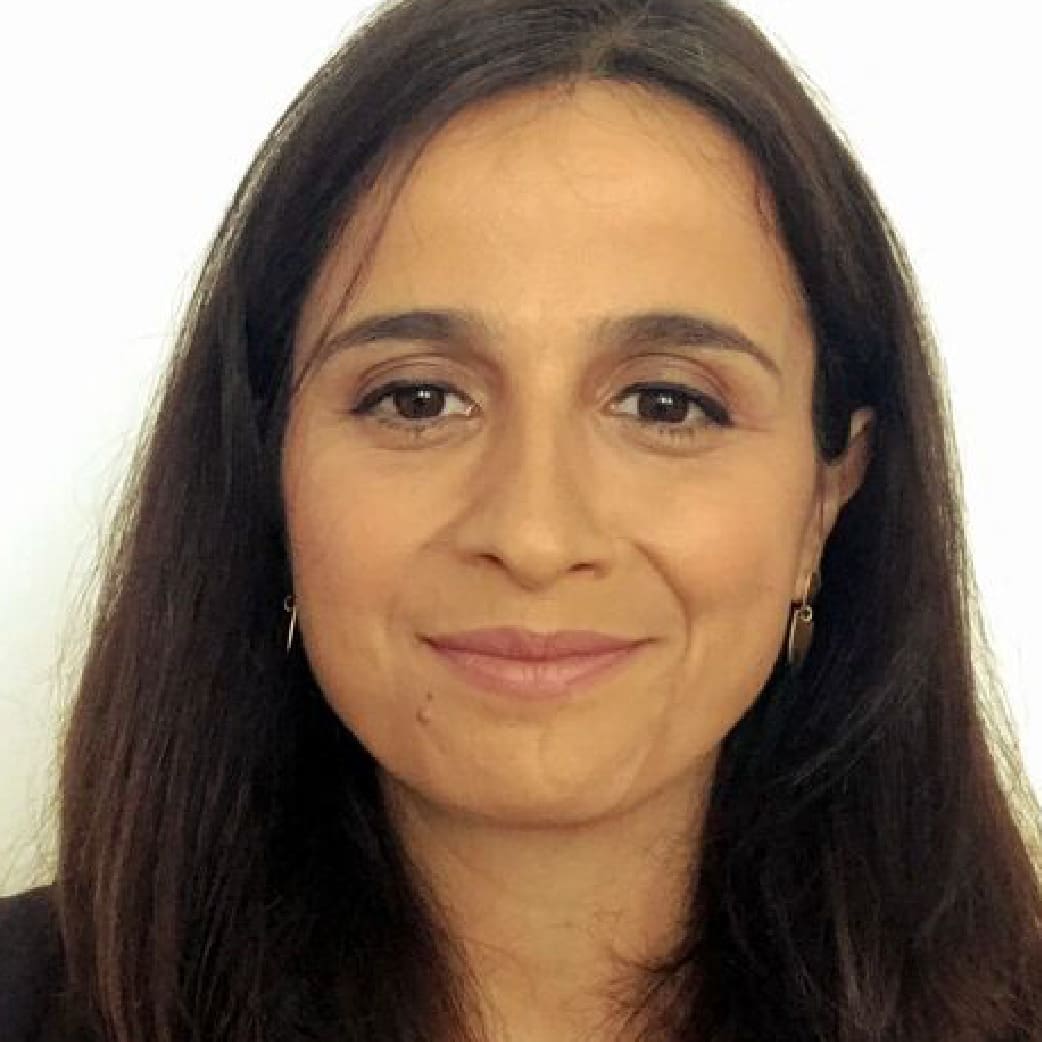
Joyce Karam
editor-in-chief, Al-Monitor