
Trump’s Gamble: The Political Risk of Iran War
April 22, 2026
Summary
The United States President Donald Trump’s decision to launch a war in the Middle East during an election year could have a decisive effect on the midterm electoral outcome in November, and therefore on the remainder of Trump’s second term in office. As the U.S.-Israel-Iran war continues into its second month, public opinion has become an increasingly important battleground, with rising energy prices and inflationary pressures shaping domestic perceptions of the conflict in the United States while reactions across the Middle East influence the broader regional environment in which the war is unfolding.
In this context, the Middle East Council on Global Affairs (ME Council) is convening a panel of experts on U.S. politics and public opinion to examine how the Iran war is shaping domestic political dynamics. The discussion will explore key questions, including: How is the war affecting voter sentiment among Republicans, Democrats, and independents? How is the conflict being perceived across the Middle East, and what impact might regional public opinion have on the trajectory of the war? To what extent could rising energy prices and inflation alter public support for the administration’s foreign policy? How are political elites and media narratives in the US and the MENA region framing the conflict on both sides of the aisle? Could domestic political pressure shorten or prolong the war? And what might the political fallout of the conflict mean for Trump’s electoral prospects in November and the remainder of his presidency?
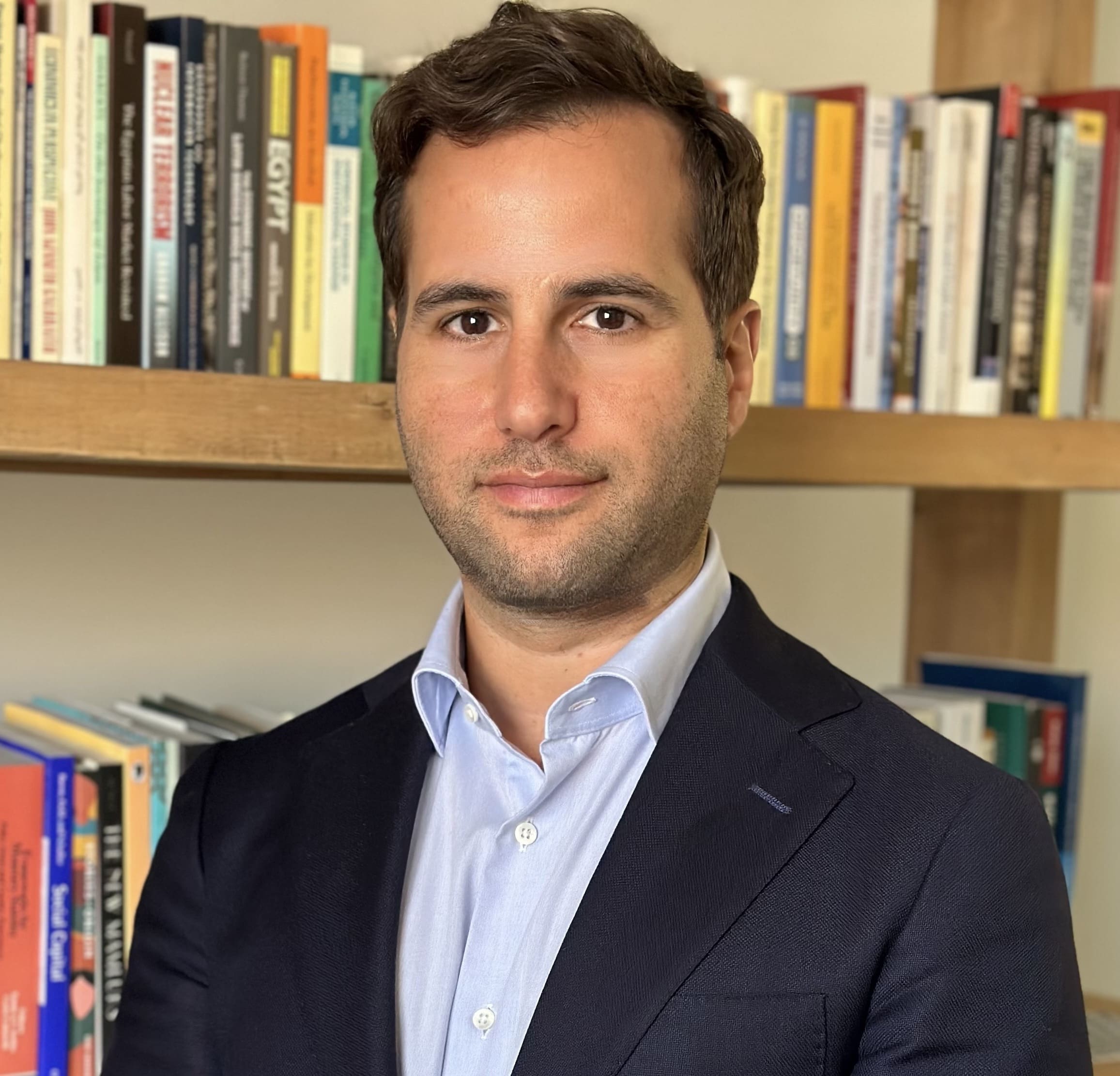
Moderator
Fellow
Speakers

Dylan Williams
Vice President for Government Affairs, Center for International Policy
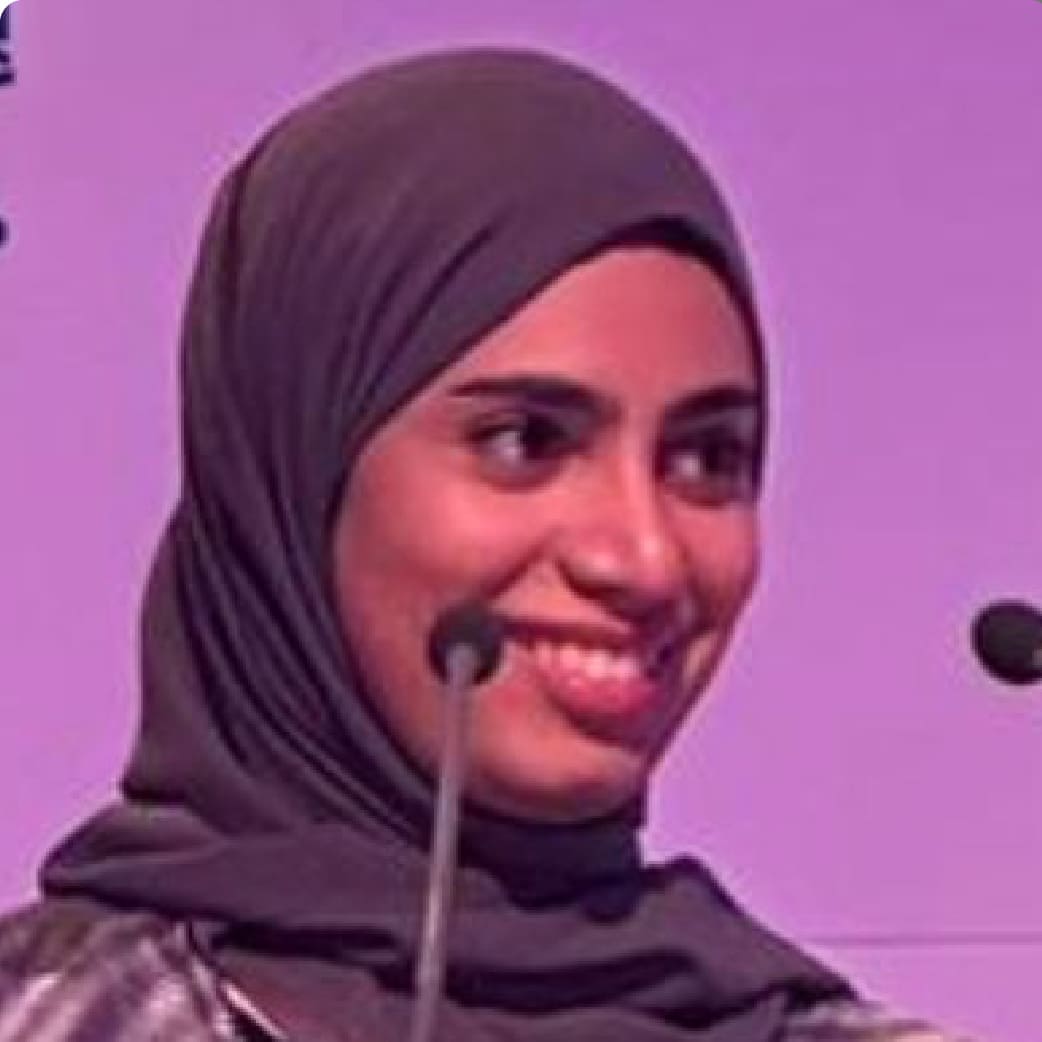
Alanoud Hamad Saud Al Thani
Nonresident Fellow, Middle East Council on Global Affairs

Dina Smeltz
Managing Director & Chair, Public Opinion and Foreign Policy, Chicago Council on Global Affairs