Navigating Uncertainty: Japan–GCC–U.S. Cooperation in an Evolving Middle East Order
February 2, 2026
Summary
The global geopolitical landscape is undergoing rapid changes, increasingly felt by the Middle East. Uncertainties surrounding the second Trump administration, ongoing regional conflicts, intensifying great power competition, and rising regional tensions have compounded international volatility, leaving a complicated future. Deep interdependence between East Asia and the Middle East means continued regional instability will have profound consequences for East Asia. Simultaneously, Washington’s growing focus on China’s expanding influence in East Asia signals a potential retrenchment from the Middle East. This creates a complex challenge for Japan: ensuring regional stability in East Asia and a secure energy supply from the Middle East. These dynamics underscore the need for cooperation between Japan and the Gulf, with the United States playing a central role given its longstanding alliances with both regions and an existing foundation of cooperation across trade, investment, energy, AI, critical minerals, supply chains, and tariffs.
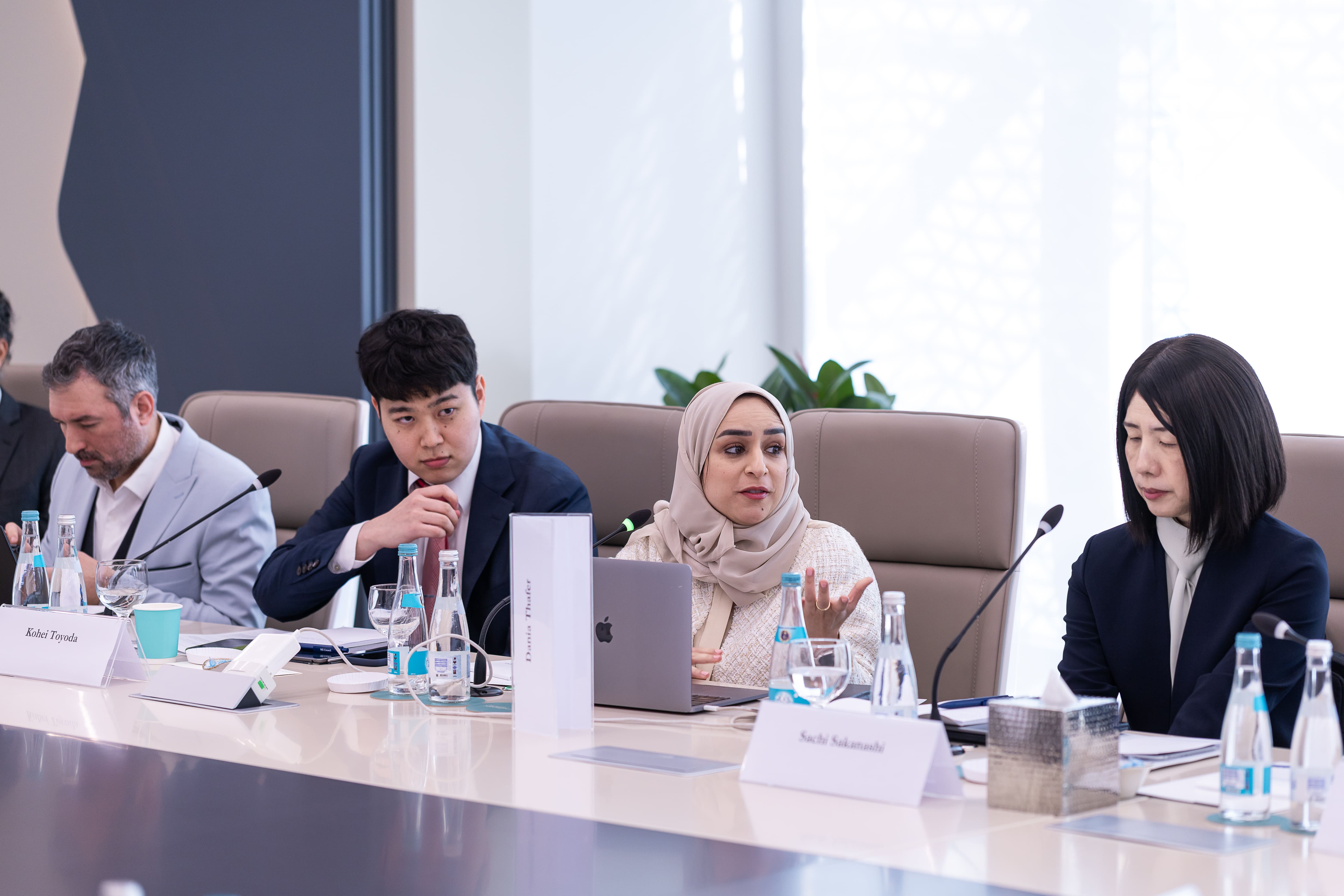
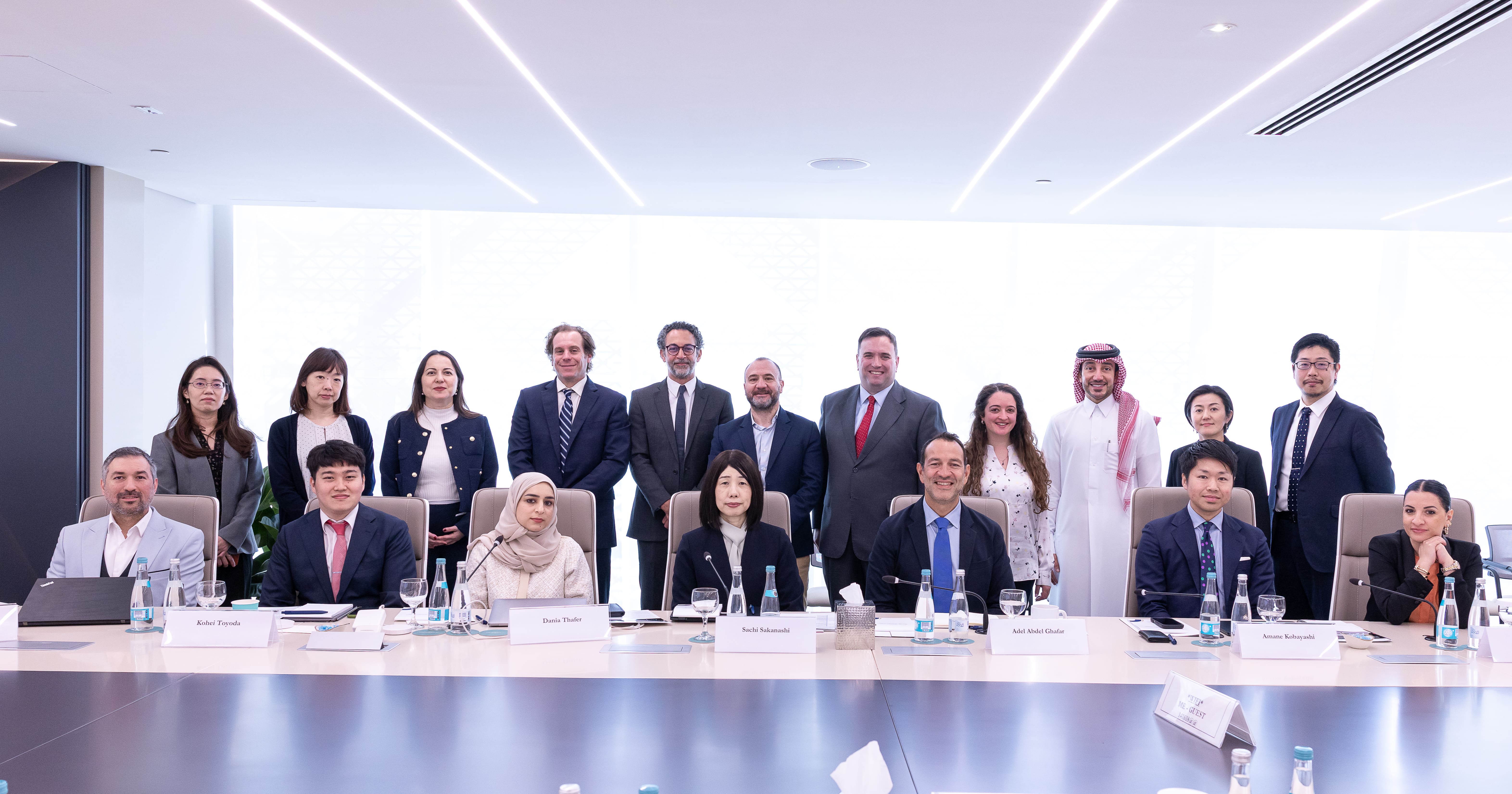
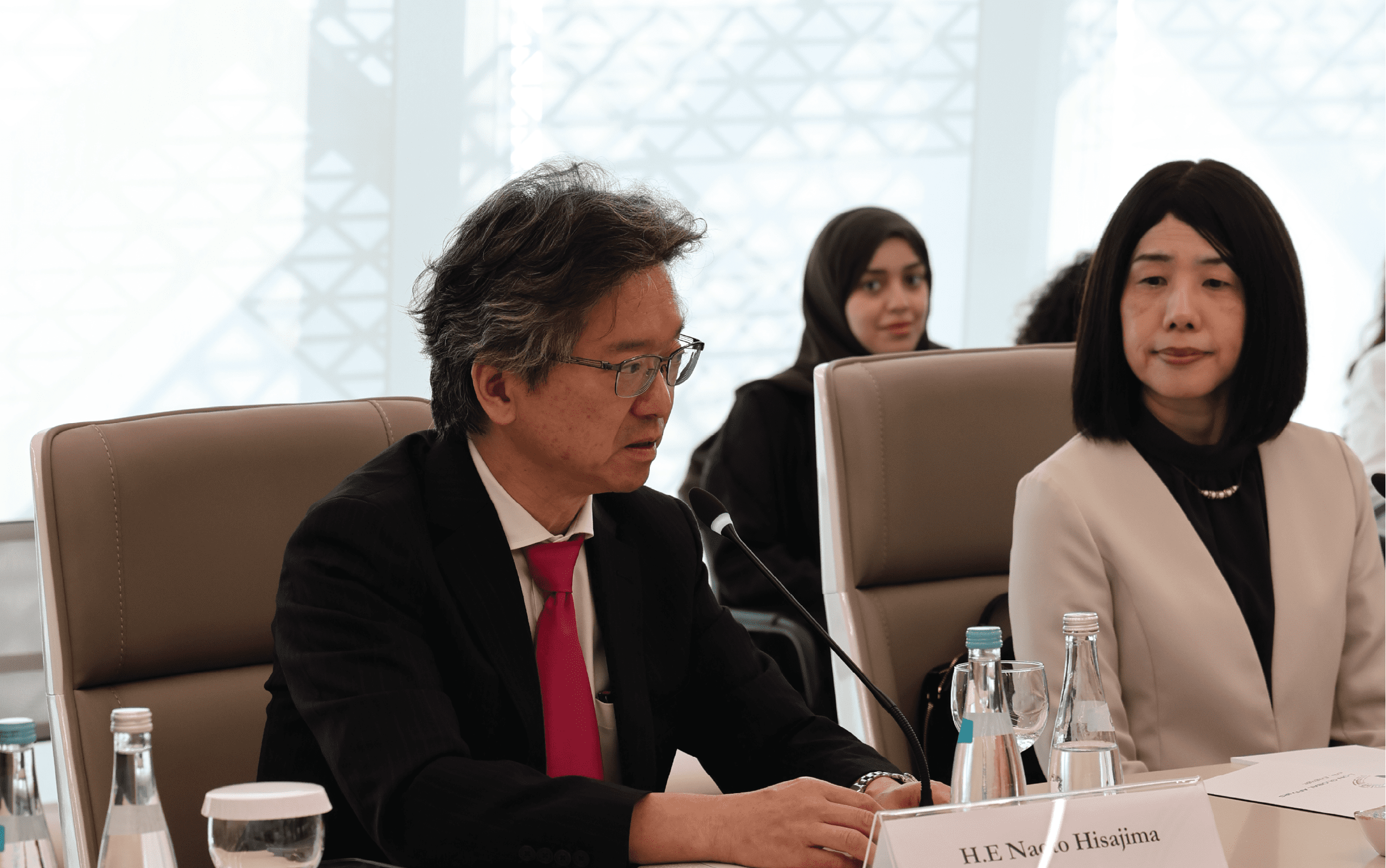
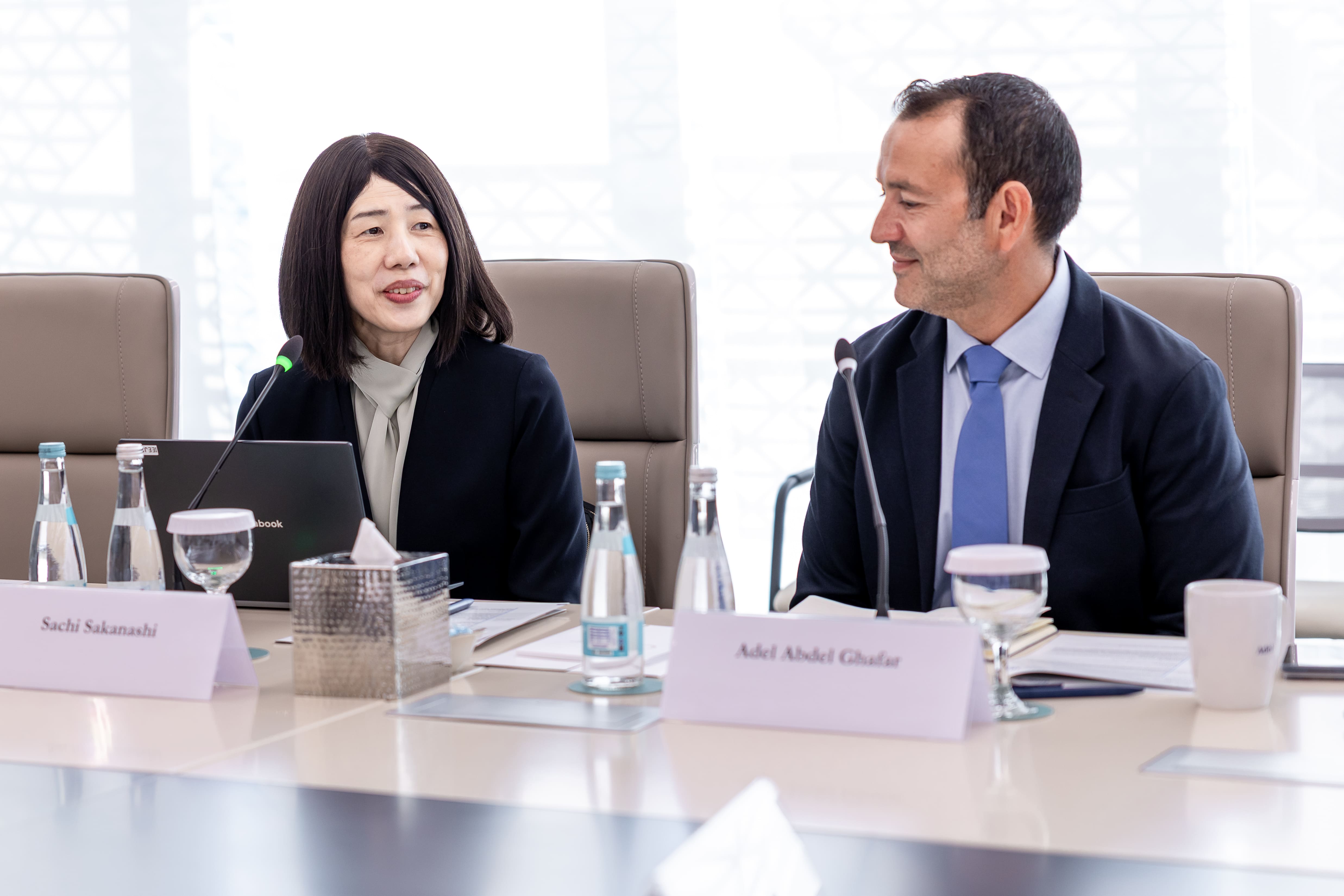
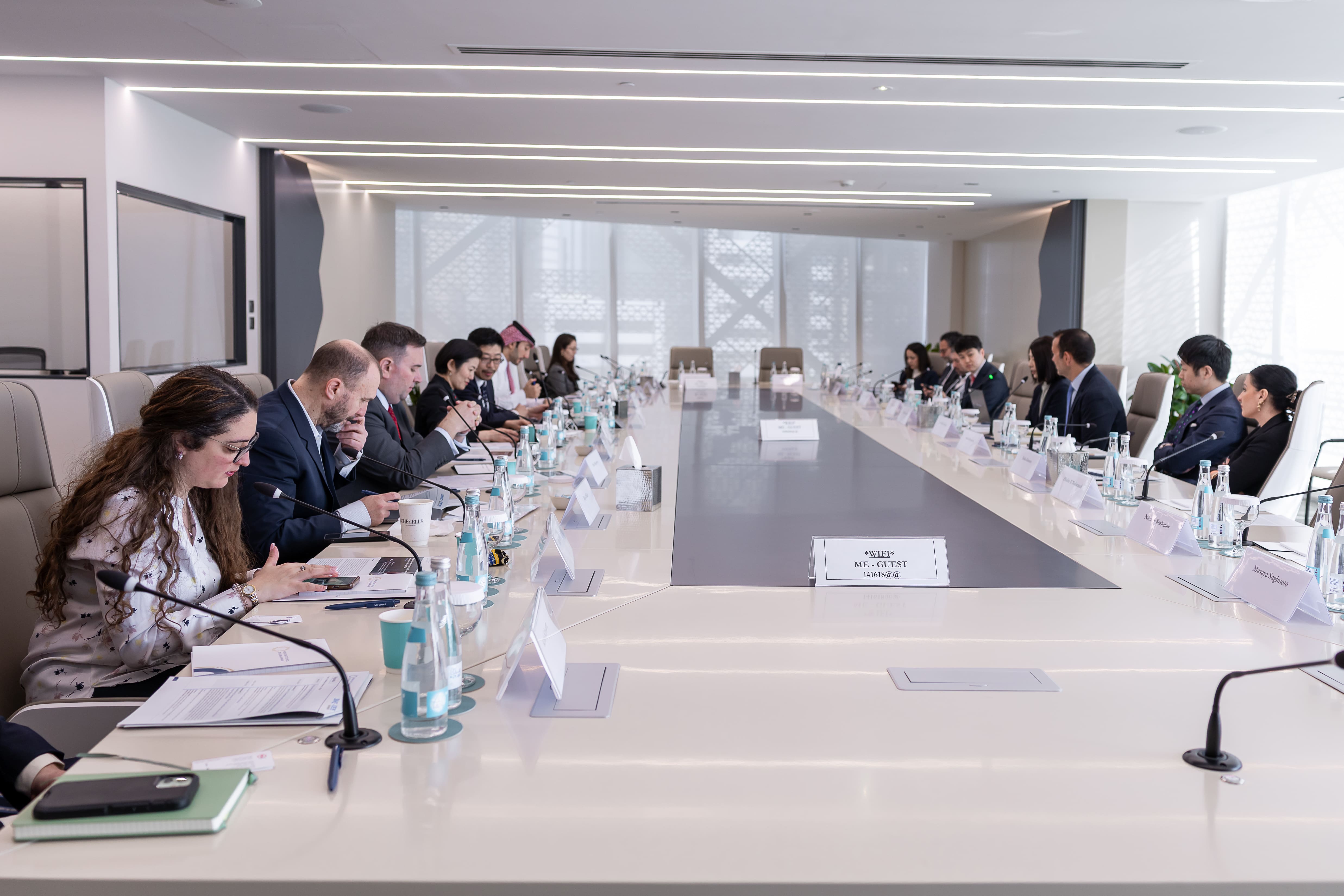
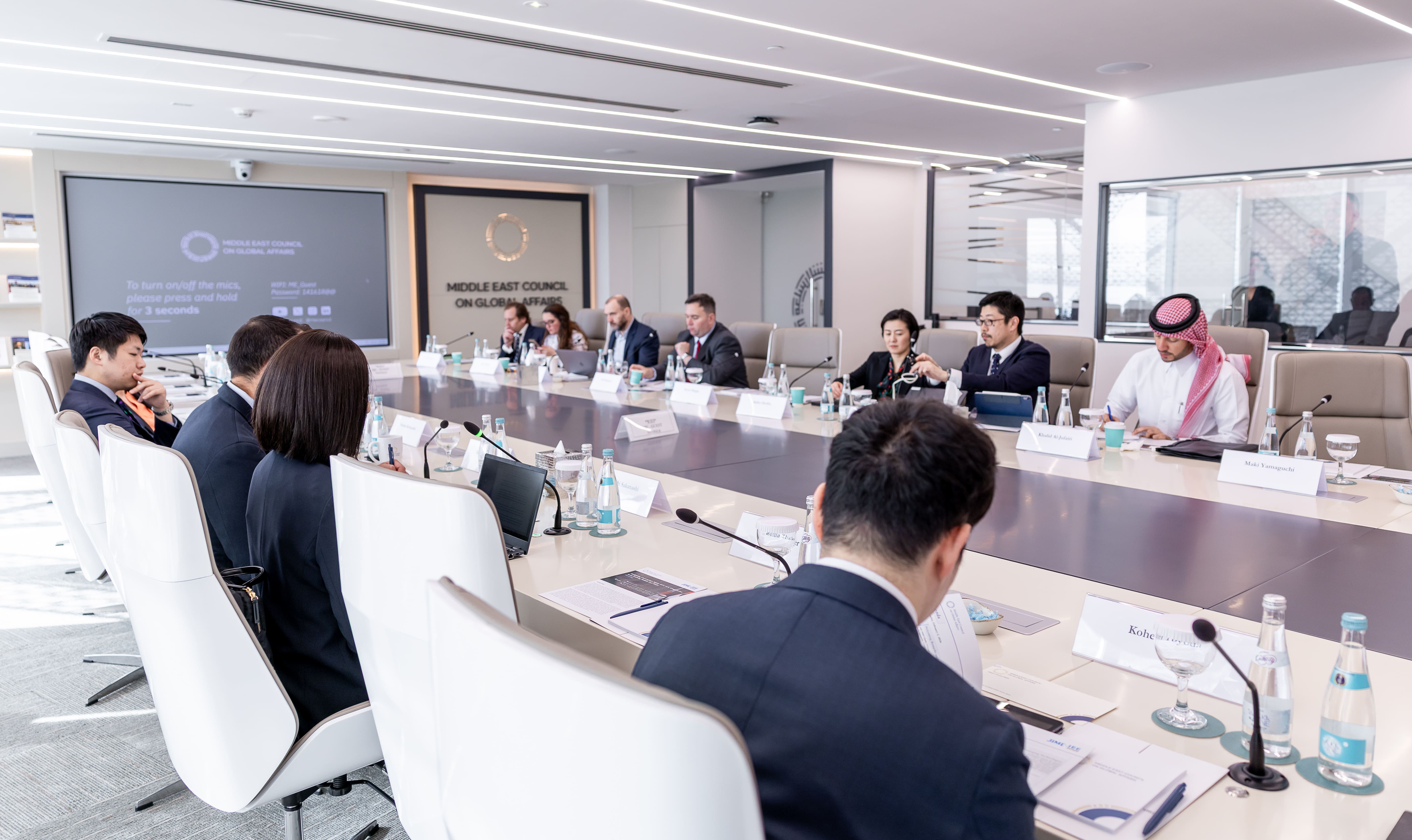
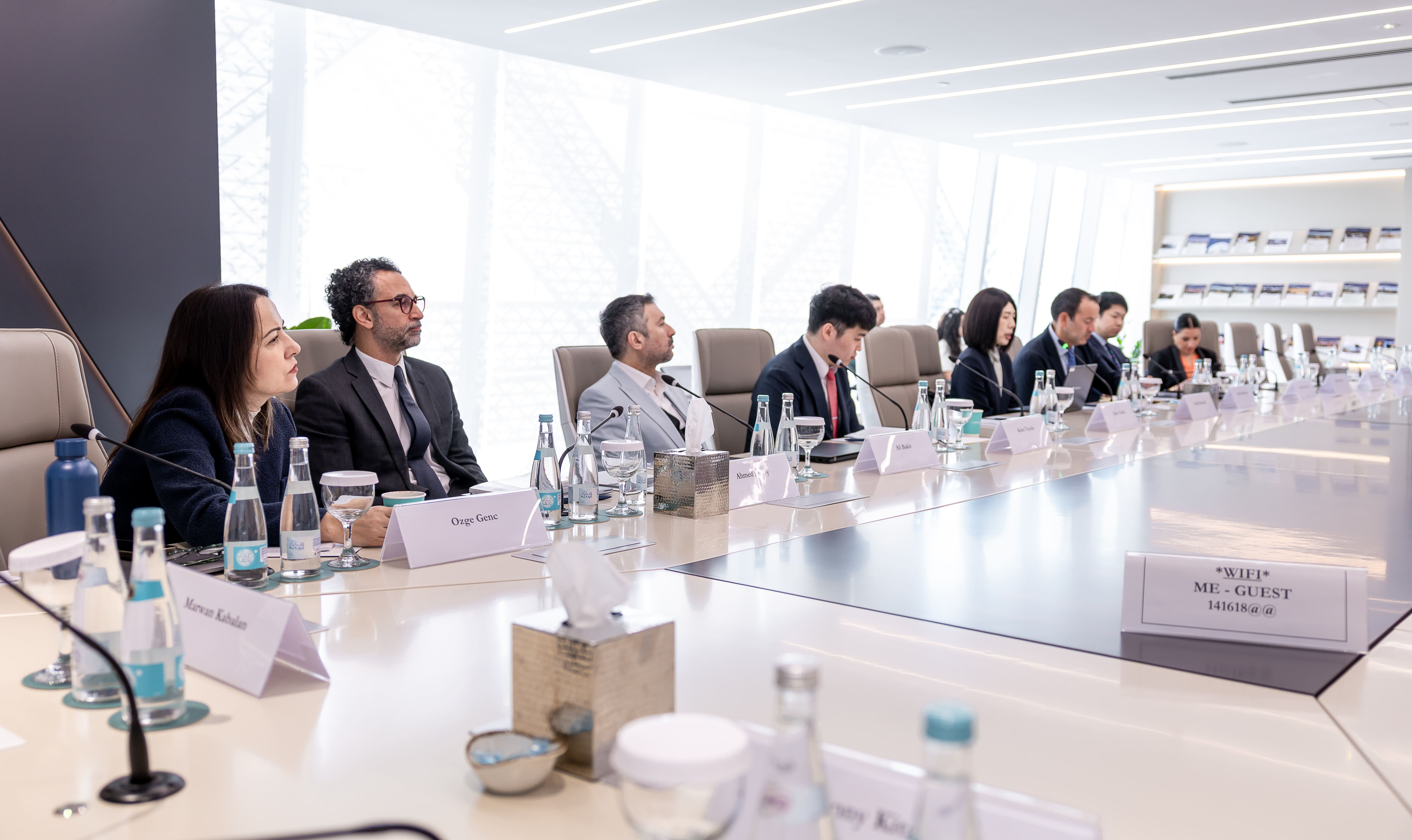
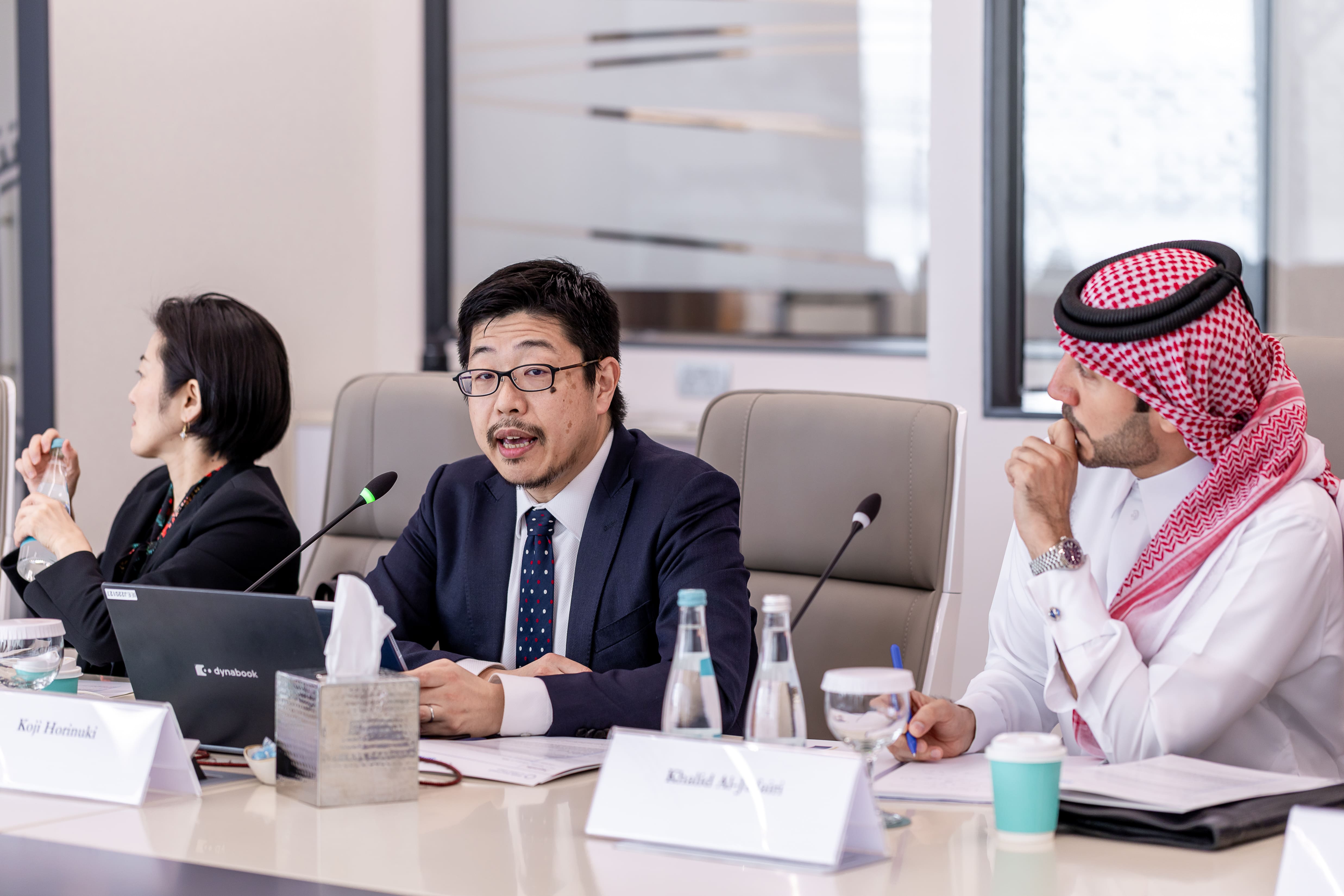
To explore these dynamics, the Middle East Council on Global Affairs, in partnership with the Japanese Institute for Middle Eastern Economics (JIME) Center, convened a workshop of experts, held under the Chatham House Rule, to examine the role of Japan-GCC-US trilateral cooperation in an evolving global order. Participants tackled issues of economic and political cooperation amidst growing global shifts, assessed the risks of great power competition extending into the Middle East and East Asia, and addressed the opportunities and challenges to the development of trilateral cooperative frameworks.
Gallery