

Gulf Climate Action: Strengthening Mitigation and Adaptation Measures:
Panel 1
October 21, 2025
Summary
The Gulf countries have made sustainable development and climate action cornerstones of their national visions and strategies and have set ambitious targets and deployed a wide range of initiatives. From expanding the generation of renewable energy, particularly solar and nuclear power, to improving energy efficiency through incentives and regulations, to exploring new technologies like carbon capture and storage and hydrogen, Gulf states are relying on a wide variety of initiatives to pursue their climate mitigation strategies. Moreover, Qatar has made substantial contributions to global decarbonization efforts through its export of less carbon-intensive liquefied natural gas. These efforts aim to help Gulf countries meet climate targets while balancing continued hydrocarbon production. Gulf countries have also taken the lead in developing climate adaptation measures. As the region deepens its climate engagement, there is an opportunity to shape a compelling narrative that reflects Gulf perspectives on the challenges and opportunities presented by climate change.
In support of elevating the narrative around climate action in the Gulf and in preparation for the 2025 United Nations Climate Change Conference (COP30), the Middle East Council on Global Affairs, the UNESCO Regional Office for the Gulf States and Yemen, and Qatar Ministry of Environment and Climate Change and Qatar Debates convened a UTalk event featuring two complementary panel discussions. The first panel convened a group of scholars and policy practitioners from the Gulf and globally to discuss the progress made towards achieving goals and explore policy alternatives for augmenting ongoing mitigation and adaptation efforts, with a focus on the leadership positions the Gulf has taken on climate mitigation and adaptation. The second panel engaged a group of young climate-informed activists from Qatar to discuss climate challenges and solutions from a Gulf perspective.
Expert Panel
Talha Mirza: Program Manager, Earthna
- The common issues across the GCC such as hot and arid climate, extreme and high levels of weather change, water scarcity and rapid urbanization, loss of coastal biodiversity and the dependency on that coastal ecosystem should be improved collectively through focused policies, economic models and systems that improve energy efficiency, restoring the ecosystem and marine life.
- Targeted and tailored approaches best address the regional needs, as the climate context does not fit into the “saving forests” narrative. In the case of the Gulf, it should be “save the oceans.”
- Investing in tailored approaches can also allow the GCC to create their IP in the field, innovate new technologies, and share knowledge for countries sharing similar hot and arid environments.
- There is no economic tradeoff between improving the climate context and the economy. Steps taken in reaching the climate goals can help diversify the economy, allowing sustainable growth and more nuanced forms of wealth creation and perception.
- Earthna has already taken steps in blue-economy, such as the “Summer Blue-Economies for Coastal Resilience Program” which was in partnership with the MENA Oceans Initiative from the UAE.This long term initiative serves as an example of collaborative regional investment, and the goal of creating research reports on what and how things need to be done.
Ola Altera: Chief Executive, Swedish Climate Policy Council
- Qatar and Sweden share similarities in their creation of wealthy and prosperous nations whose strong economic reliance on fossil fuels maintained its sustenance in harsh environments. To ensure the longevity of their nations, both countries are taking steps to enter new phases in their economic and social development policies regarding the impending dangers of climate change.
- Sweden’s case of early climate adaptation since the early 1900s and the success in achieving, and even surpassing those goals, can be an example for the Gulf region to set their concrete goals, take the needed action and the indirect effect of this chain of action onto innovative solutions.
- Qatar can invest in diversifying its economy and increase the use of renewable energy sources in electricity production and electricity run transportation sectors, while increasing their gas exports. Long term investments should be made in carbon capturing and recycling technologies, effectively used in Sweden.
- The Nordic electricity alliance market, which includes Sweden, Norway, Denmark, and Finland, can also serve as an example of effective regional cooperation and investment in renewable energy sources, which maximizes the energy efficiency of each country.
Dhabia Al-Mohnnadi: Associate Professor, College of Science and Engineering, Hamad Bin Khalifa University
- Qatar is living in the post-climate change world; having seen extreme effects of climate change, be it through the temperature fluctuations, unseen levels of rain or the effects on the food supply chain.
- Qatar has relied on hydrocarbons to sustain life in the non-inhabitable climate of the country, combating low soil quality and lack of water resources. Yet their approach has been adaptive, with a successful energy adaptation history as recent as the 1990s and early 2000s when Qatar shifted from oil based to gas based economy. While the changes happened due to necessity, they still showcase Qatar’s capacity and willingness to change its energy sources.
- The region’s priority should be investment in technologies and systems that work with the climate context. Carbon capture proves more effective than initiatives such as nature capture due to Qatar’s limited natural greenery, poor soil quality and arid air.
- A positive step towards integration and bridging of science and policy in climate change is through setting quota systems and long-term investments across sectors such as agriculture and energy while also developing innovative methods of climate resilience building, modelled after the European initiatives.
- Regional cooperation and alignment in detection and protection of the climate not only creates easy channels of knowledge transfer but also gives more weight to the issue in the international arena.
Anasse Bouhlal: Programme Specialist, Higher Education
- The narratives around the best practice in addressing the issue of climate change should be analyzed through its compatibility with the regional context. UNESCO is contributing to the facilitation of discussions on the compatibility of the narratives present and lessons that can be learned from them.
- Alarmingly, 100 countries in the world do not include climate change in their curriculum and there is very little willingness on the part of the instructors to teach about the topic as well. Similarly, 70% of the youth cannot explain climate change, exhibiting the educational shortcomings and the urgency with which it should be addressed.
- Climate change responses are not purely for economic but also environmental and educational reasons as well.
- Best practice in the climate resilience building is knowledge sharing, collaborative approach and skill building.
Additional – Q&A
- Earthna’s long-term Mangrove restoration project in collaboration with the ministry of environment and climate change and MSE Foundation, has so far planted 90,000 mangrove plants around Qatar in the two years since its launch.
- Solar systems are present in Qatar with 1gw installed with 1gw being installed by 2029 which will then increase the country’s renewable capacity to 30% , with the country’s plan being on utility scale plans and as such smaller residential panels are not seen around the cities due to the majority rental housing complexes. Citizen households are implementing solar systems in their secondary houses and farms.
- GCC has invested in humanitarian aid projects regarding climate change such as the Qatar Fund for Development building schools with solar and building smart fisheries near Nairobi with the sustainability aspect being the priority.
- Climate migration is difficult to quantify since they come from areas of security conflict where it intersects and blurs the line between the economic, climate, and security migration..
- Lack of education results in a lack of skills in the market to enforce the new policies and implement economic plans. Increasing the skills levels and investment in capacity building can help, ministries of education and higher education can invest in this area.
Youth Panel
Hessa Al Noaimi – Co-founder, Arab Youth Climate Movement Qatar
- The GCC faces a dual challenge: confronting climate threats while capitalizing on the green transition.
- The region has the resources and political will to become a pioneer in clean energy and climate diplomacy, provided its strategies are multi-sectoral and evidence-driven.
- Initiatives such as the Household Carbon Footprint App, developed to teach schools and families to measure and reduce emissions, serves as examples of the region taking the necessary steps.
- Youth-led NGOs lack institutional funding, which calls for clear financial frameworks that support civil society contributions to climate policy.
- Stronger cooperation between ministries, embassies, and the private sector can turn commitments into measurable outcomes.
Oweis Al-Salahi Global Advocacy Coordinator / Founder, SDGeneration Network, Qatar Fund for Development
- The region needs to localize Gulf climate strategies, rather than import foreign models.
- Extreme heat, water scarcity, and rapid urban growth are the region’s key vulnerabilities, and urgent investments in R&D for local adaptation technologies should be a priority.
- Youth-led entrepreneurship must be at the center of the transition, with governments channeling funding into green innovation and climate finance.
- Economic growth and climate action serve to sustain one another.
Nisreen Elsaim – Director, Youth Alliance for Local Adaptation and Peace; Former Chair, UN Secretary-General’s Youth Advisory Group on Climate Change
- Environmental protection is human protection, and the term “natural disasters” is misleading.
- Lack of continuity between climate conferences and rushing from one conference to another hinders the implementation of their goals.
- Gulf states need to reclaim ownership of past milestones, such as the Doha Work Programme, and embed accountability and timelines into their future plans.
- Climate change initiatives are instances of “growth” that prioritizes human welfare and intergenerational justice, and ensuring integration across ministries—so that youth, environment, and economic agencies work toward shared goals rather than in isolation.
Meaad Aljassim – Environmental Engineer, Activist, and International Climate Specialist
- The next phase of Gulf sustainability must be built on education, STEM innovation, and digital transformation.
- Bolder policies are required that embed sustainability into national development strategies and create green employment pipelines for the next generation.
- Sustainability should not be treated as a constraint on growth but as the foundation of long-term competitiveness.
Talal Ahmed – Outreach Coordinator and R&D Officer, Arab Youth Council for Climate Change
- A data-driven perspective shows that 70% of MENA youth view climate change as a critical issue, and half are already engaged in environmental initiatives
- There is a need to create a Gulf-wide Youth Climate Diplomacy Platform—a unified mechanism to align national youth strategies, coordinate research, and strengthen Gulf representation in global climate forums.
- Regional collaboration should extend beyond state actors to include civil society, youth-led networks, and researchers, ensuring policy coherence and shared ownership.
Q&A
- Sustainability is a moral duty, rooted in stewardship and Islamic environmental ethics. Values must guide policy as much as economics.
- Addressing consumption patterns ensures that once producers make adequately needed quantities for consumers and when consumption is reduced, emissions will follow.
- Acting rationally instead of acting fast might yield more sustainable results, since the climate movement must balance urgency with careful planning.
- The “zero-to-zero dilemma” (zero emissions with zero financing or coordination) presents a false binary which raises the need for harmonization of climate data, technology and research efforts.
- Building measurable frameworks, publishing transparent progress reports, and uniting Gulf NGOs under shared regional metrics are key next steps.
Moderators

JD – Senior Debate Instructor, QatarDebate Center
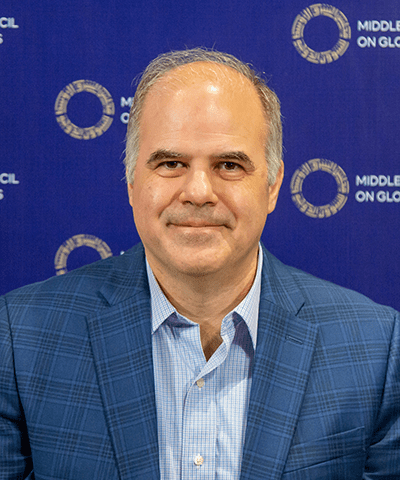
Senior Fellow and Program Director
Speakers
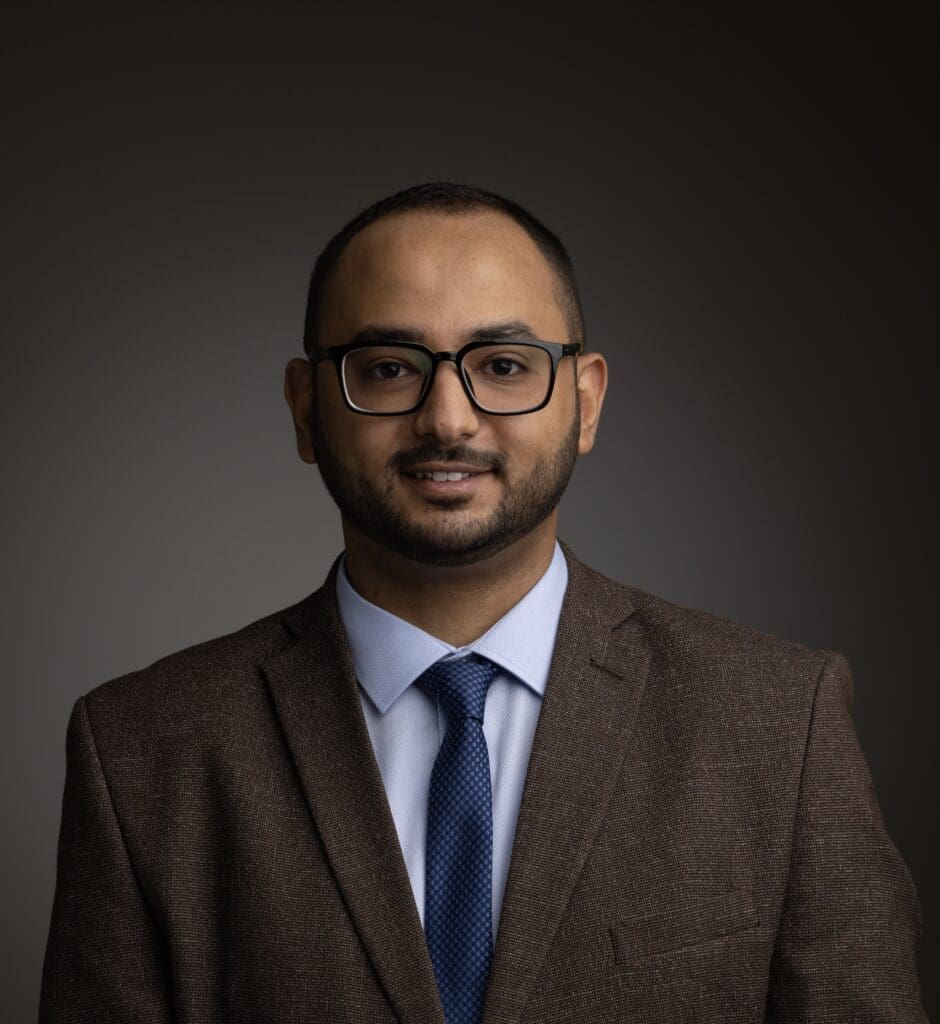
Talal Ahmed
Outreach Coordinator and R&D Officer, Arab Youth Council for Climate Change
Anasse Bouhlal
Programme Specialist, Higher Education and TVET, UNESCO
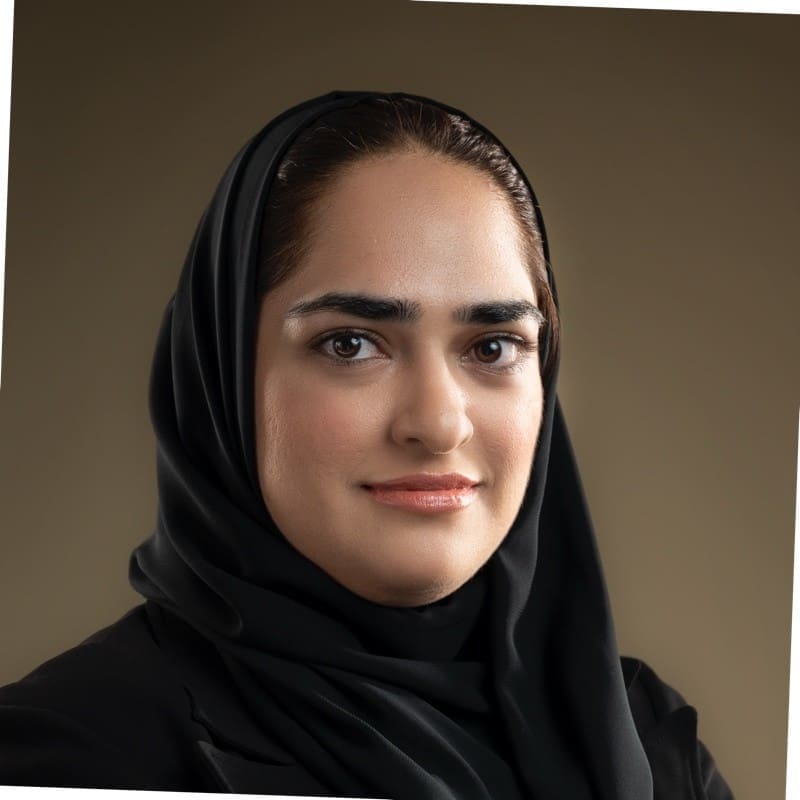
Meaad Aljassim
Environmental Engineer, Activist, and International Climate Specialist

Nisreen Elsaim
Director, Youth Alliance for Local Adaptation and Peace; Former Chair, UN Secretary-General’s Youth Advisory Group on Climate Change
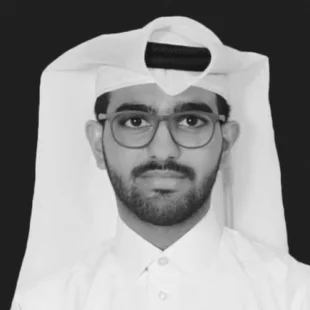
Oweis Al-Salahi
Global Advocacy Coordinator / Founder, SDGeneration Network, Qatar Fund for Development

Ola Alterå
Chief Executive, Swedish Climate Policy Council
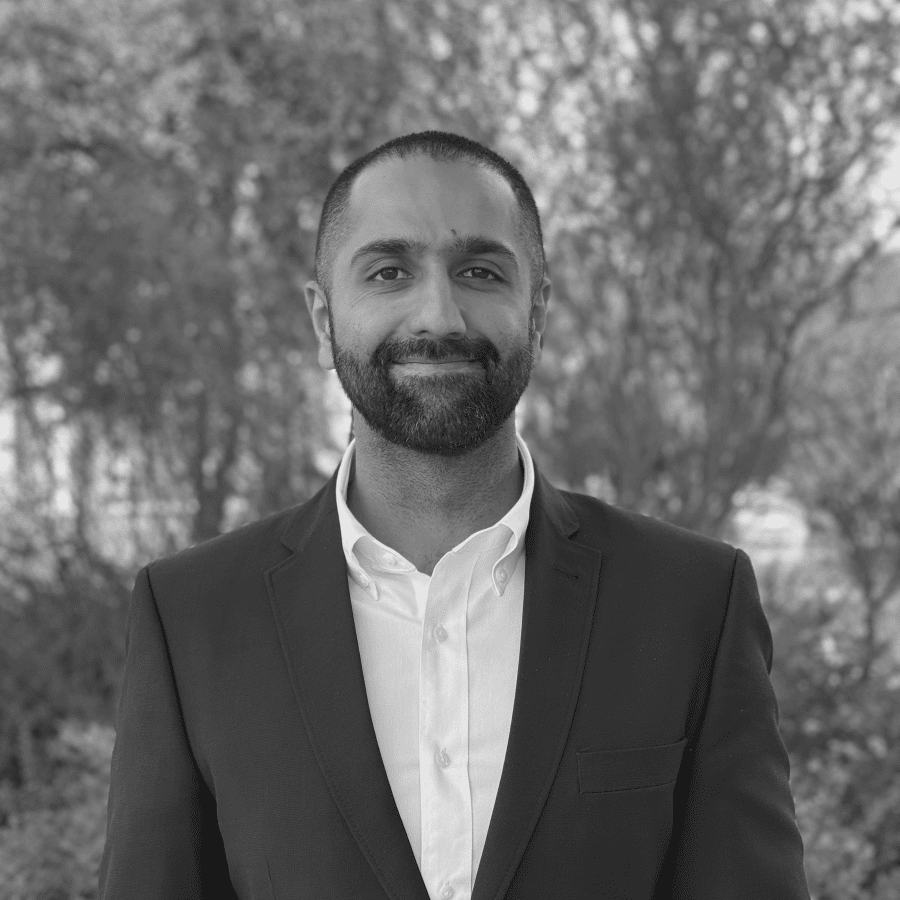
Talha Mirza
Program Manager, Earthna
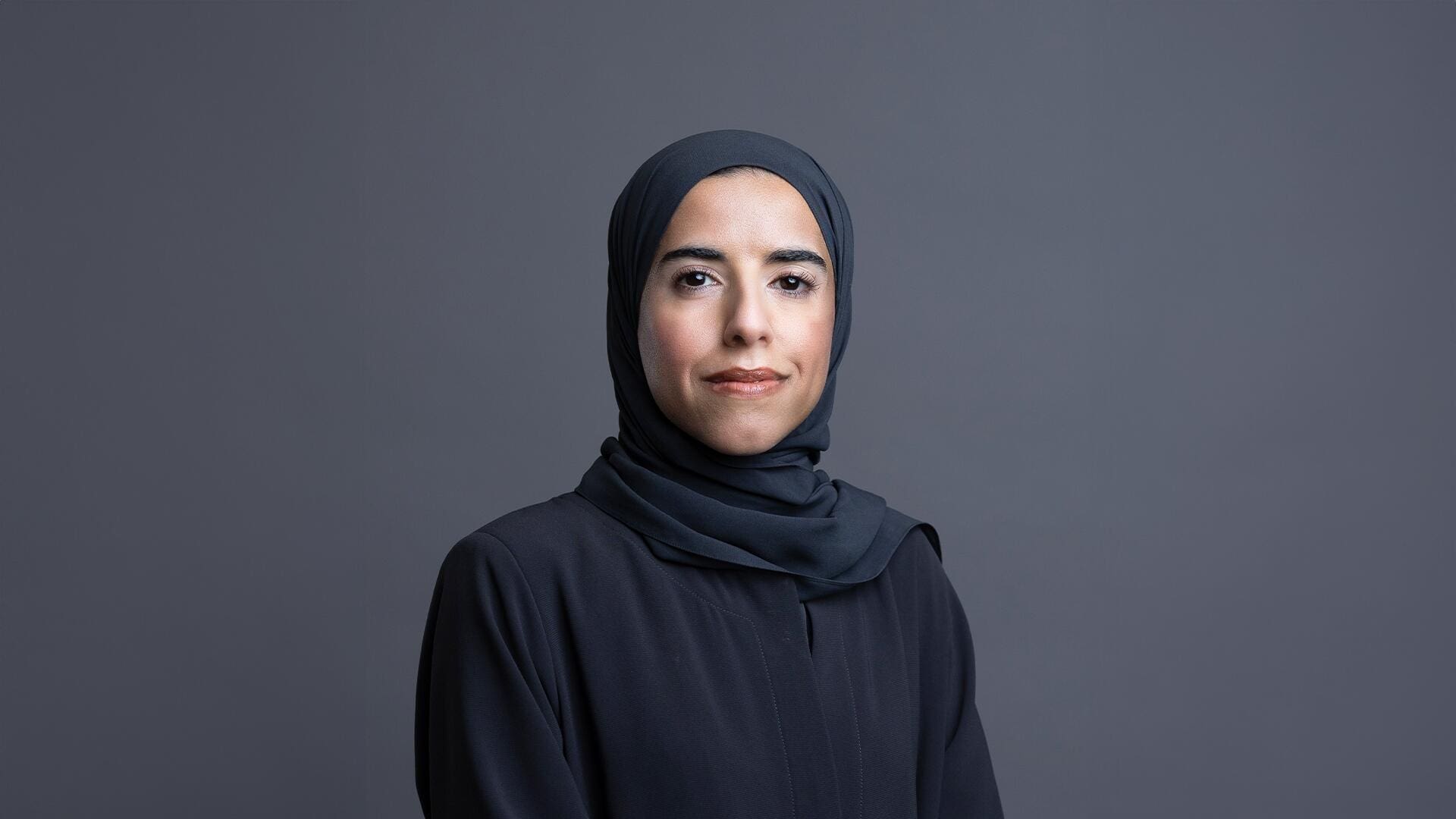
Dhabia Al-Mohannadi
Associate Professor, College of Science and Engineering, Hamad Bin Khalifa University
