
Reimagining Global Health Financing:
Prioritization and Integration in the Global South
October 15, 2025
Summary
Major reductions in development assistance are reshaping how countries fund and sustain essential health services such as immunization, maternal and child health, and primary care. This evolving landscape presents both a crisis and an opportunity: a crisis in terms of ensuring continuity and equity of care amid growing domestic needs, and an opportunity to reimagine how countries prioritize, optimize, and integrate their health systems.
To respond effectively, countries must navigate difficult trade-offs between constrained resources and the need to protect health outcomes. In response to these challenges, the Middle East Council on Global Affairs and the Gates Foundation, with the support of the Ministry of Foreign Affairs and Ministry of Education and Higher Education at the State of Qatar, and under the Doha Global South Health Policy Initiative, convened a high-level panel featuring leaders from across the Global South, Qatari institutions, and global partners to explore the future of health financing.
The panel examined key questions, including: How are countries reprioritizing health agendas and adapting delivery models in response to declining external aid? What innovations in service integration, financing mechanisms, or system optimization are enabling countries to deliver more with less? How can Global South countries sustain or even expand essential services in increasingly constrained fiscal environments? What role can new development actors, including Gulf donors and philanthropic organizations, play in shaping the future of global health financing? And what opportunities exist for greater Global South leadership and cross-country collaboration on long-term, sustainable health system reform?
Muyi Aina – Executive Director and CEO – National Primary Healthcare Development Agency- Nigeria
- The Nigerian government was facing financial challenges before the onset of the current global healthcare financial shortage. This resulted in a preparatory process that involved identifying priorities in the healthcare sector, and utilizing existing domestic and international partnerships to raise efficiency and build capacity.
- Main areas of focus that were targeted were maternal and newborn health, immunization and increasing the quality of primary healthcare services.
- The government is increasingly open to forging high-quality partnerships and engaging stakeholders with a proven track record, leveraging their strengths to address emerging needs while identifying new collaborators to fill remaining gaps and enhance collective impact.
- The Nigerian government’s three developmental pillars of education, healthcare and social welfare necessitates the health and education sectors working together. Geographically, areas where children are not given early childhood vaccines are the same areas that children drop out of school.
- Cooperation between health and education ministries is important to increase the training capacity and fill the gaps for the healthcare service provider shortage.
Magdalena Robert – Deputy Director, Program Advocacy and Communications, Bill & Melinda Gates Foundation
- The Gates Foundation is concerned with the public healthcare funding reduction due to its risk of derailment or halting the progress made. To address the restraints, Bill Gates has reaffirmed his commitment to healthcare sector funding.
- The importance of regional partnerships lies in their ability to build sustainable channels of funding and healthcare service distribution.
- To avoid dependency, the Foundation prioritizes country-led initiatives with national plans alignment, where funding dollars are spent on research and development to build capacity and navigate ways to reduce costs and increase efficiency.
- Special partnerships are formed in areas such as Polio with WHO, UNICEF, CDC and nations where projects have higher chances of success and accelerate progress.
- Investment in education is long term and takes time for results to show and it also risks derailing the progress when there is misalignment between global stakeholders and state-led goals.
H.E. Sheikha Haya Adbullrahman Al Thani – Deputy Director general of Planning Sector, Qatar Fund for Development
- Developmental funds and engagement should be done through states and national plans, in order not to forgo ownership and national agency.
- QFFD chooses its partners based on long-term cooperation with prioritization of state cooperation and the potential to develop education, healthcare and economic reform sectors. The partners lead on the projects, which is essential for building long-term capacity.
- Similarities between Gulf nations’ goals and approaches in healthcare development translates into better strategic alignments in developmental projects and higher complementary integration with the return on investment and human capital.
- Integration of partnerships in the healthcare and education sector elevates developmental goals.
Additional – Q&A
- The Q&A session emphasized the growing need for rethinking healthcare financing opportunities and strategies through specific budget increases according to the baseline and immediate needs and increasing the government’s capacity to raise funds independently.
- The current context and situation are the best time to establish a new global south healthcare order with countries’ governments at the center of owning, leading and financing healthcare initiatives.
- A modality of engagement with recipient nations that do not meet the funding requirements for QFFD, has been to expand their capacities and technical expertise so that they can reach a state where financial partnerships and cooperation are possible.
- Diaspora contribution is crucial yet difficult to navigate but can be utilized in systematic training and education programs which do not come at the expense of individuals.
- Bottom-up approaches ensure the sustainability and longevity of programs.
Opening Remarks
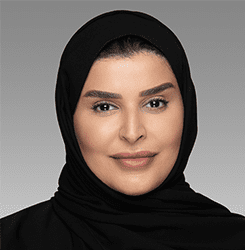
H.E. Dr. Maryam bint Ali bin Nasser Al Misnad
Minister of State for International Cooperation at the Ministry of Foreign Affairs
Moderator
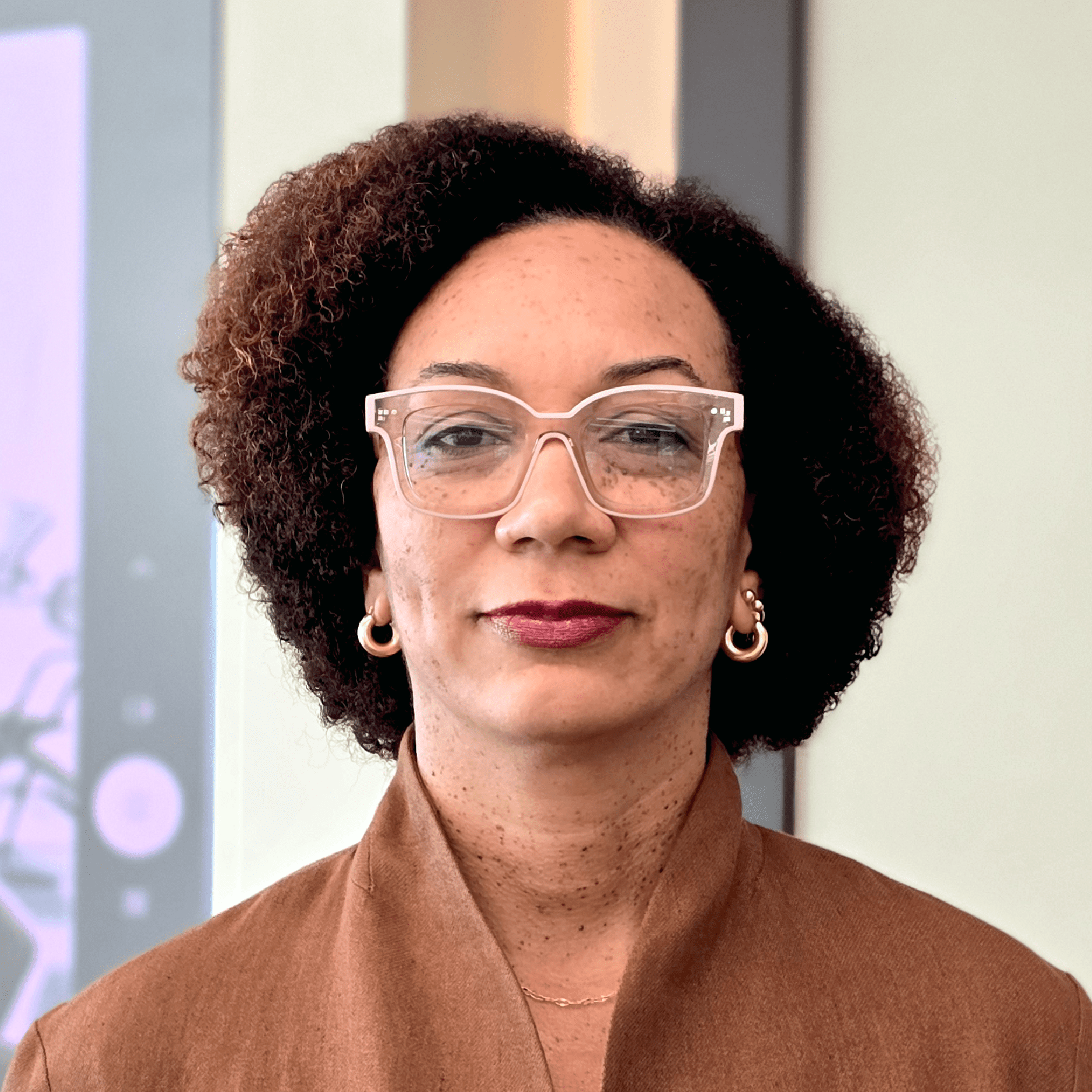
Lead, Doha Global South Health Policy Initiative
Speakers
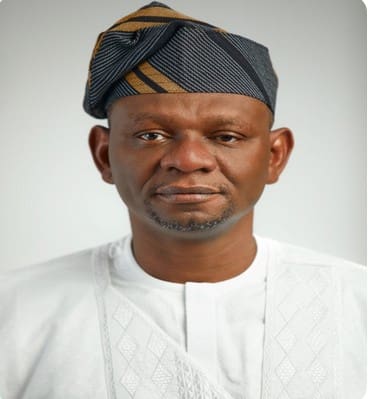
Muyi Aina
Executive Director and CEO – National Primary Healthcare Development Agency – Nigeria
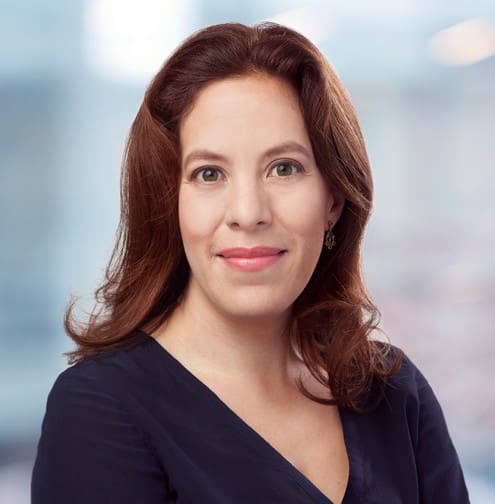
Magdalena Robert
Deputy Director, Program Advocacy and Communications, Bill & Melinda Gates Foundation