

Economies in Crisis: Rethinking Development Priorities in the Arab Region
September 8, 2026
Summary
Protracted conflicts and overlapping crises across the Arab region had consequences that extended far beyond physical destruction and economic decline, reshaping relationships among states, societies, and economies. Governments facing resource constraints had to make difficult choices among immediate relief and reconstruction; fiscal stability and social protection; and spending on security and infrastructure versus education, healthcare, and employment. These choices were inherently political: decisions about public budgets, debt, subsidies, energy, trade, reconstruction, and aid flows were shaped by power dynamics, institutional capacity, and the interests of domestic and external actors. At the same time, disruptions to maritime routes, energy and food markets, supply chains, investment, and financing forced countries across the region, not only those directly affected by conflict, to reconsider traditional development priorities. How resources were allocated, who determined these priorities, and who ultimately bore their costs had lasting implications for inequality, economic resilience, and the relationship between states and their citizens.
Against this backdrop, the Middle East Council on Global Affairs organized an online panel discussion to examine how conflict and prolonged crises were reshaping development priorities across the Arab region. Moving beyond viewing crises as simply a shortage of resources, the discussion considered how those resources were distributed, who determined their allocation, and how economic policy intersected with political influence, conflict, aid, and reconstruction. The panel addressed key questions: How did wars and crises reshape public spending and social policy priorities? How could relief and reconstruction efforts avoid creating new forms of economic dependency or entrenched institutional exceptions? What role did energy, food security, and trade routes play in redefining development and economic security? How could governments balance macroeconomic stability with equitable and inclusive growth? And what policies could help ensure that post-crisis development strengthened resilient and productive economies while giving affected communities a meaningful role in shaping their economic futures?
Moderator
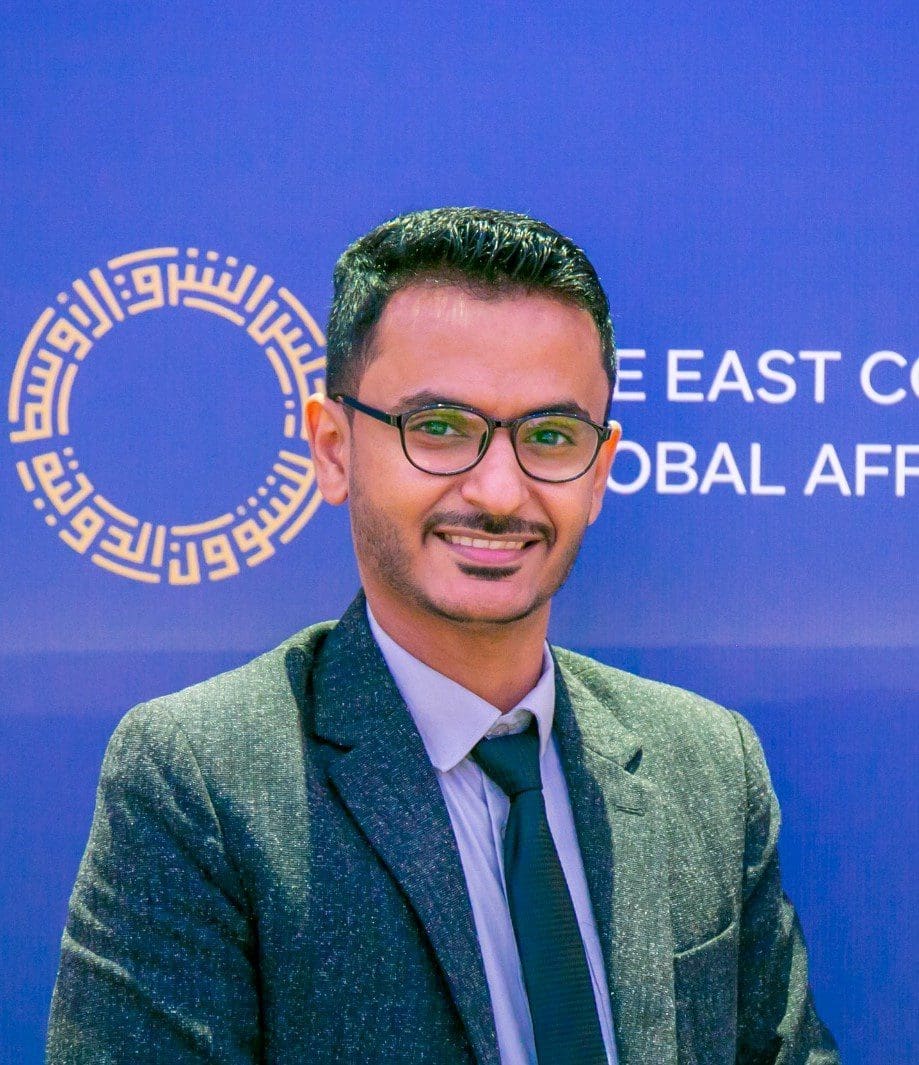
Visiting Fellow
Speakers
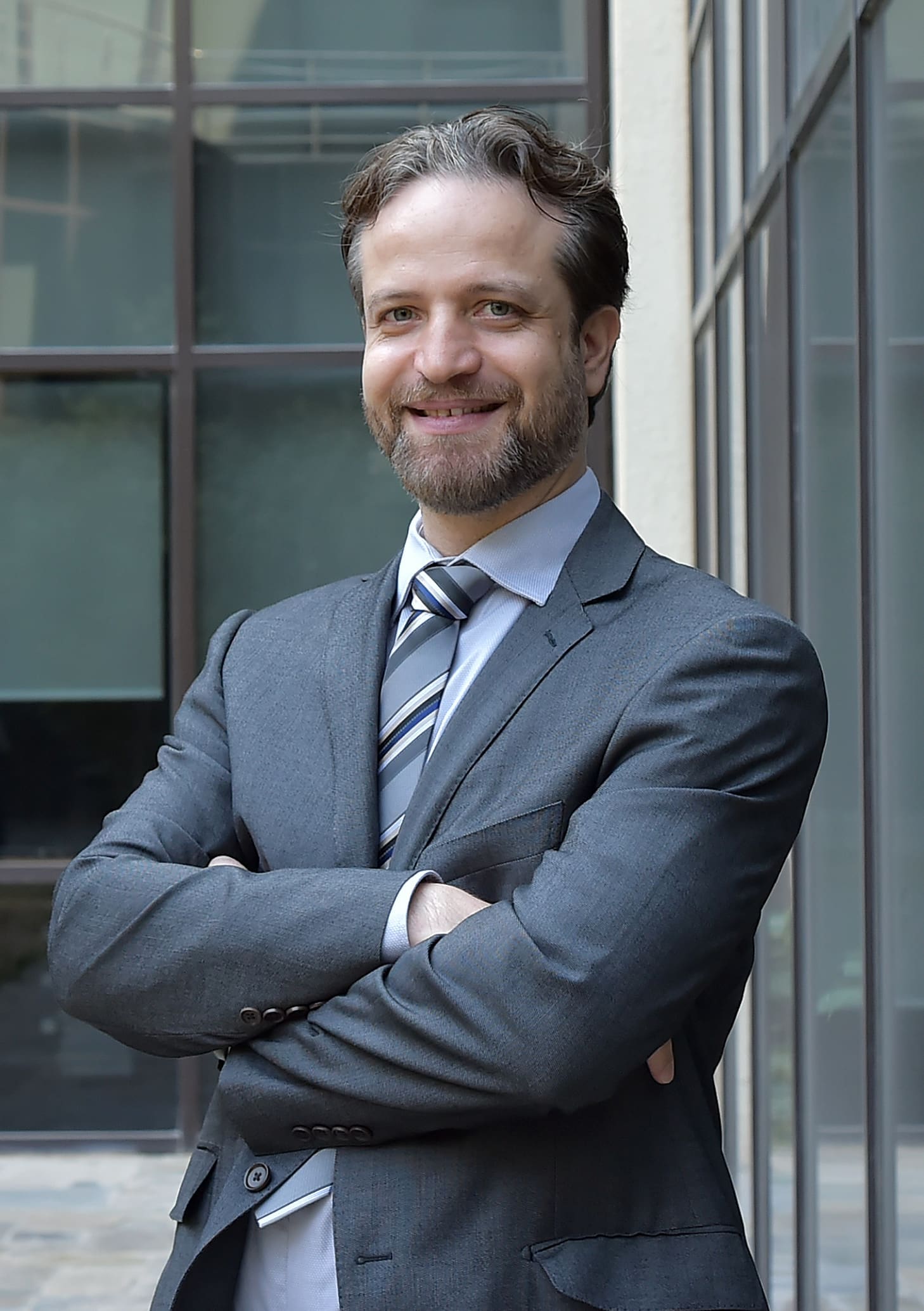
Jalal Qanas
Qatar University
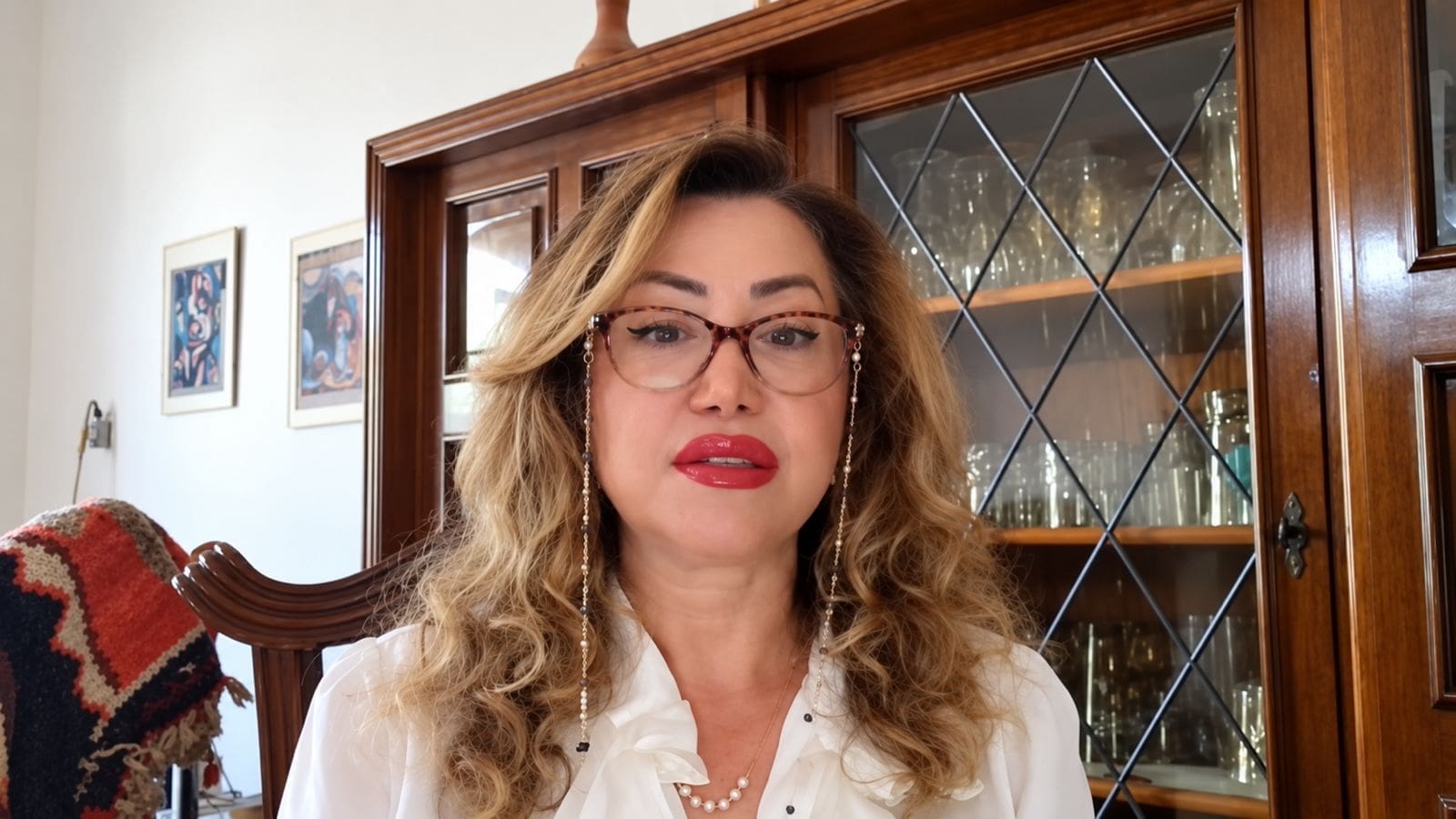
Shler Abdulkhaliq Zangana
Economist and Researcher on Geoeconomics and Regional Economic Competition in Syria
