

After American Primacy: Who Shapes the Next Middle East?
September 22, 2026
Summary
For more than three decades, the Middle East’s security architecture has rested heavily on US military preeminence and security guarantees to regional partners, alongside efforts to contain Iran and to bring Arab states and Israel into closer alignment. However, the wars in Gaza and Iran have placed unprecedented strain on this order and showed the growing limits of Washington’s ability to shape regional outcomes. Some analysts have gone further, arguing that the US-Israel-Iran war may mark the end of the post-1991 regional order built around American dominance. The ongoing war has also reinforced concerns about the security bargain that has underpinned Washington’s role in the region for decades. This comes as regional states pursue more autonomous security policies and develop new partnerships beyond traditional US-led frameworks.
Against this backdrop, the Middle East Council on Global Affairs (ME Council) is organizing a webinar to examine the future of the Middle East’s regional order and the changing role of the United States within it. The discussion will address key questions including: Has the U.S.-led regional order reached a genuine turning point, or can it still be restored? How has the US-Israel-Iran war affected regional perceptions of American power and the reliability of U.S. security guarantees? How has the war in Gaza and the unresolved Palestinian question affected efforts to integrate Israel into the regional order and advance closer Arab-Israeli security cooperation? How are Gulf states adapting their foreign and defense policies? Will regional states increasingly seek accommodation with Iran or build new security arrangements outside traditional U.S.-led frameworks? How will competition and coordination among the region’s middle powers such as Saudi Arabia, the UAE, Türkiye, Qatar, Egypt, and others shape emerging alignments? And will the erosion of the old system open the way for a more stable regional architecture or lead to greater fragmentation?
Moderator
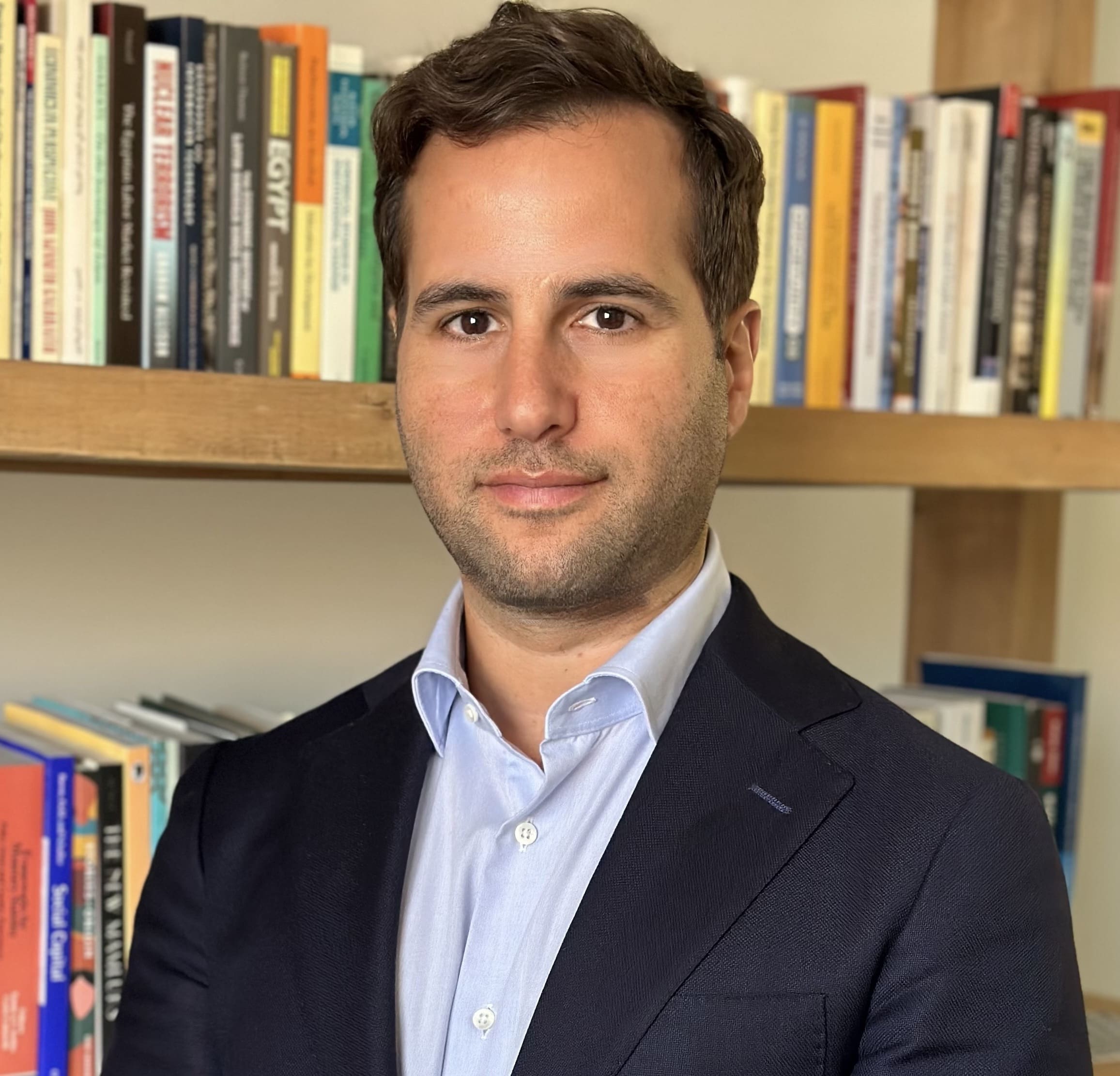
Fellow
Speakers

Khaled Elgindy
Senior Fellow, Quincy Institute

Marc Lynch
Professor, George Washington University
